Kenya Safaris Destinations
Aberdare National Park
⌖ Kenya Safaris
There is a version of Kenya that few travellers ever see; one of dripping forests, cascading rivers and moorland stretching to the sky. The Aberdare National Park is that Kenya, and it has been quietly waiting for you. The Aber...
Wildlife Viewing
Nature Walks
Birding
Cultural Experiences
About Aberdare National Park
There is a version of Kenya that few travellers ever see; one of dripping forests, cascading rivers and moorland stretching to the sky. The Aberdare National Park is that Kenya, and it has been quietly waiting for you. The Aberdare National Park covers the Aberdare Mountain Range of central Kenya and the Aberdare Salient to their east. Rhino Ark is a charity devoted to the protection of this critical habitat area. The park is located about 100 km north of Nairobi and stretches over a wide variety of terrains because it covers altitudes from about 7,000 feet (2,100 m) to 14,000 feet (4,300 m) above sea level. The park has eight official entry and exit gates, strategically positioned across three access regions. From the Nyeri and eastern side: the most common approach from Nairobi, visitors enter through the Treetops Gate near Mweiga, the Ark Gate about 28 km from Nyeri, the Ruhuruini Gate ideal for forest drives, the Kiandongoro Gate on the southeastern border close to the park's scenic waterfalls, or the Wandare Gate leading towards Lesatima Peak and the moorlands. The northern Nyahururu side is served by the Shamata Gate and the Rhino Gate, while the Naivasha and western approach offers access through the Mutubio West Gate, meaning whichever direction you travel from, the Aberdares are never far away.
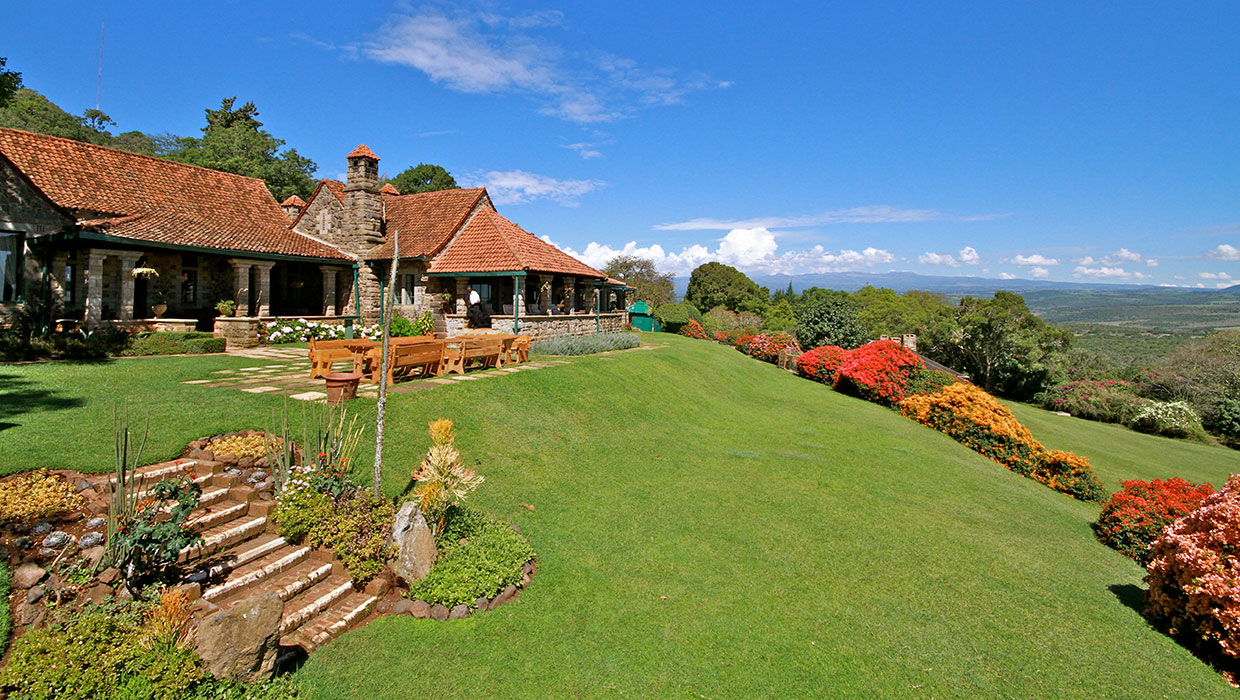
Established in May 1950, the Aberdare National Park covers 766 square kilometres and forms part of the Aberdare Mountain Range. The park's terrain is extraordinarily varied, from mountain peaks rising to 14,000 feet (4,300 m) above sea level, down through deep, v-shaped valleys cut by streams, rivers and waterfalls, to bamboo forests, ancient rainforest and open moorland at the lower altitudes. Few parks in Kenya pack this much ecological range into a single visit.
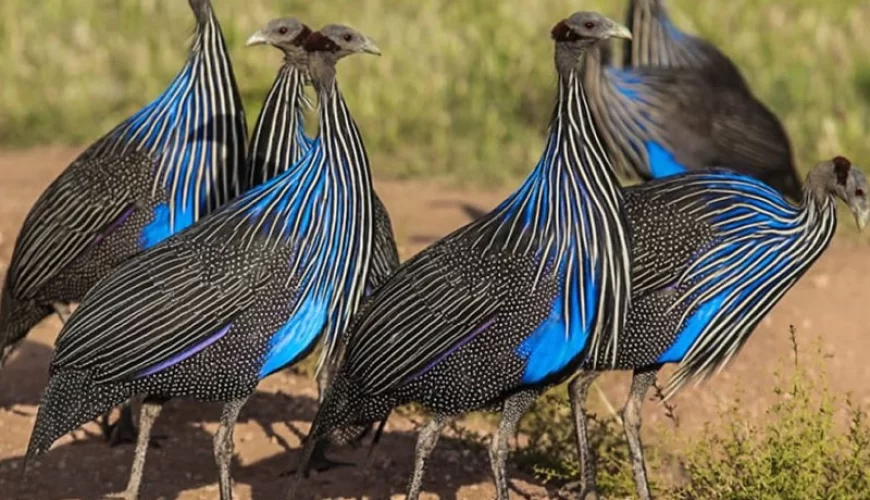
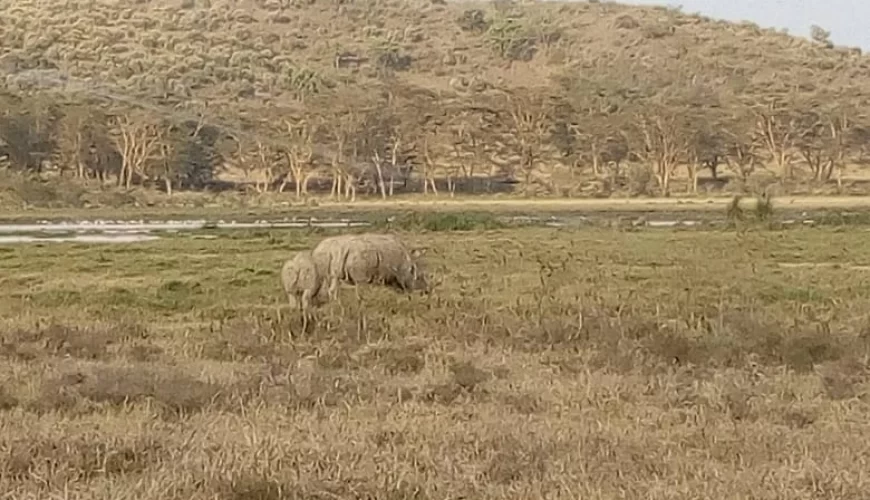
The wildlife here is just as diverse. Lions, Leopards, Baboons, black and white Colobus Monkeys and Sykes Monkeys are regularly encountered, while the moorlands higher up are home to Eland and both spotted and melanistic Serval Cats. Rarer sightings reward the patient visitor: the Golden Cat; the shy Bongo Antelope moving quietly through the bamboo, and the black Rhino, of which the Aberdare holds one of Kenya's significant populations. With over 250 bird species recorded in the park; including the endangered Aberdare Cisticola, Jackson's Francolin, Sparrowhawks, Goshawks, Eagles, Sunbirds and Plovers, birding alone makes the trip worthwhile.
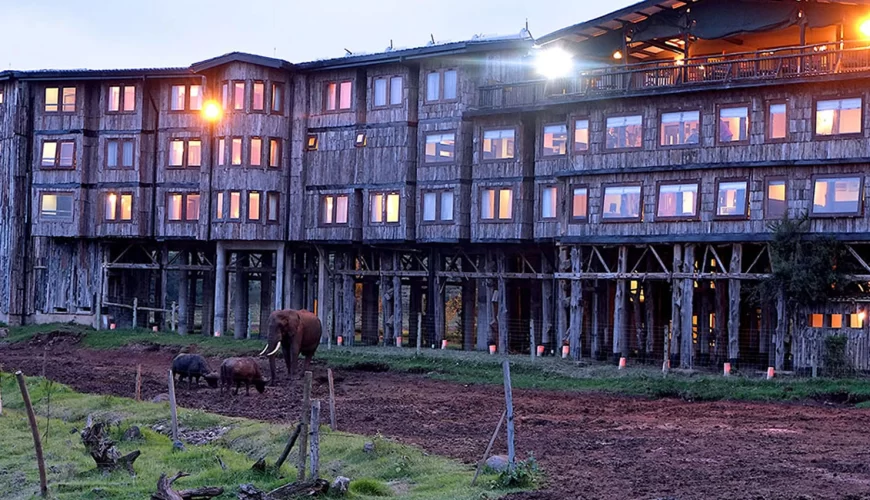
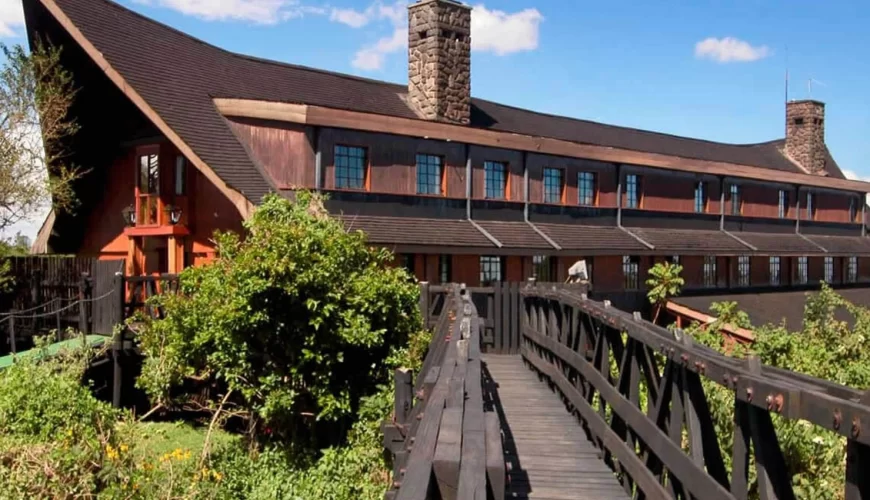
Beyond wildlife, the Aberdares carry deep cultural significance. The Kikuyu people have long regarded the mountain range as one of the homes of Ngai (their name for God), lending the landscape a spiritual weight that is easy to feel when mist settles over the peaks at dusk. Visitors can explore the park on foot at designated sites, enjoy picnics at any of the five picnic sites, fish for trout in the rivers, or camp overnight in the moorlands. For accommodation, the choices range from: the world-famous Treetops tree-house lodge where, in February 1952, a young Princess Elizabeth went to sleep as a princess and woke as Queen, upon learning of her father King George VI's passing; to the Ark, built in the shape of Noah's Ark; along with three self-help banda sites; eight special campsites; and a public campsite in the moorland. Both Treetops and the Ark are especially renowned for their nighttime wildlife viewing, where Elephants, Buffaloes, Lions and Rhinos gather at floodlit waterholes after dark.
The park is open daily from 6:00 am to 7:00 pm, and entry on foot within the main park is prohibited. Visitors arriving after 6:15 pm will be turned away, so early planning is advised. For those flying in, the park is served by two airstrips at Mweiga and Nyeri, making it easily accessible from Nairobi and other parts of Kenya.
Best Time To Visit
The Aberdare National Park can be visited year-round, but the experience changes significantly with the seasons. The two dry seasons: January to February; and July to October, are generally considered the best times to visit. Vegetation is less dense during these months, wildlife is easier to spot as animals congregate around water sources, and the highland tracks and forest roads are far more navigable. The long dry season from July to October is particularly popular, coinciding with Kenya's peak safari season across the country.
The park has two rainy seasons: the long rains from March to May; and the short rains from November to December. While the park remains open and visitable during these periods, the highland roads can become muddy and low cloud can reduce visibility on the moorlands and peaks. That said, the rains bring the Aberdares to life in their own way, the waterfalls are at their most thunderous, the forests are an impossibly deep green, and the park sees far fewer visitors, making it a rewarding experience for those who don't mind getting a little wet.
For birdwatchers, the wet season months are actually ideal, as migratory species swell the park's already impressive count of over 250 recorded bird species. Whatever the season, mornings are the best time of the day for game drives, while evenings at Treetops or the Ark offer the park's signature spectacle - wildlife gathering at the waterholes as darkness falls over the highlands.
Activities
Enjoy game drives through forest and moorland, guided walks to spectacular waterfalls, and ranger-escorted forest trails. The Park's rivers offer excellent trout fly-fishing, while its diverse habitats make it one of Kenya's top birding destinations with over 250 recorded species. Overnight guests at Treetops and the Ark can watch wildlife at floodlit waterholes after dark, and those seeking a wilder stay can camp in the moorlands or relax at any of the park's five picnic sites.
Safaris in Aberdare National Park
17 Days · 16 Nights
17 Days once in a life time Kenya & Tanzania
Kenya Safaris, Tanzania Safaris
From USD 8,441
View Safari →
Hotels in Aberdare National Park