Item 19 Destinations
Masai Mara National Reserve
⌖ Item 19
Millions of hooves thunder across the savannah, Crocodiles wait in the murky Mara River, and Lions rule the plains. Welcome to the Masai Mara, where nature performs its greatest show on earth. The Masai Mara National Reserve (M...
About Masai Mara National Reserve
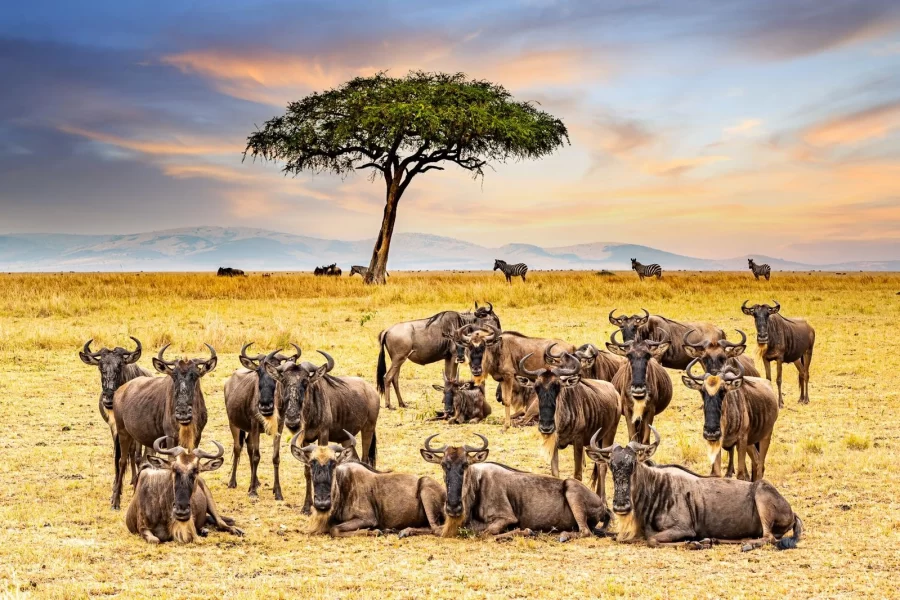
Millions of hooves thunder across the savannah, Crocodiles wait in the murky Mara River, and Lions rule the plains. Welcome to the Masai Mara, where nature performs its greatest show on earth. The Masai Mara National Reserve (MMNR) is a large reserve in south-western Kenya, which is effectively the northern continuation of the Serengeti National Park in Tanzania. Named for the Maasai people (the traditional inhabitants of the area) and the Mara River which divides it, it is famous for its exceptional population of game and the annual migration of Zebras, Thomson's Gazelles and the Wildebeests from the Serengeti National Park every year from July to October, a migration so immense it is called the Great Migration.
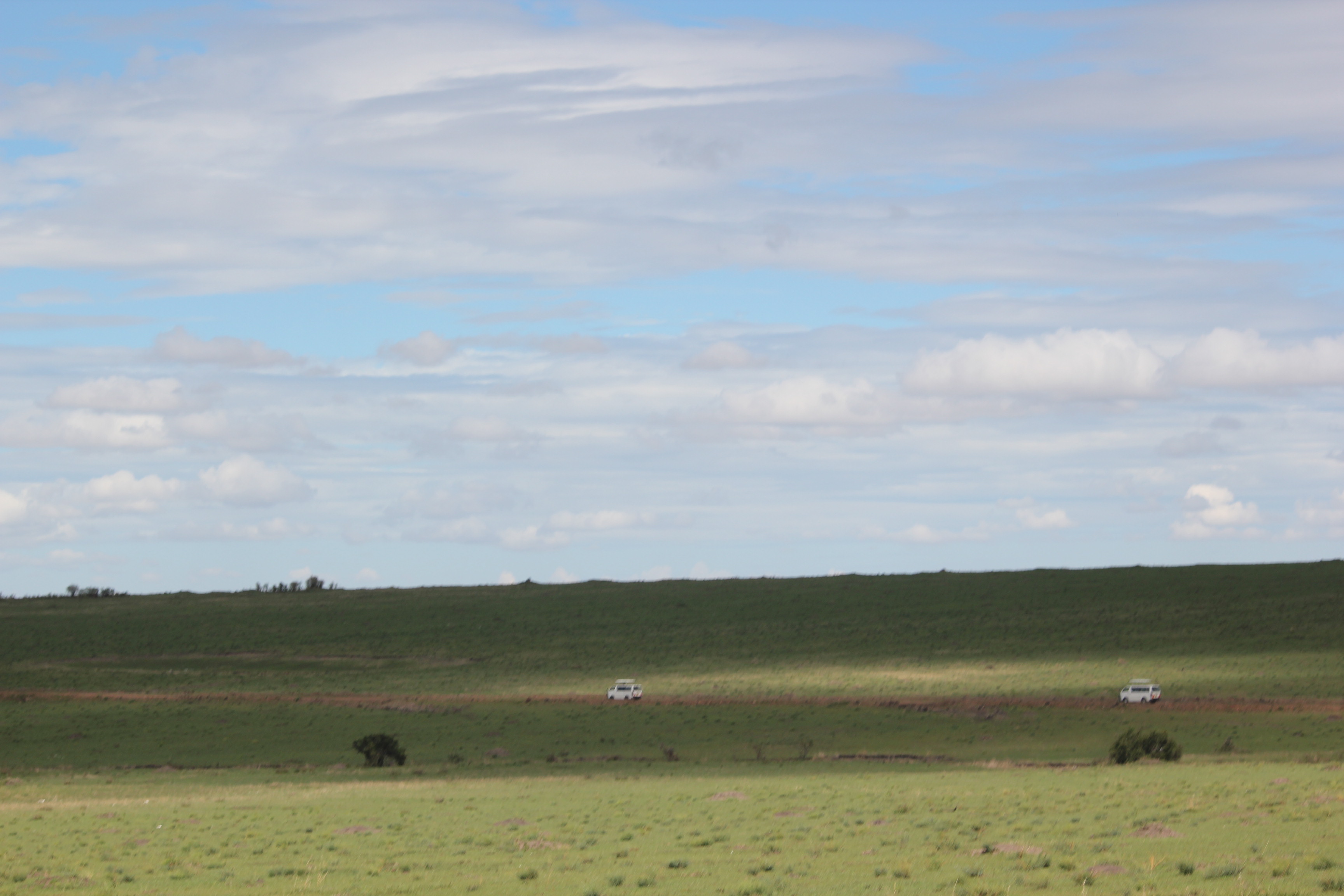
Spanning 1,510 km² and sitting at an altitude of 1,500-2,170 metres above sea level, the Masai Mara forms the northernmost section of the greater Mara-Serengeti ecosystem, a continuous 25,000 km² wilderness and one of the most biodiverse landscapes on the planet. The reserve is bounded by the Esoit Oloololo Escarpment of the Rift Valley to the west and vast Maasai pastoral ranches to the north and east. The Sand, Talek and Mara rivers flow through the reserve's interior; with their tree-lined banks and surrounding shrubland, creating the distinctive contrast of forest and open grassland that defines the Mara's iconic savannah landscape.
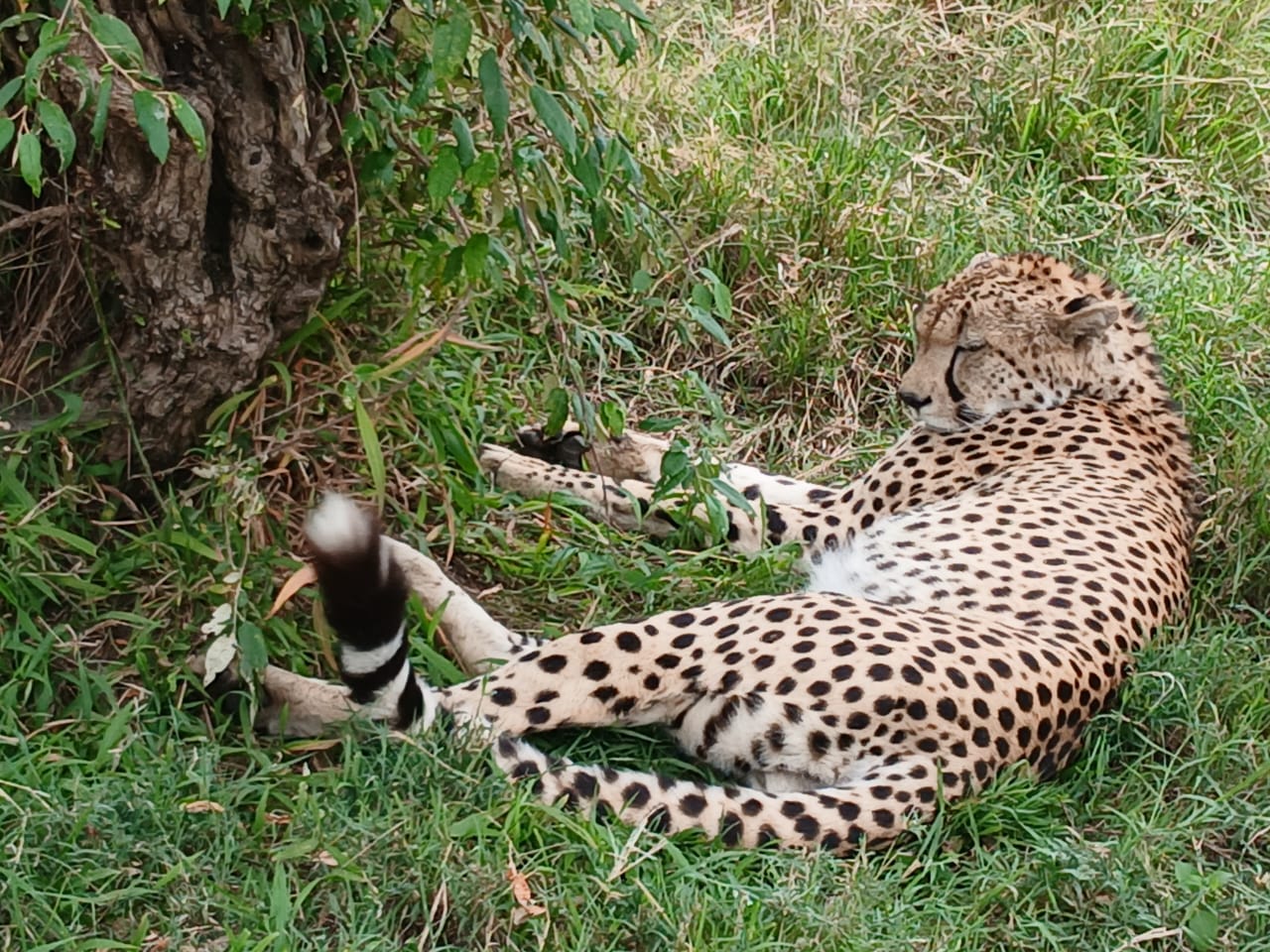
The Masai Mara is one of the few places on earth where all members of the Big Five; Lion, Leopard, Elephant, Buffalo and Black Rhino, roam freely across open grassland, making every game drive a genuine encounter with Africa's most iconic animals. The reserve is particularly celebrated for its extraordinary Lion and Cheetah populations, concentrated on the open plains between the Mara River and the Oloololo Escarpment, terrain so rich in predator activity that the BBC chose it as the filming location for the world-famous Big Cat Diary series. Beyond the big cats, the Mara supports Masai Giraffe, large herds of Zebra, Topi, Coke's Hartebeest, Impala, Grant's and Thomson's Gazelle, Hippo in the Mara and Talek rivers, the rare Roan Antelope, Bat-eared Fox, and over 500 recorded bird species including Vultures, Secretary Birds, Crowned Cranes, Hornbills, Marabou Storks, Long-crested Eagles and African Pygmy Falcons.
Every year between July and October, the Masai Mara becomes the stage for the greatest wildlife spectacle on earth: the Great Migration, in which over 1.5 million Wildebeest and hundreds of thousands of Zebras and Gazelles pour northward from the Serengeti National Park into the Mara in search of fresh pasture. The defining moment of the migration is the Mara River crossing, where thousands of animals plunging into crocodile-filled waters in a chaotic, thunderous mass that is simultaneously terrifying and breathtaking, and unlike anything else nature produces anywhere on the planet. From November onwards the herds turn south again, completing their ancient circular route, though resident populations of Wildebeests, Zebras and Gazelles remain in the Mara year-round, ensuring outstanding wildlife viewing in every season.
The Masai Mara Reserve is administered by the Narok County Government across two management sectors; the Narok Sector under the County Government directly, and the Mara Triangle Sector managed by the Mara Conservancy Ltd, with active anti-poaching units, road maintenance teams and wildlife monitoring programmes operating across both. The wider Greater Mara Ecosystem encompasses 23 community conservancies surrounding the reserve, all playing a critical role in protecting wildlife corridors, reducing human-wildlife conflict and ensuring the Mara's long-term survival. When you visit the Masai Mara with Diwaka Safaris, your safari directly supports the communities and conservation efforts that keep this extraordinary ecosystem alive.
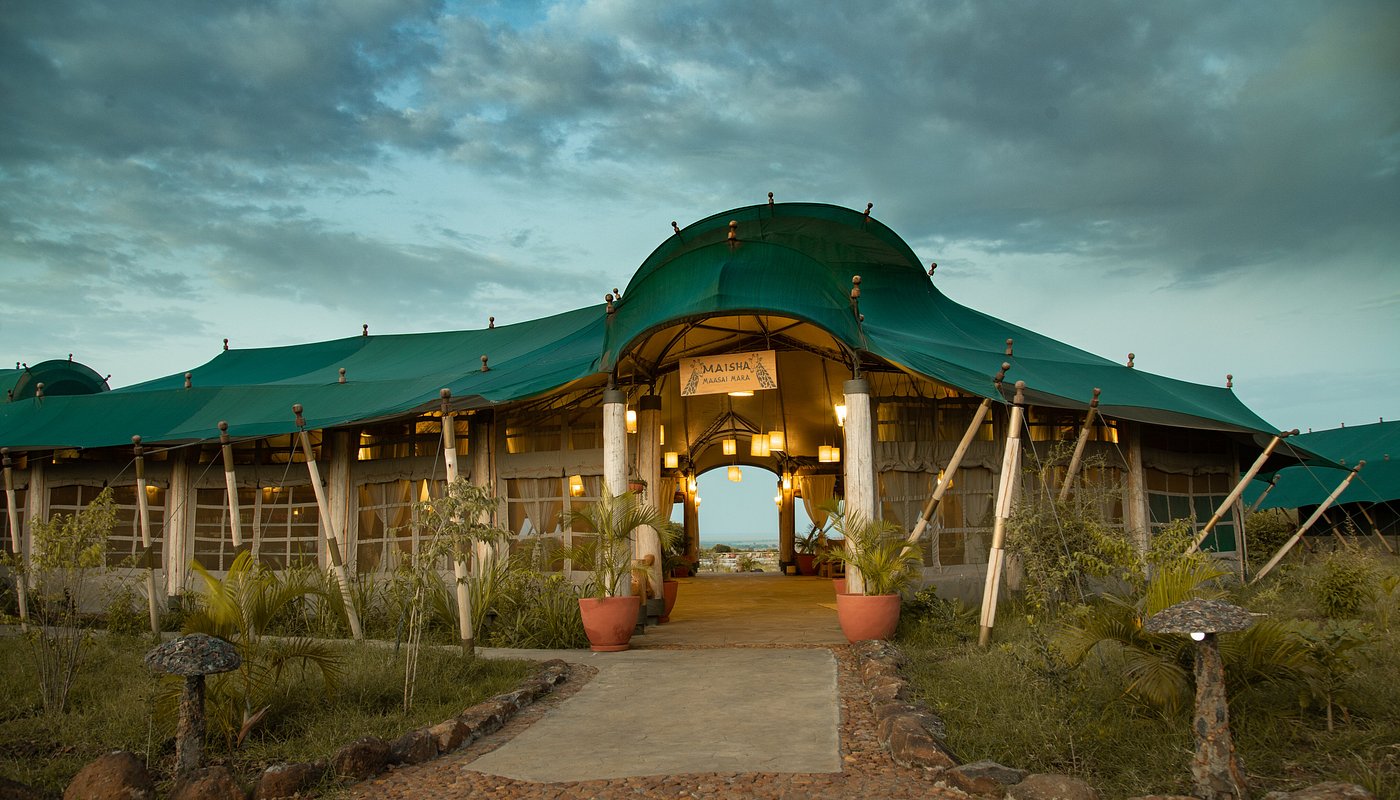
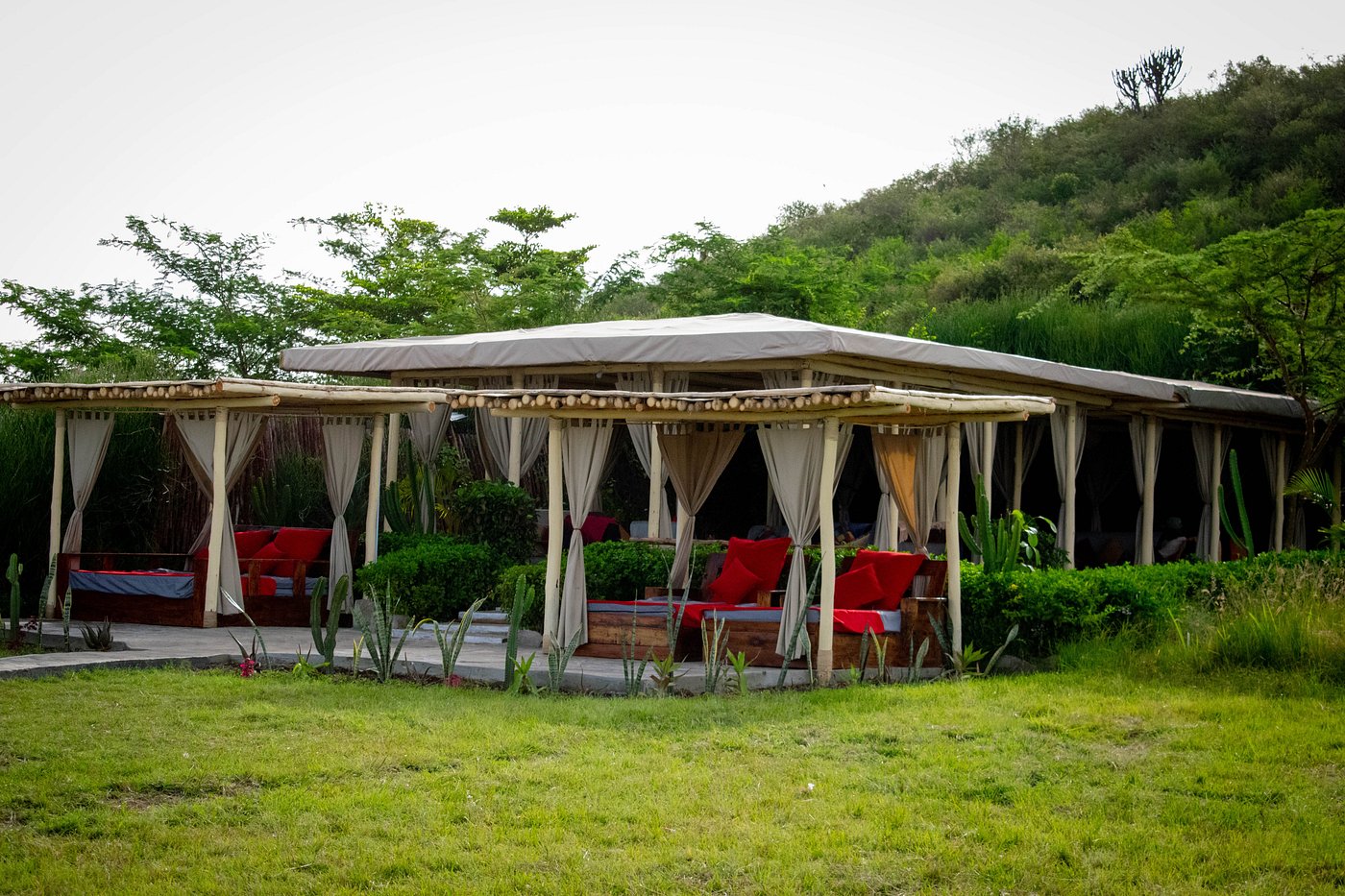
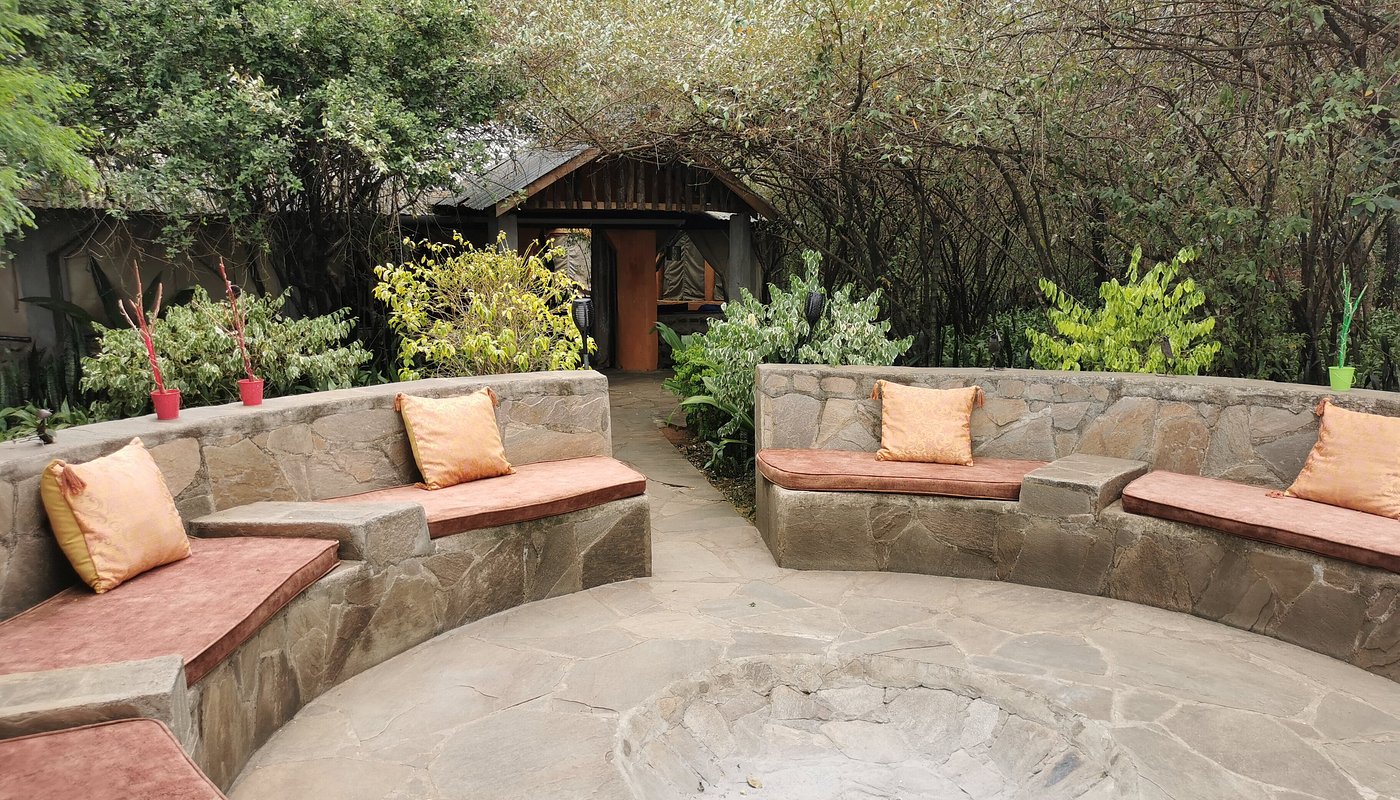
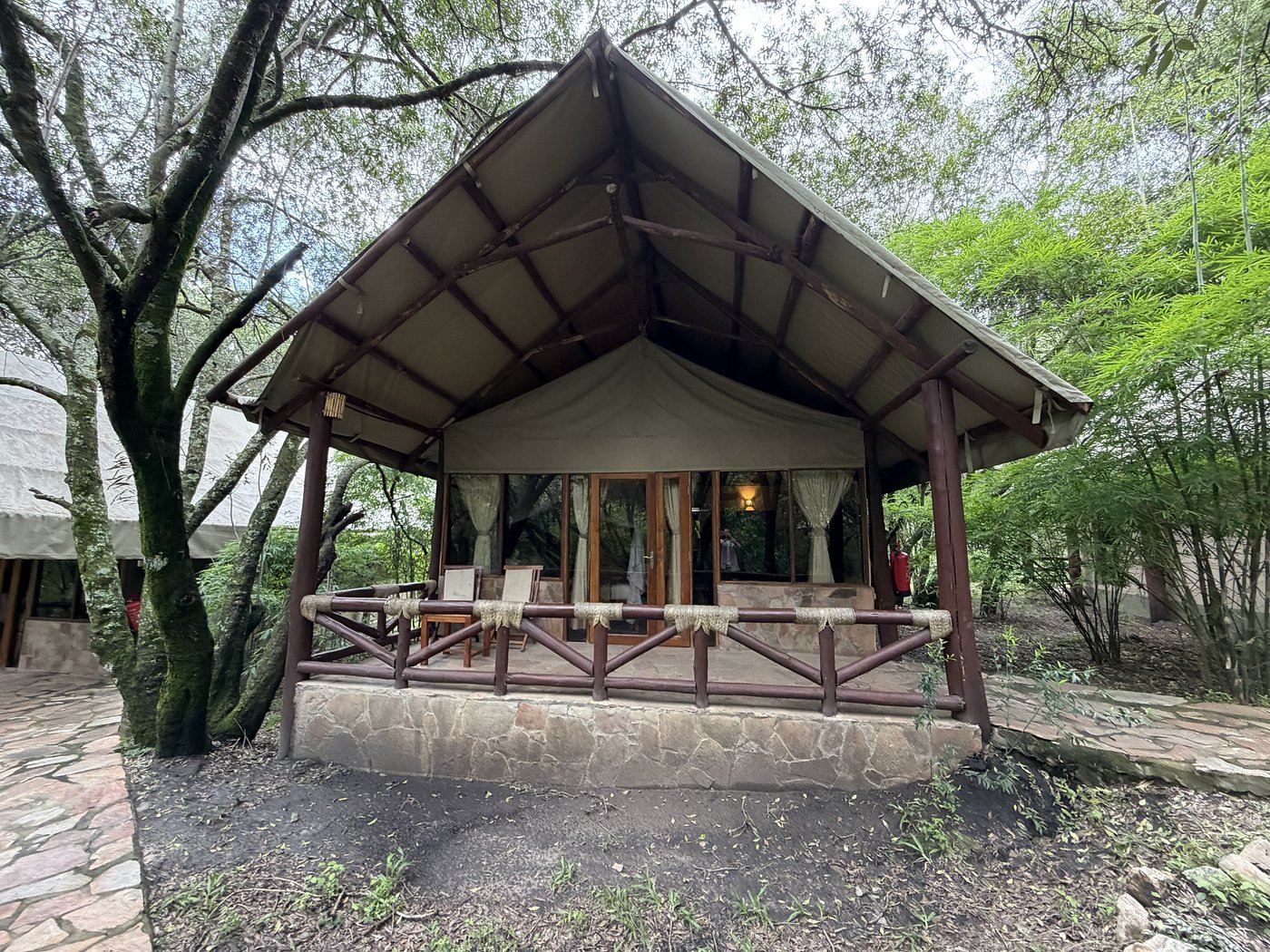
The national reserve is easily accessible by road, approximately 5 hours from Nairobi via Narok, or by air, with scheduled and charter flights from Wilson Airport taking just 45 minutes, served by a network of 11 airstrips strategically located across the reserve and surrounding conservancies including Mara Serena, Musiara, Keekorok, Ol Kiombo and Kichwa Tembo. A wide range of accommodation options are available inside the reserve and surrounding conservancies, from classic tented camps to luxury lodges, catering to every style and budget. Browse our handpicked Masai Mara safari packages to find the perfect experience for you.
Best Time To Visit
The Masai Mara is a rewarding year-round destination, with two peak periods offering distinctly different experiences: the Long Dry Season (June–October) delivers the best general wildlife viewing and the spectacular Great Migration river crossings; while the Short Dry Season (January–February) offers excellent predator action, clear skies and warm weather with significantly fewer visitors. The two green seasons: Long Rains (March–May); and Short Rains (November–December), transform the Mara into a lush landscape where migratory birds arrive in their thousands, photography conditions are at their most atmospheric, and game viewing remains excellent at a fraction of the peak-season cost. For first-time visitors, July to October is the most reliable and rewarding window, offering the guaranteed spectacle of the Great Migration alongside the Mara's exceptional resident wildlife, all under the wide, golden East African skies.
Activities
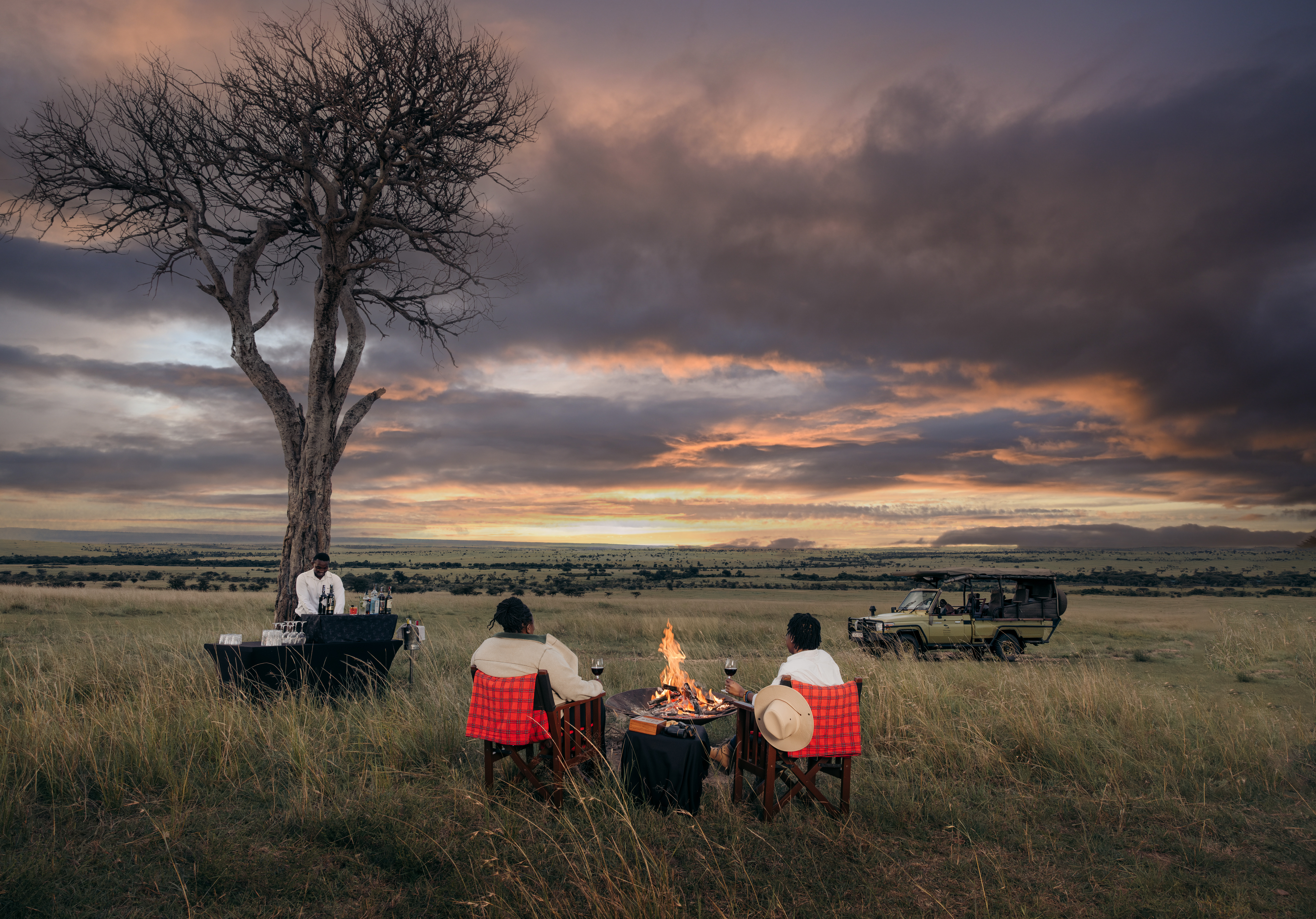
Game drives at dawn and dusk, guided bush walks, Maasai cultural village visits and dedicated photography safaris. Watch the Great Migration river crossing from the banks of the Mara, read lion and cheetah tracks on a guided bush walk in the private conservancies, or float silently above the endless savannah in a hot air balloon as the sun rises over the plains.
Safaris in Masai Mara National Reserve
Hotels in Masai Mara National Reserve