The Ultimate African Safari Bucket List: 25 Experiences Every Traveler Should Have
A safari bucket list should not be a random list of famous parks.
The best safari experiences are the moments that stay with travelers long after the journey ends: the first sunrise game drive, the stillness of a rainforest trek, the sound of water moving through a delta, the glow of a sundowner, or the quiet pause when a guide points out fresh tracks in the dust.
Africa offers many ways to experience the wild. Some are dramatic, like watching wildlife move across the Serengeti ecosystem. Others are quiet, like sitting beside a campfire after dark or drifting through a delta channel by mokoro. Some are perfect for first-time travelers, while others are better suited to returning safari guests who want something slower, deeper, or more remote.
At Diwaka Safaris, we believe a good bucket list should help travelers choose experiences with purpose. It should not push every traveler toward the same route. A family, a honeymoon couple, a photographer, and an adventure traveler may all dream of Africa, but the right safari moments for each of them will look different.
This guide brings together 25 unforgettable African safari experiences to help you decide what belongs on your own journey.

1. Watch Sunrise in Maasai Mara
There are few safari moments more memorable than an early morning game drive in the Maasai Mara.
Before sunrise, the reserve feels completely different. The air is cool, the grass may still carry traces of morning dew, and wildlife slowly begins to emerge from the darkness. Lions often remain active before temperatures rise. Hyenas may return from night movement, while giraffes and elephants move quietly across the plains in soft morning light.
For photographers, sunrise is one of the best times to explore the Mara because the light is softer, shadows are longer, and wildlife activity can be stronger than during the heat of the day.
Travelers planning a Kenya safari often include Masai Mara Game Reserve because it delivers the classic open-savannah safari experience many people imagine before their first trip to Africa.
Diwaka Safaris planning tip: if photography is important, request early departures and consider a private vehicle. It gives you more time at sightings and more flexibility with angles, light, and positioning.

2. Experience Wildlife Movement Across the Serengeti Ecosystem
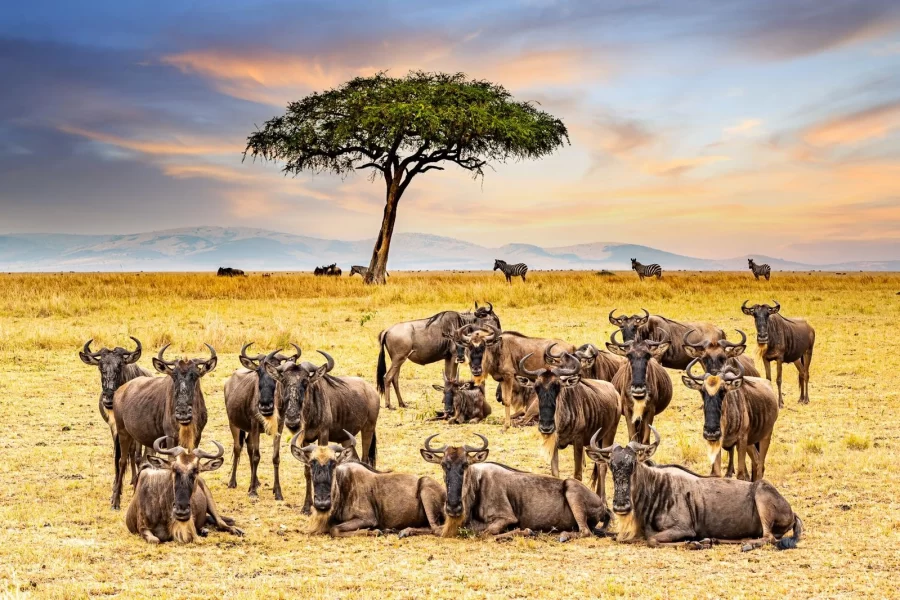
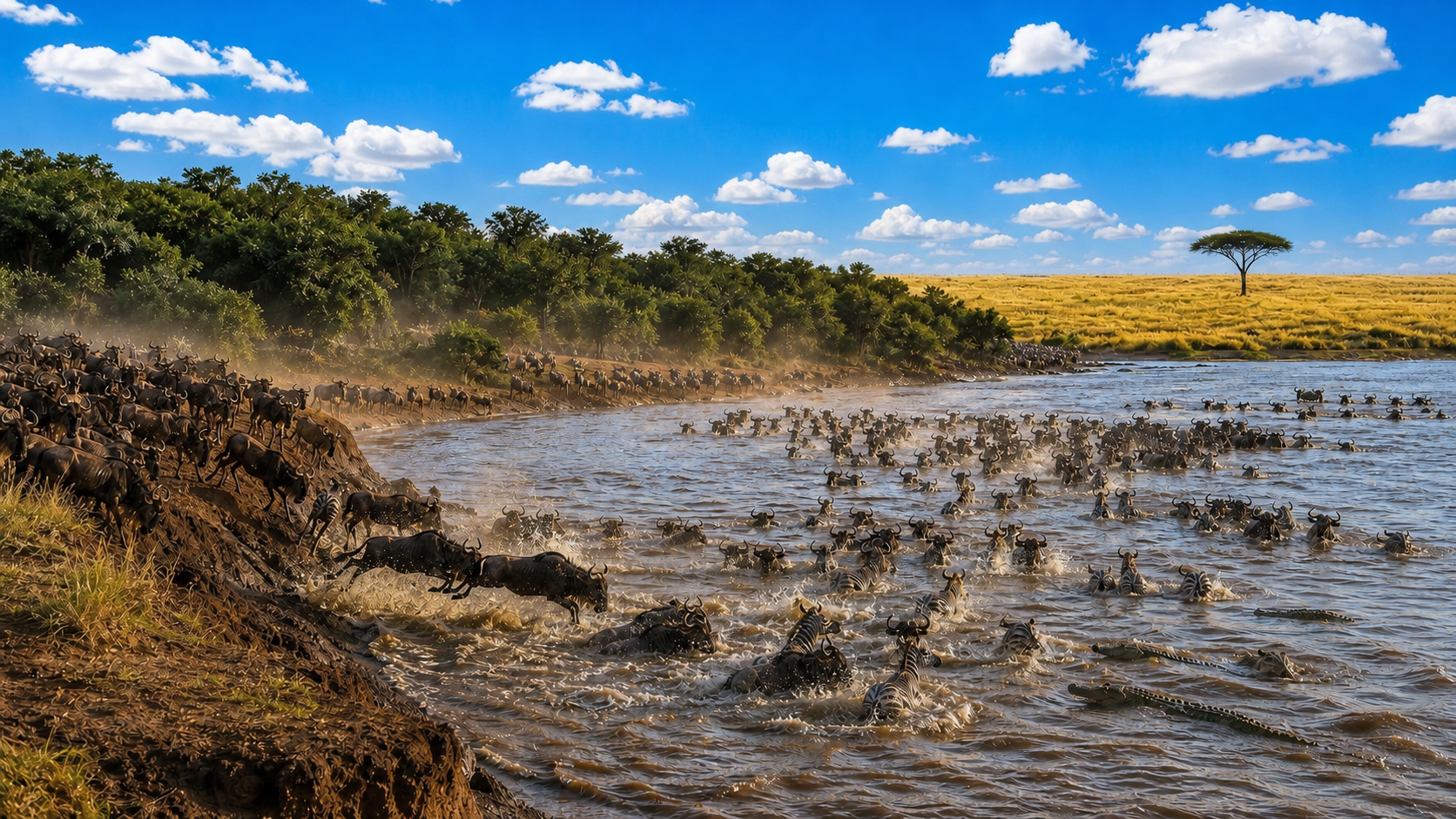
One of Africa’s most remarkable safari experiences is watching wildlife movement across the Serengeti ecosystem.
Many travelers focus only on dramatic river crossings, but the Serengeti story is much bigger. Wildlife movement changes throughout the year depending on rainfall, grazing, and seasonal patterns. During some months, large herds spread across the southern Serengeti grasslands during calving season. At other times, wildlife concentrates farther north near river systems.
Tanzania National Parks describes Serengeti National Park as a world-renowned wildlife area and sanctuary for the annual mammal migration. UNESCO also describes the annual movement of wildebeest, gazelles, zebras, and their predators as one of the world’s most impressive natural events.
Travelers exploring a Tanzania safari often combine Serengeti with Ngorongoro Crater, Tarangire National Park, and Lake Manyara National Park for a richer Northern Circuit safari.
Diwaka Safaris planning tip: do not plan a Serengeti safari around one exact wildlife moment. Migration movement is natural, not scheduled. The best approach is to choose the right region for your travel month and allow enough nights in the park.

3. Stay in a Tented Safari Camp Where the Wilderness Feels Close
A tented safari camp is one of the most atmospheric ways to experience Africa.
The appeal is not only comfort. It is the feeling of being close to the landscape. You may hear birds at dawn, distant calls after dark, wind moving through the canvas, or guides preparing vehicles before the first game drive.
The best camps create a balance between wilderness and ease. They allow travelers to feel immersed in nature while still enjoying warm hospitality, thoughtful meals, good guiding, and a peaceful place to rest between activities.
This experience works beautifully for honeymooners, photographers, and travelers who want their accommodation to feel like part of the safari rather than just a place to sleep.
Diwaka Safaris planning tip: when choosing a camp for a bucket-list safari, focus on atmosphere and location. The right camp can shape the emotional rhythm of the entire journey.

4. Trek Mountain Gorillas in Uganda or Rwanda
Gorilla trekking is unlike any other wildlife experience in Africa.
The day usually begins early as small trekking groups enter rainforest terrain with experienced guides and trackers. The trek can be physically demanding depending on weather, altitude, and gorilla movement, but the moment travelers encounter a gorilla family in the forest, the experience becomes quiet, powerful, and deeply personal.
Watching mountain gorillas interact naturally is not like a standard game drive. The forest slows everything down. Travelers notice small details: the sound of leaves, the calm presence of a silverback, the curiosity of younger gorillas, and the patience of the guides.
In Uganda, travelers often include Bwindi Impenetrable Forest or Mgahinga National Park. In Rwanda, Volcanoes National Park is the main gorilla trekking destination. Visit Rwanda describes gorilla tracking in Rwanda as safe and relatively accessible, with Volcanoes National Park forming part of the mountain gorilla range shared by Rwanda, Uganda, and the Democratic Republic of Congo.
Travelers planning an Uganda safari can combine gorilla trekking with Queen Elizabeth National Park, Kibale National Park, or Murchison Falls National Park. Rwanda travelers can combine Volcanoes with Kigali, Nyungwe National Park, and Akagera National Park.
Diwaka Safaris planning tip: gorilla permits should be planned early, especially during popular travel months. Good footwear, lightweight rain protection, and realistic fitness expectations are important.

5. Explore Botswana’s Okavango Delta by Mokoro
Botswana offers a very different safari atmosphere from the open plains of East Africa.
In the Okavango Delta, much of the experience revolves around water, channels, floodplains, islands, reeds, birdlife, and slow movement through the landscape. A mokoro safari, traditionally taken in a dugout-style canoe, allows travelers to move quietly through delta channels while observing the wilderness from a low, peaceful perspective.
Botswana Tourism describes the Okavango Delta as a place for game viewing, birdwatching, boating, and traditional mokoro experiences, with remarkable diversity of mammals, birds, fish, reptiles, and plants.
A mokoro safari is not about racing from sighting to sighting. It is about slowing down. You may notice tiny reed frogs, water lilies, bird calls, elephants crossing waterways, or antelope moving across floodplains.
Diwaka Safaris planning tip: mokoro safaris are best paired with game drives or boat safaris so travelers experience both the quiet detail of the delta and the broader wildlife-viewing opportunities.
6. Photograph Elephants Beneath Mount Kilimanjaro
Amboseli is one of Africa’s most recognizable safari landscapes.
Large elephant herds move across open plains while Mount Kilimanjaro rises in the background during clear weather conditions. For photographers, this combination of elephants, dust, mountain views, and golden light creates one of the most iconic safari scenes in Africa.
Kenya Wildlife Service describes Amboseli National Park as home to large numbers of African elephants and a prime destination for photographers and wildlife enthusiasts.
Amboseli is especially rewarding in the early morning before clouds gather around Kilimanjaro. It also works well as part of a Kenya itinerary that includes Masai Mara, Lake Nakuru, Tsavo East, or Tsavo West.
Diwaka Safaris planning tip: if Kilimanjaro photography is important, plan for early starts and allow more than one chance. Mountain views depend on weather and cloud cover.

7. End the Journey With a Beach Escape
After several days of early mornings, game drives, dust, and wildlife excitement, a beach escape gives the journey a slower ending.
This is one of the most satisfying ways to complete a safari. Travelers can spend the first part of the trip exploring parks and reserves, then finish with quiet mornings by the ocean, fresh seafood, warm water, and time to relax before flying home.
A Kenya safari can pair well with the coast around Mombasa, Malindi, Lamu, or Diani-style beach stays. A Tanzania safari can combine Serengeti, Ngorongoro, Tarangire, or Lake Manyara with Zanzibar-style relaxation. Longer journeys can also include the Maldives, UAE, or Thailand as beach or stopover extensions.
The reason this belongs on a safari bucket list is not only convenience. It is the contrast: wild mornings in the bush followed by slow evenings beside the sea.
Diwaka Safaris planning tip: a beach escape works best when it feels like a natural ending, not an afterthought. The final days should give travelers space to rest, reflect, and enjoy the journey they have just completed.

8. Stand Among Namibia’s Desert Landscapes
Namibia belongs on a safari bucket list because it feels unlike almost anywhere else in Africa.
The experience is not only about wildlife. It is about silence, space, color, and scale. Red dunes rise from the desert floor. Empty roads stretch toward distant horizons. The light changes dramatically at sunrise and sunset, turning the landscape into something almost otherworldly.
For travelers who love photography, scenery, and remote places, Namibia offers a very different kind of safari memory. It is slower, more visual, and more reflective than a classic big-game route.
This is the kind of destination that reminds travelers that Africa’s wilderness is not only found in savannahs and forests. It can also be found in desert, coast, rock, wind, and sky.
Diwaka Safaris planning tip: choose Namibia when the landscape itself is part of the dream. It is ideal for travelers who want space, silence, photography, and a safari that feels deeply different from East Africa.
9. Feel the Wilderness on a Walking Safari in Zambia
A walking safari changes the way travelers notice the bush.
From a vehicle, safari can feel wide and cinematic. On foot, it becomes detailed and immediate. Tracks in the sand, crushed grass, bird calls, termite mounds, seed pods, and wind direction suddenly matter.
Zambia is one of Africa’s most respected walking safari destinations. A journey through areas such as Lower Zambezi, Kafue, Liuwa Plain, or Victoria Falls-connected routes can bring travelers closer to the small signs and quiet details that are easy to miss during vehicle-based game drives.
A walking safari is not about rushing toward big sightings. It is about learning how the wilderness works.
Diwaka Safaris planning tip: add a walking safari when you want a deeper connection to the landscape, not just another activity. It works best for travelers who enjoy patience, good guiding, and a slower safari rhythm.
10. End Your Safari With a Sundowner
Some of the most memorable safari moments are the quietest ones.
A sundowner usually takes place at sunset when guides stop in a scenic location for drinks and light snacks while the sky changes color over the wilderness. There may not always be dramatic wildlife during this moment, but that is part of the beauty.
After a long day of game drives, the stillness feels special. The light softens. The air cools. The landscape becomes golden, then purple, then dark.
A sundowner captures the atmosphere of safari travel better than almost anything else. It is not about rushing. It is about pausing long enough to feel where you are.
Diwaka Safaris planning tip: sundowners are especially memorable on honeymoon safaris, private safaris, and luxury itineraries where the pace allows time for small, beautiful moments.

11. Visit Ngorongoro Crater for Dense Wildlife Viewing
Ngorongoro Crater is one of Tanzania’s most dramatic safari landscapes.
The experience begins before the game drive even starts. Travelers descend from the crater rim into a vast natural amphitheater where grasslands, wetlands, forests, and open plains support a high concentration of wildlife.
For first-time safari travelers, Ngorongoro Crater is often one of the most rewarding stops because the scenery is spectacular and wildlife viewing can be very productive within a relatively compact area.
Ngorongoro combines especially well with Serengeti National Park, Tarangire National Park, Lake Manyara National Park, and Arusha National Park.
Diwaka Safaris planning tip: do not rush Ngorongoro as a simple stopover. The crater floor game drive, rim views, nearby highlands, and route connections make it an important part of a Northern Tanzania safari.

12. Track Chimpanzees in Uganda or Rwanda
Chimpanzee trekking is one of Africa’s most exciting primate experiences.
Unlike gorilla trekking, chimpanzee encounters can feel faster and more energetic. Chimpanzees may move through the forest canopy, vocalize loudly, feed, interact, and shift quickly through the trees.
In Uganda, Kibale National Park is one of the best-known chimpanzee trekking destinations. Travelers can combine Kibale with Bwindi Impenetrable Forest, Queen Elizabeth National Park, and Murchison Falls National Park.
In Rwanda, Nyungwe National Park offers rainforest experiences, chimpanzees, canopy walks, and birdlife. It pairs well with Volcanoes National Park, Kigali, and Akagera National Park.
Diwaka Safaris planning tip: chimpanzee trekking and gorilla trekking together create a richer primate itinerary because the two experiences feel very different.

13. See Elephants in Tarangire National Park
Tarangire is one of Tanzania’s most rewarding parks, especially during the dry season.
The park is known for elephants, baobab trees, open landscapes, and wildlife gathering around the Tarangire River when water becomes scarce elsewhere. It is often included in Northern Tanzania itineraries but deserves more attention than a rushed one-night stop.
Tarangire National Park combines naturally with Lake Manyara, Ngorongoro Crater, and Serengeti National Park.
For photographers, Tarangire can be especially beautiful because of its elephants, baobabs, dry-season dust, and golden light.
Diwaka Safaris planning tip: Tarangire is excellent for travelers who want strong wildlife without focusing only on Serengeti. It can add variety and depth to a Tanzania safari.

14. Take a Boat Safari on the Nile or Kazinga Channel
Boat safaris bring a different rhythm to wildlife viewing.
Instead of driving through the landscape, travelers move along the water and watch animals from the river or channel. This can be excellent for hippos, crocodiles, elephants, buffalo, waterbirds, and animals coming to drink along the banks.
In Uganda, boat safaris are especially popular around Murchison Falls National Park and Queen Elizabeth National Park. These experiences combine well with gorilla trekking in Bwindi or chimpanzee trekking in Kibale.
Boat safaris are also useful for families and photographers because the pace is slower and the viewing angle is different from a vehicle.
Diwaka Safaris planning tip: boat safaris work best when they are combined with classic game drives. This gives travelers both land-based and water-based wildlife experiences.

15. Explore a Private Conservancy
Private conservancies can make a safari feel more exclusive and flexible.
In some conservancy areas, travelers may enjoy lower vehicle density, more private sightings, night drives where permitted, walking activities where allowed, and a more conservation-focused safari model.
Private conservancies are especially attractive for photographers, honeymooners, repeat safari travelers, and guests who want to avoid crowded areas during peak months.
In Kenya, conservancy-style experiences can pair well with Masai Mara, Laikipia, Samburu, and nearby wildlife regions.
Diwaka Safaris planning tip: a private conservancy can be a smart choice during high season because it may offer a quieter safari experience without removing you from excellent wildlife areas.

16. Discover Rwanda Beyond Gorillas
Rwanda is often associated with gorilla trekking, but the country offers more than one experience.
A strong Rwanda itinerary can include gorillas in Volcanoes National Park, chimpanzees and canopy walks in Nyungwe National Park, savannah wildlife in Akagera National Park, and meaningful cultural time in Kigali.
Rwanda is especially good for travelers with limited time because the country is compact and logistics can be smoother than in larger destinations.
It also works well for luxury travelers, couples, conservation-focused guests, and those who want a safari that combines wildlife with culture and reflection.
Diwaka Safaris planning tip: if you are visiting Rwanda for gorillas, add at least one more region if time allows. It gives the journey more variety and a stronger sense of the country.

17. Visit Victoria Falls on a Safari Itinerary
Victoria Falls is one of Africa’s most powerful natural landmarks and a natural add-on to many Southern Africa safari routes.
The falls can be included with Zambia itineraries, especially those connected to Victoria Falls, Lower Zambezi National Park, and Kafue National Park.
For many travelers, Victoria Falls adds scale and drama to a safari. It can also provide a change of pace after several days in the bush, with scenic viewpoints, river activities, and relaxed lodge stays.
Diwaka Safaris planning tip: Victoria Falls works best when treated as part of a wider route, not just a quick photo stop. Add enough time to enjoy the area comfortably.

18. Explore Remote Southern Tanzania
Southern Tanzania is ideal for travelers who want a quieter and wilder safari experience.
While the Northern Circuit is famous for Serengeti, Ngorongoro, Tarangire, and Lake Manyara, the southern route offers a different feeling: fewer vehicles, large wilderness areas, and a stronger sense of remoteness.
Travelers can consider Ruaha National Park, Nyerere National Park, Mikumi National Park, and Saadani National Park, depending on the route.
Southern Tanzania works well for repeat safari travelers, photographers, and guests who want a more private experience than the busiest safari circuits.
Diwaka Safaris planning tip: Southern Tanzania is best for travelers who value wilderness and exclusivity over ticking off the most famous safari names.

19. Take a Short Safari Near Nairobi
Not every safari needs to be long.
For travelers with limited time, Nairobi offers rare access to wildlife experiences close to a major city. Nairobi National Park can work for short stays, stopovers, business travelers, or guests who want a gentle introduction before a longer safari.
Travelers can also include Nairobi City, Nairobi Safari Walk, or nearby experiences depending on available time.
A short Nairobi safari is not a replacement for Masai Mara, Amboseli, or Serengeti, but it can be a valuable addition for travelers with tight schedules.
Diwaka Safaris planning tip: if your time is limited, choose one strong experience rather than trying to squeeze in too much. A well-planned half-day or full-day safari can still be memorable.

20. See Tree-Climbing Lions and Diverse Landscapes in Uganda
Uganda’s safari appeal goes far beyond gorillas.
In Queen Elizabeth National Park, travelers can experience savannah landscapes, crater lakes, boat safaris, birdlife, and the possibility of seeing tree-climbing lions in the Ishasha region. Combined with Bwindi, Kibale, and Murchison Falls, Uganda becomes one of Africa’s most varied safari destinations.
This is a good choice for travelers who want primates, classic wildlife, water-based safari experiences, and lush scenery within one country.
Diwaka Safaris planning tip: Uganda is best enjoyed with enough days. Long drives can be part of the experience, but the route should be paced carefully so the safari feels rewarding rather than rushed.

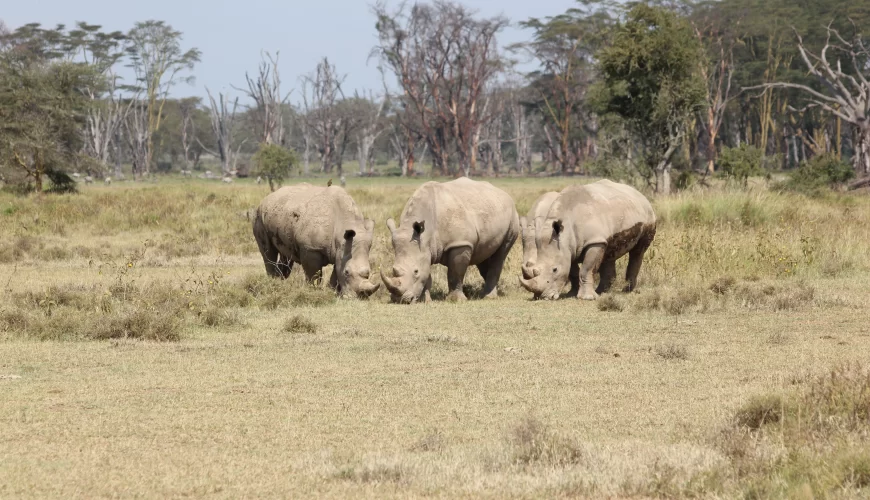
21. Visit Lake Nakuru for Rhinos and Birdlife
Lake Nakuru is one of Kenya’s most useful safari stops because it combines well with other destinations and offers a different landscape from the open plains of the Mara or Amboseli.
The park is known for rhinos, lake scenery, birdlife, and accessible game viewing. It is often included on Kenya safari routes between Nairobi, Masai Mara, and other Rift Valley destinations.
Travelers interested in lakes and birdlife can also consider Lake Naivasha, Lake Elementaita, Lake Bogoria National Reserve, and Lake Baringo.
Diwaka Safaris planning tip: Lake Nakuru works well as part of a balanced Kenya itinerary because it adds rhino viewing and Rift Valley scenery without requiring a very remote detour.

22. Explore Tsavo’s Wild Landscapes
Tsavo is one of Kenya’s great wilderness regions.
Tsavo East National Park and Tsavo West National Park offer a very different safari feeling from Masai Mara or Amboseli. The landscapes are vast, rugged, and atmospheric, with red earth, lava flows, open plains, hills, springs, and big wilderness views.
Tsavo works especially well for travelers combining safari with the Kenya coast. It can be a good option for guests who want wildlife before or after beach relaxation around Mombasa, Malindi, or Diani-style coastal areas.
Diwaka Safaris planning tip: Tsavo is excellent for travelers who enjoy wild landscapes and a less crowded safari atmosphere, especially when paired with a beach extension.

23. Experience Culture Alongside Wildlife
A safari becomes more meaningful when travelers understand the people, traditions, and communities connected to the landscapes they are visiting.
Cultural experiences can include visiting local communities, learning about pastoralist traditions, exploring historic towns, meeting guides and conservation teams, or spending time in cities such as Kigali, Nairobi, Kampala, Jinja, or Entebbe.
The best cultural experiences should feel respectful, well-organized, and beneficial to local communities. They should never feel staged only for photos.
Diwaka Safaris planning tip: ask for cultural experiences that are integrated naturally into the route. The most memorable encounters often come from thoughtful timing, good guides, and genuine local partnerships.

24. Take a Scenic Safari Flight
Scenic flights can turn a safari into something unforgettable.
Flying over savannah, rivers, wetlands, mountains, desert, or coastline gives travelers a completely different understanding of the landscape. It can also reduce long road transfers and make luxury or remote routes easier to manage.
Scenic flights are especially useful in destinations where distances are large or road transfers are tiring. They can work well for parts of Tanzania, Kenya, Zambia, South Africa, Botswana, and beach extensions.
For photographers, aerial views can be extraordinary, especially over deltas, deserts, plains, and coastlines.
Diwaka Safaris planning tip: scenic flights are not only about luxury. In some routes, they save time and help travelers spend more hours enjoying the destination instead of sitting on the road.
25. Sit Around the Campfire After a Game Drive
Some of the best safari memories happen after the game drive ends.
After sunset, travelers return to camp, freshen up, gather around the fire, and talk through the day’s sightings. Guides may share stories, guests compare photos, and the sounds of the bush slowly replace the noise of the day.
This is where safari becomes more than a schedule. It becomes atmosphere.
A campfire evening captures what many travelers remember most: the smell of the fire, the stars above camp, the distant sounds of wildlife, and the feeling of being far from ordinary routine.
Diwaka Safaris planning tip: choose at least one camp or lodge where the atmosphere matters, not just the room. The right camp can shape the emotional memory of the entire safari.

How to Choose Your Safari Bucket List
A safari bucket list should inspire you, but it should also help you make clear choices.
Instead of trying to include every famous experience in one trip, choose the moments that matter most. Do you want the drama of open plains, the quietness of rainforest, the intimacy of a tented camp, the perspective of a walking safari, the calm of a mokoro channel, or the beauty of ending beside the ocean?
Once those priorities are clear, the route becomes easier to design.
A first safari might focus on Maasai Mara, Serengeti, Ngorongoro, Amboseli, or Tarangire. A second safari might add gorilla trekking, Zambia, Southern Tanzania, Rwanda beyond gorillas, or a private conservancy. A romantic journey might combine a beautiful camp, private guiding, sundowners, and a beach ending.
Diwaka Safaris planning tip: choose three or four signature experiences, then build the itinerary around them. A focused safari usually feels more memorable than a trip that tries to include too much.
African Safari Bucket List by Travel Style
|
Travel Style |
Safari Experiences to Consider |
|
First-time safari travelers |
Maasai Mara sunrise, Serengeti, Ngorongoro Crater, Amboseli, Tarangire |
|
Honeymooners |
Luxury tented camps, sundowners, safari-and-beach holidays, private conservancies |
|
Photographers |
Amboseli elephants, Serengeti movement, Maasai Mara sunrise, Namibia landscapes, private vehicle safaris |
|
Families |
Kenya safaris, Tanzania Northern Circuit, boat safaris, beach extensions, shorter routes |
|
Adventure travelers |
Gorilla trekking, walking safaris, mokoro safaris, chimpanzee trekking, remote Zambia |
|
Repeat safari travelers |
Southern Tanzania, Zambia, Rwanda beyond gorillas, private conservancies, Namibia |
|
Beach lovers |
Kenya coast, Zanzibar-style Tanzania extensions, Maldives, UAE, Thailand |
Common Mistakes to Avoid When Building a Safari Bucket List
Treating the Bucket List Like a Checklist
The best safari is not the one with the most stops. It is the one where each experience has enough time to breathe. Trying to include too many parks, countries, and activities can make the journey feel rushed.
Choosing Famous Experiences Without Asking Why
Some travellers choose destinations only because they are famous. That can work, but a better approach is to ask what each experience adds to the journey. Maasai Mara, Serengeti, gorilla trekking, Victoria Falls, Namibia, Zambia, and beach extensions all offer something different.
Forgetting the Quiet Moments
A bucket list should include more than dramatic sightings. Sunrise coffee, a slow boat safari, a campfire conversation, a sundowner, or watching wildlife move quietly across the plains can become some of the strongest memories.
Ignoring the Physical Nature of Some Experiences
Gorilla trekking, chimpanzee trekking, walking safaris, and remote wilderness routes require more preparation than standard game drives. Travelers should choose experiences that match their comfort level, mobility, and expectations.
Building the Trip Around One Wildlife Moment
Nature does not follow a fixed schedule. River crossings, predator sightings, mountain views, and animal movement depend on weather, timing, and luck. The best bucket-list safaris are designed around strong regions, good guiding, and enough time to enjoy the experience.
Frequently Asked Questions About African Safari Bucket List Experiences
What should be on an African safari bucket list?
A strong African safari bucket list can include sunrise game drives, Serengeti wildlife movement, gorilla trekking, elephants in Amboseli, Ngorongoro Crater, a tented safari camp, a walking safari, a mokoro safari, a boat safari, cultural experiences, sundowners, and a beach ending. The best choices depend on what kind of memories the travellers wants to bring home.
What is the most iconic safari experience in Africa?
For many travellers, a classic game drive in Maasai Mara or Serengeti is the most iconic safari experience. These destinations offer open landscapes, strong wildlife viewing, and the traditional safari atmosphere many people imagine before visiting Africa.
What is the most emotional safari experience?
Gorilla trekking in Uganda or Rwanda is often one of the most emotional safari experiences because it happens on foot, in rainforest, and at close but respectful range. The quietness of the encounter makes it feel very different from a vehicle-based game drive.
What is the best safari experience for photographers?
Photographers often enjoy Maasai Mara sunrise drives, Amboseli elephants beneath Kilimanjaro, Serengeti wildlife movement, Ngorongoro Crater, Tarangire elephants, Namibia landscapes, and private vehicle safaris. A flexible schedule and experienced guide can make a major difference.
What safari bucket list experience is best for honeymooners?
Honeymooners often enjoy tented camps, private vehicles, sundowners, scenic lodges, gorilla trekking, and beach endings. The strongest honeymoon safari should include both memorable wildlife moments and quiet time together.
What is the best bucket list experience for repeat safari travelers?
Repeat safari travelers may enjoy Zambia walking safaris, Southern Tanzania, Rwanda beyond gorillas, private conservancies, chimpanzee trekking, Namibia, or remote wilderness routes. These experiences feel different from a classic first safari.
Can one safari include several bucket list experiences?
Yes, but the itinerary should be focused. A good safari might combine three to five major experiences, such as Maasai Mara sunrise drives, Amboseli elephants, a tented camp, a sundowner, and a beach ending. Too many experiences can make the trip feel rushed.
Is a safari bucket list only about wildlife?
No. Wildlife is central, but the best safari memories often include landscapes, guiding, culture, camp atmosphere, food, sunsets, conversations, and quiet moments between game drives.
How do I choose between different safari bucket list experiences?
Start with the feeling you want from the trip. Some travelers want drama and big wildlife. Others want quiet, romance, photography, primates, remote wilderness, or beach relaxation. Once the feeling is clear, the right destinations and experiences become easier to choose.
How can Diwaka Safaris help plan a bucket list safari?
Diwaka Safaris can help turn a broad wish list into a realistic journey by selecting experiences that belong together naturally, so the safari feels smooth, personal, and memorable instead of rushed.
Final Thoughts
An African safari bucket list is not simply a list of animals or destinations.
It is a collection of moments: the first sunrise drive, the sound of the bush at night, the stillness of a gorilla encounter, the sight of elephants crossing open plains, the silence of a mokoro channel, the glow of a sundowner, or the comfort of a campfire after a long day outside.
The best bucket list is personal. Some travelers will remember the drama of Serengeti wildlife movement. Others will remember a quiet beach ending, a guide’s story, a rainforest trek, or the feeling of being far from ordinary life.
Africa offers many unforgettable safari experiences. The key is choosing the ones that belong together.
If you are ready to plan your own African safari bucket list, share your dream experiences with Diwaka Safaris. The team can help shape them into a smooth, memorable journey that feels personal from beginning to end.