Kenya Safaris Destinations
Mombasa Marine National Park
⌖ Kenya Safaris
Escape to a vibrant world where ancient coral castles and electric blue waters teem with life – a sun-kissed jewel off the coast of Mombasa. Crystal-clear shallows lap onto pristine shores, revealing a bustling metropolis below...
About Mombasa Marine National Park
Escape to a vibrant world where ancient coral castles and electric blue waters teem with life – a sun-kissed jewel off the coast of Mombasa. Crystal-clear shallows lap onto pristine shores, revealing a bustling metropolis below: a dazzling array of rainbow fish, graceful sea turtles, and intricate marine gardens, all waiting to be discovered. This is more than a protected park; it's an exhilarating adventure, a sanctuary of natural beauty, and a chance to immerse yourself in the awe-inspiring magic of the ocean. Whether you're a seasoned diver, a first-time snorkeler, or simply seeking serene beauty from a glass-bottom boat, Mombasa Marine National Park is an unforgettable journey into the heart of Kenya's spectacular coastline.
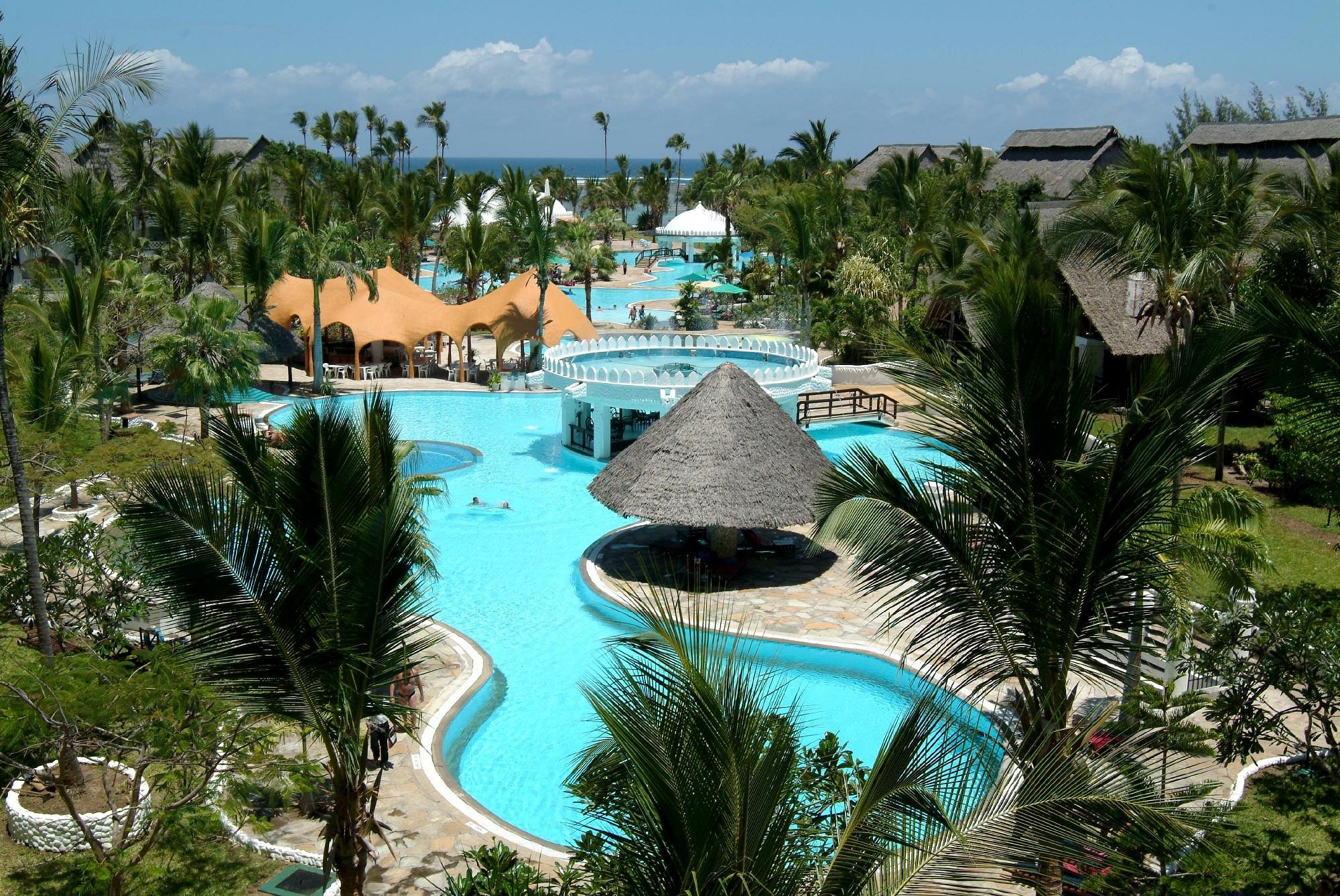
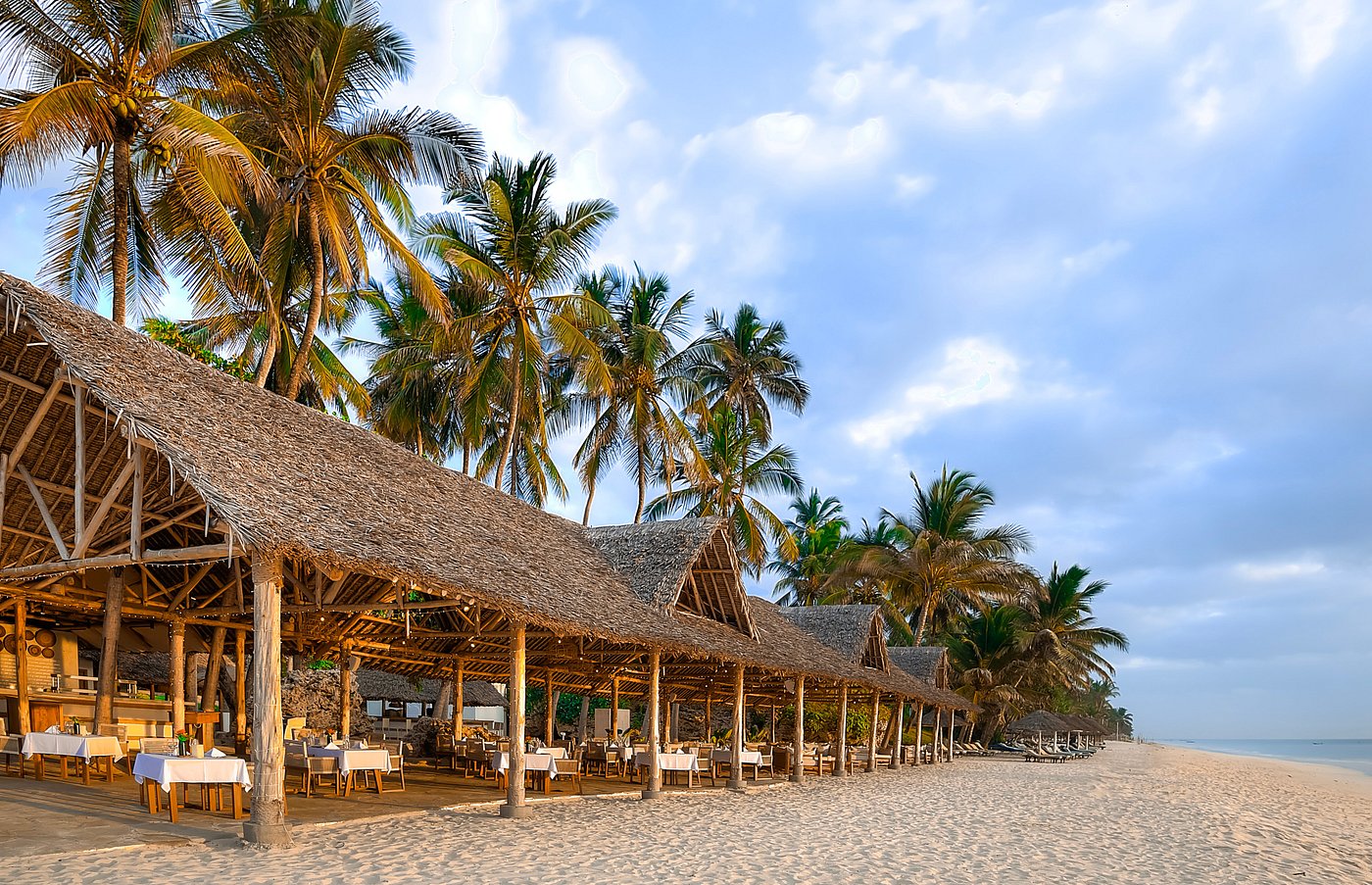
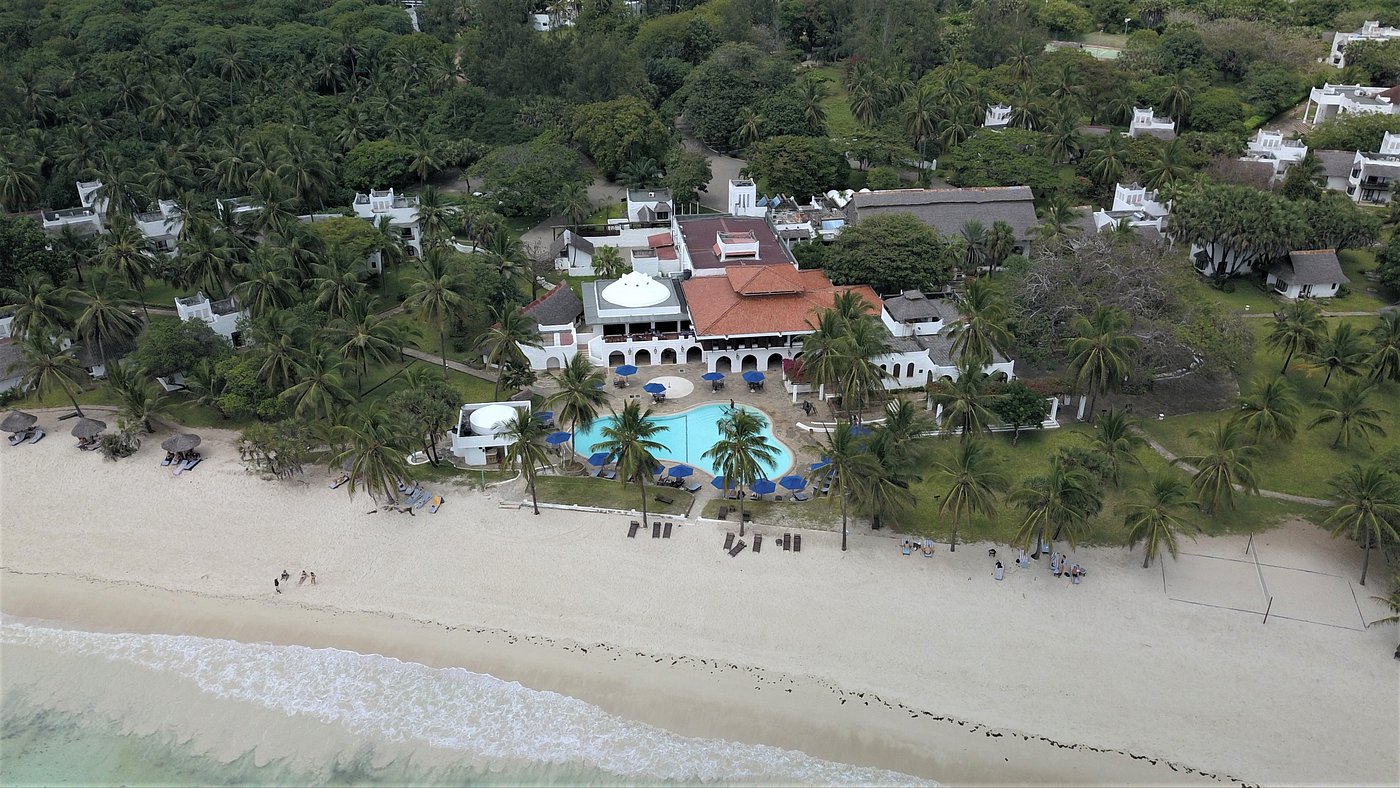
The park’s greatest highlight is its rich marine ecosystem, which includes coral gardens, tropical fish, sea turtles, and other aquatic life that depend on the reef for survival. The coral reefs create a living underwater landscape that is both visually stunning and ecologically important, making the park a valuable conservation area. For many visitors, the experience of seeing fish move through the reef or watching the water shift from deep blue to bright turquoise is unforgettable. The park also has a calm and welcoming coastal atmosphere, with palm-lined shores and open ocean views that add to its sense of relaxation and wonder.
Mombasa Marine National Park is also important because it protects one of Kenya’s most delicate natural environments. Coral reefs are fragile ecosystems, and the park plays a major role in preserving them for future generations. This conservation value gives the park significance beyond tourism, as it supports biodiversity and helps maintain the health of the marine environment. The protected status of the area means visitors can enjoy the beauty of the ocean while also appreciating the importance of safeguarding it. Its location near Mombasa makes it accessible, yet it still feels like a special natural retreat where the rhythm of the sea defines the experience.
What makes the park especially memorable is the way it combines relaxation, adventure, and education in one destination. Visitors can enjoy the soothing coastal scenery while also discovering the excitement of marine exploration. Whether someone is snorkeling above the reef, watching fish through a glass-bottom boat, or simply enjoying the shoreline, the park offers a refreshing and immersive ocean experience. Mombasa Marine National Park stands out as one of Kenya’s most attractive coastal treasures because it captures the beauty, calm, and richness of the Indian Ocean in a single protected place.
Best Time to Visit
The best time to visit Mombasa Marine National Park is during the dry, sunny months of January to March and July to October, when the ocean is calmer and underwater visibility is usually at its best. These months are ideal for snorkeling, diving, and boat excursions because the water is clearer and marine life is easier to observe. The weather is also more pleasant for beach activities during these periods, allowing visitors to spend more time exploring the coast comfortably. Although the park can be visited throughout the year, these months are generally the most favorable for both sightseeing and water-based activities.
Activities
Activities in Mombasa Marine National Park include snorkeling, scuba diving, swimming, glass-bottom boat rides, birdwatching, and marine wildlife viewing. Visitors can explore the coral reef, observe colorful fish, and sometimes spot sea turtles and other sea creatures in their natural habitat. The park is also a wonderful place for photography, relaxing by the ocean, and enjoying the beauty of Kenya’s coastline. For travelers who love the sea, it offers a perfect mix of adventure and relaxation in a protected marine environment.
Safaris in Mombasa Marine National Park
Hotels in Mombasa Marine National Park