One man spent decades here, releasing lions back into the wild and paying for it with his life. His name was George Adamson, and Kora National Park is where his extraordinary story, and the story behind the iconic film 'Born Fr...
One man spent decades here, releasing lions back into the wild and paying for it with his life. His name was George Adamson, and Kora National Park is where his extraordinary story, and the story behind the iconic film 'Born Free'; permanently belongs. Home to the Adamsons' Camp, 'Kampi ya Simba', Kora National Park is a pristine, remote wilderness 280 kilometres north-east of Nairobi, straddling the Tana River in Tana River County. The park's landscape of towering inselbergs, acacia woodlands and doum palm forests is carved through by the Tana River, along which the Adamson's Falls, Grand Falls and Kora Rapids are found. It is a wilderness that shaped one of conservation's most celebrated legacies, and remains one of Kenya's least visited and most rewarding wild spaces.
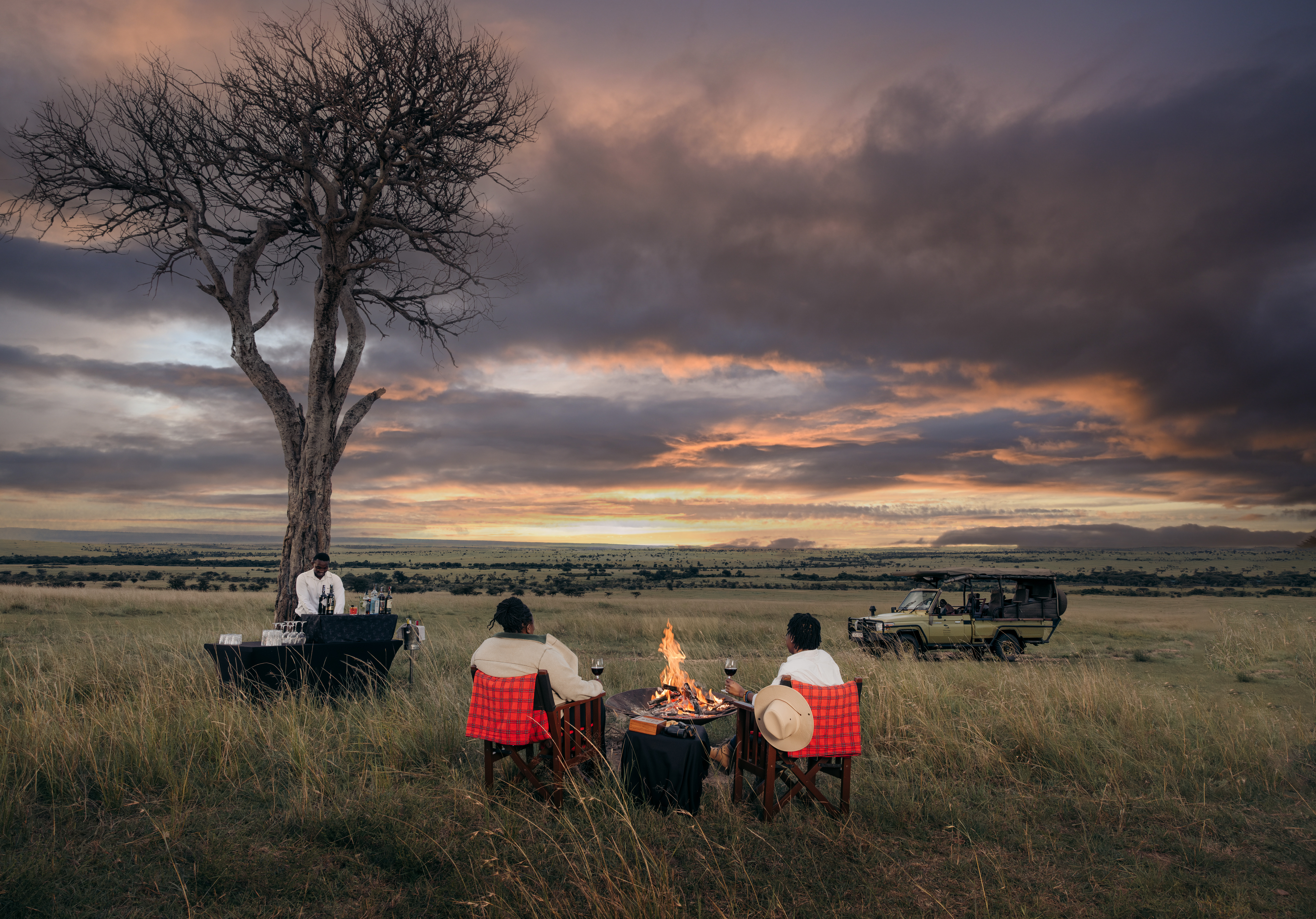
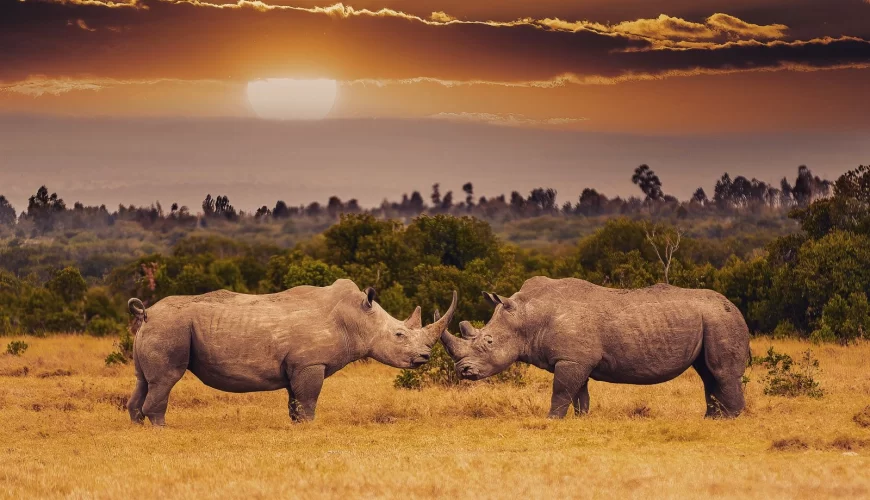
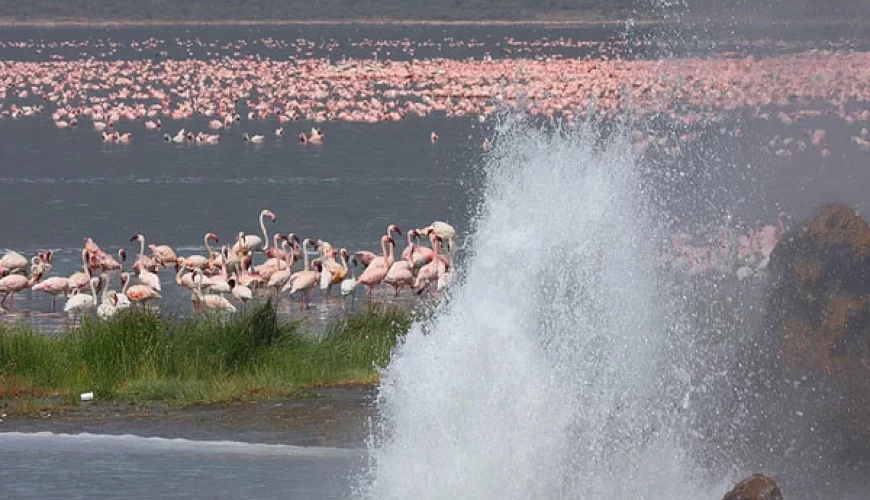
Kora supports a remarkable diversity of wildlife including but not limited to: Lions; Leopards; Cheetahs; and Elephants, roam its acacia woodlands, while the rare African Wild Dog, Lesser Kudu, Striped Hyena and Spotted hyena are among the more elusive residents. Tana River and its surroundings attract Crocodiles, Hippopotamus and a rich variety of Water Birds, making the riverine corridor one of the most rewarding wildlife watching zones in the park.
For many visitors, Kora's most powerful draw is its human story. George Adamson, known to the Kora community as 'Baba ya Simba', Father of Lions; lived and worked here for over two decades until his tragic death in 1989. His grave and his former camp, Kampi ya Simba, remain within the park and are open to visitors. Every year the park hosts the George Adamson Memorial, a tribute to a man whose life's work transformed global attitudes towards wildlife conservation and whose legacy continues to draw visitors from around the world to this remote corner of Kenya.
Best Time To Visit
Kora National Park is best visited during the dry seasons: January to February; and July to October, when wildlife congregates around the Tana River and its tributaries, making game viewing at its most rewarding. The vegetation thins during these months, opening up sightlines across the acacia woodlands and inselberg terrain that define the park's landscape.
The long rains run from March to May and the short rains from November to December, during which some roads within the park become difficult to navigate. However, the wet season transforms Kora into a lush, green wilderness with significantly fewer visitors, a worthwhile trade-off for those seeking solitude in one of Kenya's most remote national parks. Birdlife is also notably richer during and immediately after the rains, as migratory species arrive and resident birds are in active breeding season.
Activities
Game drives; take guided wildlife safaris through acacia woodland & along the Tana River corridor; watch birds across the park's diverse riverine & woodland habitats; hike & rock climb the park's inselbergs for panoramic views across the wilderness; raft & fish the Tana River at the Adamson's Falls, Grand Falls and Kora Rapids; camping; pay respects at George Adamson's grave; walk through Kampi ya Simba.