
Kenya Safaris Destinations
Kisite Mpunguti Marine National Park
⌖ Kenya Safaris
Picture yourself in the warm, crystal-clear waters of the Indian Ocean; a pod of spinner dolphins circling curiously around you, vibrant coral gardens stretching beneath you, and nothing but open ocean between you and the horiz...
Wildlife Viewing
Nature Walks
Birding
Cultural Experiences
About Kisite Mpunguti Marine National Park
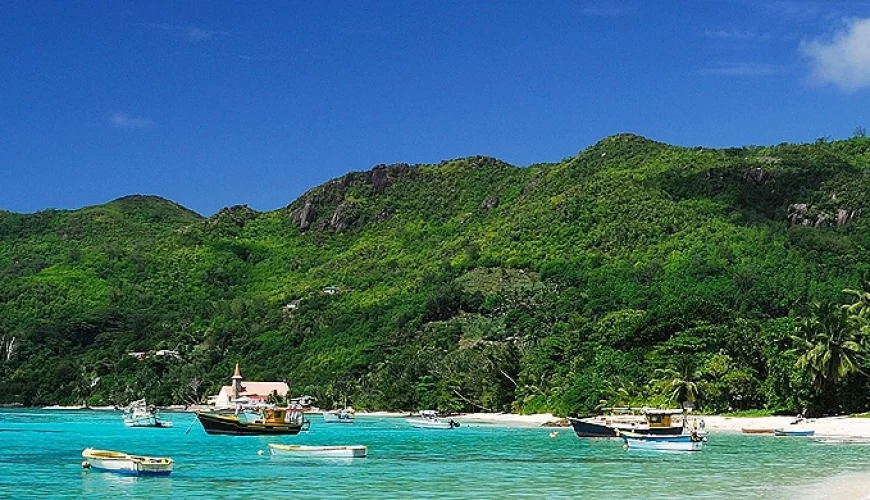
Picture yourself in the warm, crystal-clear waters of the Indian Ocean; a pod of spinner dolphins circling curiously around you, vibrant coral gardens stretching beneath you, and nothing but open ocean between you and the horizon. That is Kisite Mpunguti. Established to protect one of the most pristine marine ecosystems on the East African coast, Kisite Mpunguti Marine National Park lies in the warm Indian Ocean waters south of Wasini Island, approximately 8 kilometres off the Shimoni Peninsula. The park encompasses three small coral island sanctuaries surrounded by extensive fringing reefs; an underwater world of extraordinary richness, home to 250 recorded fish species, 56 genera of corals, sea turtles, rays and the spinner & bottlenose dolphins that have made Kisite Mpunguti famous throughout East Africa. Between June and September, humpback whales pass through the park's open waters on their annual migration; one of the most spectacular wildlife events on the Kenyan coast.
The gateway to Kisite Mpunguti is the traditional Swahili fishing settlement of Wasini Island; a car-free, unhurried community where coral-walled houses, baobab trees and the smell of the ocean define daily life. Most visitors arrive by traditional wooden dhow from the village of Shimoni on the mainland, a short sail that sets the tone for the entire experience. Before or after the marine park, a walk through Wasini village, a visit to the ancient coral gardens on the island's shoreline and a freshly prepared Swahili seafood lunch complete a coastal experience that is as culturally rich as it is naturally extraordinary.
Kisite Mpunguti holds the distinction of being Kenya's first and Africa's first Gold Level Blue Park, an international recognition awarded by the Marine Conservation Institute in 2021, for outstanding marine protection and management. The park's healthy coral reef ecosystems, thriving dolphin populations and nesting sea turtle beaches are a direct result of active conservation efforts by Kenya Wildlife Service in partnership with local fishing communities. Visitors to Kisite Mpunguti are not just witnessing one of East Africa's finest marine environments; they are supporting its continued protection.
On the mainland at Shimoni, a sobering and historically significant site awaits; the Shimoni Slave Caves, a network of coral caves where enslaved people were held before being shipped across the Indian Ocean during the East African slave trade. A guided visit to the caves offers a powerful and moving insight into this chapter of the region's history, and is an important cultural complement to the natural wonders of the marine park just offshore.
Best Time To Visit
Kisite Mpunguti can be visited year-round, but the experience varies significantly by season. The best conditions for snorkelling and diving fall within the two dry seasons: January to March; and October to December, when the ocean is at its calmest, visibility beneath the surface is at its clearest, and the coral gardens are most vibrant. These months offer the most comfortable dhow crossings from Shimoni and the best conditions for underwater photography.
Dolphin watching is rewarding in all seasons; resident pods of spinner and bottlenose dolphins are present throughout the year, but June to September is the most exceptional period, as humpback whales migrate through the park's open waters on their annual journey south. This makes the July to September window the single most compelling time to visit, combining excellent whale watching with reliable dolphin encounters and good diving conditions. The long rains of April to June bring stronger winds and choppy seas that can make the dhow crossing uncomfortable and reduce underwater visibility, though the park remains accessible and dolphin sightings remain frequent.
Activities
Snorkel or dive the pristine coral reef gardens; enjoy a guided dhow excursion to swim with resident spinner and bottlenose dolphins; take a glass-bottom boat ride for a remarkable coral viewing experience without entering the water; humpback whale watching; walk through the traditional swahili village of Wasini Island; enjoy freshly prepared seafood meals; visit the historic Shimoni slave caves.
Safaris in Kisite Mpunguti Marine National Park
Hotels in Kisite Mpunguti Marine National Park
No matching hotels for now.