Best Time to Visit Africa for Safari: A Month-by-Month Travel Guide
The best time to visit Africa for safari is not one fixed month. It changes with rainfall, wildlife movement, vegetation, road conditions, park geography, and the type of experience a traveler hopes to have.
For many classic safari routes, June to October is the most reliable period for wildlife viewing. These dry-season months often make animals easier to see because vegetation is thinner and wildlife gathers closer to rivers, waterholes, marshes, and permanent water sources.
But Africa is not a one-season safari destination.
January and February can be excellent for green landscapes, newborn wildlife, predator activity, and photography. March to May can reward flexible travelers with quieter parks and lush scenery. November and early December can bring fresh grass, migratory birds, softer light, and a more relaxed safari atmosphere before festive-season demand rises.
At Diwaka Safaris, we look at safari timing through one practical question: what will each destination feel like during the month you want to travel? A July itinerary through Kenya will not feel the same as a February Tanzania safari, a September Zambia journey, or a December Uganda and Rwanda primate route.
This guide explains the best time to visit Africa for safari by month, destination, wildlife season, weather pattern, and travel experience.

When Is the Best Time to Visit Africa for Safari?
For most classic safari experiences, June to October is the strongest overall period. These are dry-season months in many safari regions, so wildlife is often easier to find and game drives can feel more productive.
This is a strong period for travelers planning a Kenya safari, a Tanzania safari, a Zambia safari, or a South Africa safari. It also works well for travelers who want their first African safari to feel smooth, comfortable, and wildlife-rich.
Kenya Wildlife Service identifies July to December and December to March as strong wildlife-viewing periods for many Kenyan parks, while April to June is associated with long rains and some roads requiring four-wheel-drive access. Tanzania National Parks describes Serengeti as one of the world’s most important wildlife areas and a sanctuary for the annual mammal migration, which is why safari timing in the Serengeti is often planned around seasonal wildlife movement.
However, the best month depends on the traveler. If you want green-season photography and calving activity, January to March can be excellent. If you want better value and fewer crowds, March to May and November are worth considering. If you want gorilla trekking in Uganda or Rwanda, the drier trekking windows are often preferred, although gorilla trekking is possible year-round.
Diwaka Safaris planning tip: if this is your first safari, avoid choosing a month based on one wildlife event alone. A better safari comes from matching the month with the right parks, lodge locations, transfer times, and travel pace.
Africa Safari Seasons at a Glance
|
Safari Experience |
Strong Travel Months |
Recommended Regions |
|
Classic wildlife viewing |
June to October |
Kenya, Tanzania, Zambia, South Africa |
|
Green-season scenery and photography |
January to March |
Tanzania, Kenya, Uganda, Rwanda, South Africa |
|
Better seasonal value |
March to May and November |
Kenya, Tanzania, Uganda, Rwanda, South Africa |
|
Gorilla trekking |
June to September and December to February |
Uganda and Rwanda |
|
Family safari holidays |
July, August, and December |
Kenya, Tanzania, South Africa |
|
Honeymoon safari and beach |
January to February and June to October |
Kenya, Tanzania, Rwanda, South Africa, Indian Ocean extensions |
|
Safari and beach holidays |
July to October and December to February |
Kenya coast, Tanzania and Zanzibar-style beach stays, Maldives, UAE, Thailand |
|
Photography safaris |
January to March and July to October |
Serengeti, Masai Mara, Amboseli, Ngorongoro, Tarangire, Uganda, Rwanda |
Understanding Africa’s Safari Seasons
Africa’s safari seasons are best understood as a changing pattern rather than a fixed calendar. Rainfall, altitude, vegetation, water availability, and animal movement all affect what travelers see on safari.
A dry month in one country can feel completely different from the same month elsewhere. Kenya’s savannahs, Tanzania’s Serengeti plains, Uganda’s rainforests, Rwanda’s volcanic slopes, Zambia’s river valleys, and South Africa’s private reserves all respond differently to seasonal change.
This is why safari timing should be planned by region, not only by month. The same travel dates may be excellent for dry-season game drives in one destination, green-season photography in another, and gorilla trekking in a rainforest destination where weather can change quickly throughout the year.
Diwaka Safaris planning tip: before choosing a safari month, first decide which destination matters most. Once the destination is clear, the season can be matched to wildlife movement, road access, lodge availability, and the best route.
Dry Season Safari Travel
The dry season is the traditional high season in many safari regions. In much of East and Southern Africa, it generally falls between June and October.
During this period, grasses shorten, bush cover thins, and wildlife often moves closer to rivers, pans, marshes, and waterholes. This makes animals easier to see and can create stronger predator-viewing opportunities.
Dry-season travel is especially useful for first-time safari travelers because sightings tend to be more predictable. It is also a strong time for families who want easier logistics and reliable game drives.
In Kenya, this is a good time to explore classic wildlife areas such as Masai Mara Game Reserve, Amboseli National Park, Samburu National Reserve, Lake Nakuru, Tsavo East National Park, and Tsavo West National Park.
In Tanzania, dry-season safaris work well for Serengeti National Park, Ngorongoro Crater, Tarangire National Park, and Lake Manyara National Park.
The trade-off is demand. July, August, September, and festive-season dates can book quickly, especially for luxury lodges, family rooms, private vehicles, and migration-focused camps.
Green Season Safari Travel
The green season is often misunderstood. It does not mean safari travel stops. In many destinations, it means the landscape becomes more colorful, the skies become more dramatic, birdlife improves, and the parks feel softer and quieter.
For photographers, this can be one of the most rewarding periods of the year. Animals are framed by fresh grass, cloud formations add drama to the sky, and the light often feels gentler than during the harshest dry-season months.
Green season also changes the rhythm of game drives. Wildlife may be more spread out because water is easier to find, so sightings can require more patience and better guiding. The reward is a safari that often feels more atmospheric and less predictable in a good way.
A well-planned green-season safari works best for travelers who enjoy scenery, photography, birdlife, newborn animals, and a more relaxed pace rather than only focusing on maximum dry-season wildlife concentration.

Month-by-Month Safari Guide
January Safari Guide
January is a beautiful month for travelers who want warm weather, green scenery, newborn wildlife, and strong photography conditions.
In Tanzania, the southern Serengeti and Ndutu region are especially attractive because this is when calving activity begins across the wider Serengeti ecosystem. Tanzania’s official tourism site highlights the Serengeti calving season as a dramatic period when newborn wildebeest attract big cats and create memorable safari moments.
A January Tanzania itinerary can combine Serengeti National Park, Ngorongoro Crater, and Lake Manyara National Park. This works well for couples, photographers, honeymooners, and travelers who want a safari that feels lush and alive.
Kenya is also rewarding in January. Travelers can enjoy warm game-drive conditions in Masai Mara, Amboseli, Samburu, Laikipia, and Lake Nakuru.
Diwaka Safaris planning tip: January is a strong month for travelers who want safari and beach together. A Tanzania safari can finish with a Zanzibar-style beach stay, while Kenya can pair well with the coast.

February Safari Guide
February continues the strong green-season safari window, especially in Tanzania. The Serengeti calving season remains one of the major wildlife highlights of the year, and predator activity can be intense where newborn wildebeest, zebra, and antelope attract big cats.
This is a particularly good month for photographers. The grass is greener, the light can be soft, and wildlife scenes often feel more dramatic than in the dry season.
February also works well for honeymooners. A romantic safari through Serengeti and Ngorongoro can be combined with beach relaxation or a longer international extension through the Maldives, UAE, or Thailand.
For travelers interested in primates, February can also be a good time for Uganda safaris and Rwanda gorilla trekking, especially when compared with heavier rainy periods.
March Safari Guide
March is a quieter safari month in parts of East Africa. Rain may increase, but many travelers overlook how beautiful this period can be.
The landscapes are lush, lodges are often less crowded, and rates can become more attractive. For travelers who do not mind occasional rain and want a more private safari atmosphere, March can be a smart choice.
In Uganda, rainforest destinations become especially lush and atmospheric. Travelers interested in primates can explore Bwindi Impenetrable Forest, Kibale National Park, Queen Elizabeth National Park, and Murchison Falls National Park.
Rwanda also offers memorable primate and cultural journeys through Volcanoes National Park, Nyungwe National Park, Akagera National Park, and Kigali.
Diwaka Safaris planning tip: March is better for flexible travelers than rushed itineraries. Choose fewer destinations, allow more breathing room, and work with routes that make sense for the season.

April Safari Guide
April is one of the quietest safari months in many East African destinations. Long rains can affect some routes, but this is also when experienced safari travelers can find privacy, value, and beautiful scenery.
This is not the easiest month for every itinerary. Some remote roads may require more careful planning, and travelers should work with a safari operator who understands seasonal access, vehicle choice, and lodge availability.
In Kenya, KWS identifies April to June as low season and notes that long rains can mean some park roads require four-wheel-drive vehicles. That does not mean April should be avoided completely; it means the route should be planned carefully.
April can be excellent for guests who want a slower, more peaceful safari. It is also attractive for travelers who prefer luxury lodges at better seasonal rates and are comfortable with a flexible approach to daily game drives.
Diwaka Safaris planning tip: April is not the best month for travelers who want a packed, fast-moving itinerary. It works better for guests who value privacy, scenery, and thoughtful pacing.
May Safari Guide
May is a transition month. Rains begin to ease in some regions, camps prepare for the busier dry season, and landscapes remain green. This creates a useful window for travelers who want better pricing before June demand rises.
May can be rewarding in South Africa, selected East African routes, and some destinations where travelers want a quieter pace. It is also a good month to plan ahead for Zambia, where dry-season walking safari conditions become stronger from June onward.
Travelers interested in Zambia can consider itineraries around Lower Zambezi National Park, Kafue National Park, Liuwa Plain National Park, and Victoria Falls, depending on seasonal access and travel style.
May is a good choice for travelers who want a balance of green scenery, value, and fewer crowds before the high season begins.
June Safari Guide
June marks the beginning of the classic dry-season safari period in many destinations. Wildlife viewing improves as vegetation thins and water sources become more important.
This is one of the best months for travelers who want strong sightings without the deepest peak-season pressure of July and August.
In Kenya, June works well for Amboseli National Park, Samburu National Reserve, Lake Nakuru, and the Tsavo region. In Tanzania, it is a strong time for Tarangire National Park, Serengeti National Park, and Ngorongoro Crater.
For Uganda and Rwanda, June is one of the preferred months for gorilla trekking because conditions are often drier than the heavier rainy periods. Visit Rwanda describes gorilla tracking in Rwanda as safe and relatively accessible, with Volcanoes National Park forming part of the volcanic range shared by Rwanda, Uganda, and the Democratic Republic of Congo.
Diwaka Safaris planning tip: June is excellent for travelers who want strong wildlife viewing but prefer to avoid the highest peak-season pressure of August.

July Safari Guide
July is one of Africa’s most popular safari months. Dry conditions create reliable wildlife viewing, school holidays make family travel easier, and many iconic parks enter their busiest period.
Kenya, Tanzania, Uganda, Rwanda, Zambia, and South Africa are all strong choices in July.
In Kenya, Masai Mara Game Reserve, Amboseli National Park, Samburu National Reserve, and Laikipia are excellent options. Private conservancies and well-planned routes can help travelers enjoy a more exclusive safari experience.
In Tanzania, July is excellent for Serengeti National Park, especially for travelers following seasonal wildlife movement. Ngorongoro Crater also remains one of the most reliable wildlife areas for first-time safari travelers.
For families, July works well because it aligns with school holidays in many countries. However, family rooms, private vehicles, and top lodges should be booked early.
Diwaka Safaris planning tip: if traveling as a family in July, choose fewer parks and better lodge locations rather than trying to cover too many destinations in one itinerary.
August Safari Guide
August delivers some of the strongest wildlife viewing across Africa. It is a peak safari month, especially for travelers seeking dry-season game drives, big cat sightings, and dramatic safari landscapes.
In Kenya, August is powerful for Masai Mara, Amboseli, Samburu, and Lake Nakuru. In Tanzania, August works very well for Serengeti, Tarangire, and Ngorongoro.
This is also a strong month for gorilla trekking in Uganda and Rwanda, especially for travelers who want to combine primates with classic savannah safari.
August should be booked early because demand is high, especially for luxury lodges, migration-focused itineraries, and private safari vehicles.

September Safari Guide
September is one of the best all-round safari months in Africa. The dry season is well established, wildlife visibility is excellent, and many destinations offer consistent game-viewing conditions.
This month is especially strong for travelers who want warm days, reliable sightings, and slightly less family-holiday pressure than August.
In East Africa, Kenya safaris and Tanzania safaris remain excellent. In Zambia, September is a strong month for river-based wildlife viewing and walking safari experiences, especially around wilderness areas such as Lower Zambezi National Park and Kafue National Park.
September is also excellent for photographers. Wildlife is easier to find, backgrounds are dry and golden, and the contrast between animals, dust, and late-afternoon light can be beautiful.
Diwaka Safaris planning tip: September is a very strong choice for travelers who want peak wildlife quality but slightly calmer travel conditions than August.
October Safari Guide
October can be hot in several safari regions, but wildlife viewing can be exceptional. As water becomes scarce, animals concentrate around reliable rivers, lagoons, waterholes, and wetlands. This can make predator activity easier to observe.
October is a strong month for travelers who are comfortable with heat and want high-impact wildlife sightings. It works well for experienced safari travelers, photographers, and guests who want dramatic dry-season conditions.
In Kenya and Tanzania, October remains rewarding before short rains return in some areas. Travelers can consider Masai Mara, Amboseli, Serengeti, Tarangire, and Ruaha.
October can also pair well with South Africa, especially for travelers combining safari with Cape Town, coastal areas, or wine-region experiences.

November Safari Guide
November is the return-to-green month in many safari destinations. Short rains refresh landscapes, birdlife becomes more active, and some lodges offer better value before festive-season demand rises.
Kenya and Tanzania can be rewarding in November for flexible travelers. The parks may feel quieter, the scenery softens, and the first flush of green can create beautiful photographic conditions.
Birdwatchers often enjoy November because migratory species begin appearing in several regions. In Kenya, travelers can explore Lake Nakuru, Lake Naivasha, Lake Elementaita, Lake Bogoria National Reserve, and Lake Baringo.
In Uganda, birding and wildlife-focused routes can include Murchison Falls National Park, Queen Elizabeth National Park, and Lake Mburo National Park.
Diwaka Safaris planning tip: November is a good month for travelers who want quieter camps, softer light, and more flexible pricing before December demand increases.
December Safari Guide
December is popular for festive travel, family holidays, honeymoons, and safari-and-beach combinations. Demand rises sharply around Christmas and New Year, so early planning is important.
Travelers often combine a Kenya safari with the coast, a Tanzania safari with Zanzibar-style beach relaxation, or a longer journey with Maldives, UAE, or Thailand.
December also works well for Uganda and Rwanda gorilla trekking, especially for travelers who want to combine primates with a festive-season holiday.
Diwaka Safaris planning tip: December trips should be planned early. Festive-season lodge space, family rooms, and beach properties can fill quickly.

Best Time to Visit Africa by Destination
Kenya
Kenya is one of Africa’s strongest year-round safari destinations, but the drier months are especially popular for wildlife viewing. The country offers classic savannah safaris, private conservancy experiences, dramatic landscapes, lakes, beaches, and rich cultural encounters.
For first-time travelers, Masai Mara Game Reserve, Amboseli National Park, Samburu National Reserve, Lake Nakuru, and Tsavo East National Park offer a strong introduction to Kenya’s wildlife.
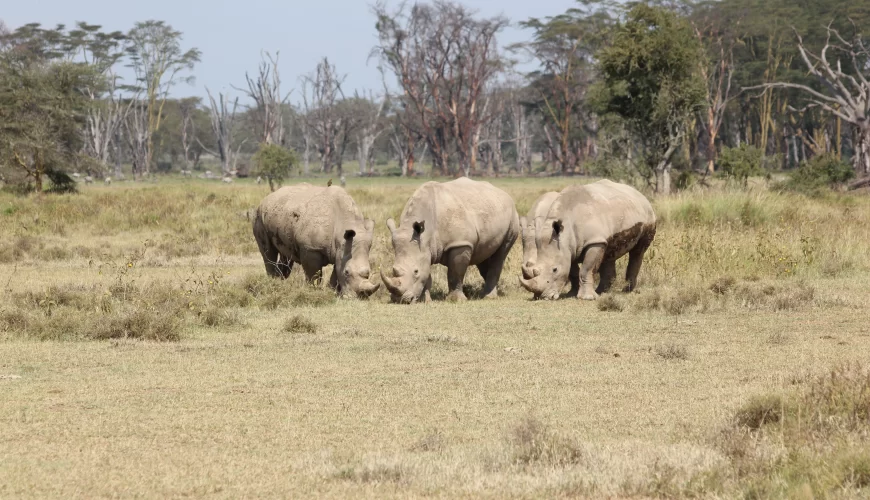
Kenya also works well for travelers who want variety. A single itinerary can include elephants beneath Mount Kilimanjaro in Amboseli, big cats in the Mara, rhinos around Lake Nakuru, rugged northern landscapes in Samburu, and coastal relaxation around Mombasa, Malindi, Lamu, or Diani-style beach areas.
Diwaka Safaris planning tip: for a first Kenya safari, avoid building a route that is too rushed. Masai Mara, Amboseli, and Lake Nakuru can be excellent together, but the best route depends on travel days and preferred comfort level.
Tanzania
Tanzania is best planned around the experience the traveler wants. The Serengeti ecosystem changes throughout the year, Ngorongoro Crater offers dense wildlife viewing in a dramatic volcanic landscape, Tarangire becomes excellent during the dry season as elephants gather near water, and Zanzibar-style beach extensions work beautifully after safari.
For classic Northern Tanzania safaris, the strongest route usually includes Serengeti National Park, Ngorongoro Crater, Tarangire National Park, and Lake Manyara National Park.
For travelers who want something quieter and wilder, Tanzania also offers southern and western routes through Ruaha National Park, Nyerere National Park, Katavi National Park, Mahale Mountain National Park, and Gombe National Park.
Tanzania is especially strong for travelers interested in migration, calving season, elephants, big cats, crater landscapes, remote wilderness, and safari-and-beach combinations.
Uganda
Uganda is ideal for travelers who want a safari with primates, waterfalls, forests, savannah, lakes, and rich scenery. It is best known for gorilla trekking in Bwindi Impenetrable Forest, but a strong Uganda itinerary can include far more than gorillas.
Travelers can combine Bwindi with chimpanzee trekking in Kibale National Park, wildlife viewing in Queen Elizabeth National Park, boat safaris and waterfalls in Murchison Falls National Park, quiet savannah scenery in Lake Mburo National Park, and remote wilderness in Kidepo Valley National Park.
Uganda is a strong year-round destination, but many travelers prefer the drier trekking windows from June to September and December to February. Even during drier months, rainforest conditions can change quickly, so good footwear, rain protection, and realistic pacing are important.
Rwanda
Rwanda is one of Africa’s best destinations for travelers who want a shorter, high-quality primate and wildlife journey. Its compact size makes it possible to combine gorilla trekking, cultural experiences, rainforest walks, and savannah wildlife within a well-planned itinerary.
Volcanoes National Park is the main destination for gorilla trekking. Nyungwe National Park is excellent for rainforest, chimpanzees, canopy walks, and birdlife. Akagera National Park adds savannah wildlife, while Kigali gives travelers a smooth arrival point and meaningful cultural context.
Rwanda is especially good for luxury travelers, couples, and guests with limited time who still want a powerful wildlife experience.
Zambia
Zambia is a superb choice for travelers who want a more adventurous and less crowded safari experience. It is strongly associated with walking safaris, river landscapes, remote camps, and excellent guiding.
Travelers can build a Zambia itinerary around Lower Zambezi National Park, Kafue National Park, Liuwa Plain National Park, and Victoria Falls.
The dry season from June to October is generally the most attractive period for classic wildlife viewing, walking safaris, and river-based experiences.
Zambia is ideal for travelers who have already done a first safari and want something more immersive, wild, and guide-led.
South Africa
South Africa is one of the easiest safari destinations to combine with city, coast, food, wine, and cultural travel. It works especially well for first-time visitors who want comfort, excellent infrastructure, and a broad travel experience.
The dry winter months are excellent for wildlife viewing around Kruger and private reserves, while Cape Town and coastal regions add variety to longer itineraries.
South Africa is also a strong choice for families, honeymooners, and travelers who want a safari that can be combined with luxury lodges, scenic drives, and urban experiences.
For travelers comparing safari destinations, South Africa is often the easiest option logistically, while Kenya and Tanzania usually provide the more classic open-savannah safari feeling.
Safari Add-On Destinations and Beach Extensions
Not every safari itinerary has to end in the bush. Many travelers now combine African safaris with cultural, beach, or luxury stopover destinations.
An Egypt travel extension can work well for guests interested in history, culture, and ancient landmarks before or after safari. A UAE stopover is useful for travelers connecting through the Middle East and wanting a short luxury break. The Maldives is excellent for honeymooners and beach-focused travelers, while Thailand can extend a safari holiday into a broader international trip.
These destinations should be treated as extensions, not replacements for safari. They are most useful when a traveler wants a complete holiday that combines wildlife, culture, and relaxation.

Choosing the Right Safari Month for Your Travel Style
First-Time Safari Travelers
Choosing the right safari month should begin with the calendar, then narrow down by destination.
Start with your available travel dates. Then ask what those dates mean for the parks you want to visit. Are the grasses high or low? Are animals likely to gather near water? Are roads usually reliable? Is the destination in a dry period, green period, or transition month? Are you combining safari with beach, gorilla trekking, or a multi-country itinerary?
For first-time travelers, June to October usually gives the most predictable wildlife viewing across many classic safari regions. For photographers, January to March can offer softer light, newborn wildlife, and dramatic skies. For travelers who want fewer vehicles and a quieter atmosphere, March to May and November can be rewarding when the route is planned carefully.
Diwaka Safaris planning tip: the best month is not always the most famous month. The right choice is the month that gives your specific route the strongest chance of working smoothly.
Honeymooners
Honeymooners often prefer privacy, scenic lodges, beautiful rooms, and a balance between adventure and relaxation.
January to February and June to October are strong safari windows, especially when paired with beach destinations. A honeymoon itinerary might begin with a private tented camp in Kenya or Tanzania and end with a slow beach stay in Zanzibar-style coastal areas, the Maldives, or another romantic extension.
For couples who want a more exclusive wildlife experience, private conservancies, fly-in safaris, and smaller luxury camps are worth considering.
Families
Families usually need child-friendly lodges, shorter transfer times, flexible meals, and reliable guiding. July, August, and December often fit school holiday calendars, but families should book early because family rooms and private vehicles sell out quickly.
Kenya, Tanzania, and South Africa are strong family safari choices because they offer varied accommodation options and smoother logistics. For Kenya, Amboseli, Masai Mara, Lake Nakuru, and Nairobi National Park can work well depending on itinerary length.
Families should avoid overloading the itinerary. Children often enjoy safari more when the route includes downtime, shorter drives, swimming pools, flexible meals, and guides who understand family pacing.
Photographers
Photographers should think beyond the dry-season calendar.
July to October offers excellent wildlife concentration, golden grass, dust, and strong predator-viewing opportunities. January to March can offer soft light, dramatic skies, newborn wildlife, and greener backgrounds.
For photography-focused safaris, Amboseli, Masai Mara, Serengeti, Ngorongoro Crater, Tarangire, and Lake Nakuru all offer strong photographic opportunities depending on the season.
A private vehicle is usually worth considering for photographers because it gives more control over timing, positioning, and patience at sightings.
Gorilla Trekking Travelers
Gorilla trekking is possible throughout the year, but many travelers prefer the drier months from June to September and December to February.
In Uganda, the main gorilla trekking destination is Bwindi Impenetrable Forest, with Mgahinga National Park also offering important primate and volcanic scenery. In Rwanda, Volcanoes National Park is the main gorilla trekking area.
Travelers should remember that gorilla trekking takes place in rainforest environments, so rain is possible even in drier months. Good hiking shoes, lightweight rain gear, gloves, and a reasonable fitness level are helpful.
Diwaka Safaris planning tip: gorilla permits should be planned early during popular travel windows. For many travelers, the best itinerary combines gorilla trekking with savannah wildlife so the trip feels complete.
Safari and Beach Combinations by Season
Safari and beach itineraries are popular because they balance early-morning game drives with restful coastal days.
A Kenya safari can be combined with the coast through Mombasa, Malindi, Lamu, or Diani-style beach stays. A Tanzania safari can be paired with Zanzibar-style beach relaxation after Serengeti, Ngorongoro, Tarangire, or Lake Manyara.
For longer trips, travelers may also add Maldives, UAE, or Thailand extensions.
December to February works well for warm beach travel, while July to October is ideal for travelers who want classic dry-season safari conditions before relaxing by the Indian Ocean.
These combinations are especially attractive for honeymoons, anniversaries, family holidays, and first-time Africa trips.
Common Safari Planning Mistakes to Avoid
Choosing Only the Most Famous Month
Peak months are popular for good reasons, but they are not always the best fit for every traveler. Some travelers may enjoy quieter green-season safaris more than crowded high-season routes.
Ignoring Regional Differences
Africa is vast. Weather and wildlife patterns in Kenya are not the same as Tanzania, Uganda, Rwanda, Zambia, South Africa, or the Indian Ocean coast. A good itinerary should match the destination to the season.
Booking Too Late for Peak Season
June to October and festive-season travel should be planned early, especially for luxury lodges, family rooms, private vehicles, and fly-in safaris.
Trying to Visit Too Many Parks
A rushed itinerary can make safari feel tiring. It is usually better to spend more time in fewer destinations than to lose too many hours on the road.
Forgetting Beach Weather
Safari-and-beach itineraries should consider both bush conditions and coastal weather. Zanzibar-style beach stays, Kenya’s coast, the Maldives, UAE stopovers, and Thailand extensions each have their own seasonal patterns.
Ignoring How the Season Affects the Route
A route that works beautifully in one month may feel rushed, difficult, or less rewarding in another. Rain, road conditions, wildlife movement, heat, and park access can all affect how smoothly an itinerary performs.
Travelers should not only ask where they want to go. They should ask whether that route makes sense for the month they are traveling.
Frequently Asked Questions About the Best Time to Visit Africa for Safari
What is the best month to go on safari in Africa?
September is one of the best all-round safari months because many destinations are dry, wildlife visibility is strong, and game drives are usually productive. However, the best month depends on the destination and experience. January and February are excellent for green-season photography and Serengeti calving, while June to October is ideal for classic dry-season wildlife viewing.
Is June to October the best time for safari?
June to October is the most popular safari period in many East and Southern African destinations because wildlife is easier to see and vegetation is thinner. It is a strong choice for first-time travelers, families, and classic game drives. However, green-season months can offer better value, fewer crowds, and beautiful photography.
When is the best time for a Tanzania safari?
Tanzania is excellent in different ways throughout the year. June to October is strong for dry-season wildlife viewing, January to March is excellent for southern Serengeti calving and green-season photography, and July to October can be attractive for travelers following seasonal wildlife movement in the Serengeti. A Tanzania safari can include Serengeti, Ngorongoro, Tarangire, and Lake Manyara.
When is the best time for a Kenya safari?
Kenya is a strong year-round safari destination, but many travelers prefer the drier months from June to October and the warm period from December to March. Popular safari areas include Masai Mara, Amboseli, Samburu, Lake Nakuru, and Tsavo.
What is the cheapest time to go on safari?
March to May and November often provide better value in many destinations because demand is lower. Some lodges offer seasonal rates during these periods. Travelers should still choose routes carefully, especially during rainy months when some roads may be more difficult.
What is the best time for gorilla trekking?
The preferred gorilla trekking months are usually June to September and December to February because conditions are often drier. Gorilla trekking is possible year-round, but rainforest weather can change quickly. Uganda’s Bwindi Impenetrable Forest and Rwanda’s Volcanoes National Park are the main destinations to consider.
Is green season good for safari?
Yes, green season can be excellent for safari if the itinerary is planned well. Travelers can enjoy lush landscapes, dramatic skies, fewer vehicles, better value, and strong photography. It is especially rewarding for flexible travelers who want a quieter and more atmospheric safari experience.
How many days do you need for an African safari?
For a first safari, 5 to 8 days is often a good starting point. A shorter 3 to 4-day safari can work if you focus on one or two nearby parks, while 9 to 12 days allows a richer route with multiple destinations or a safari-and-beach combination. The best length depends on the country, route, lodge locations, and travel style.
Is Kenya or Tanzania better for a first safari?
Both Kenya and Tanzania are excellent for a first safari. Kenya is strong for Masai Mara, Amboseli, Samburu, Lake Nakuru, and coastal combinations. Tanzania is strong for Serengeti, Ngorongoro Crater, Tarangire, Lake Manyara, and Zanzibar-style beach extensions. The better choice depends on your travel month, budget, wildlife goals, and preferred route.
What is the best time to see the Great Migration?
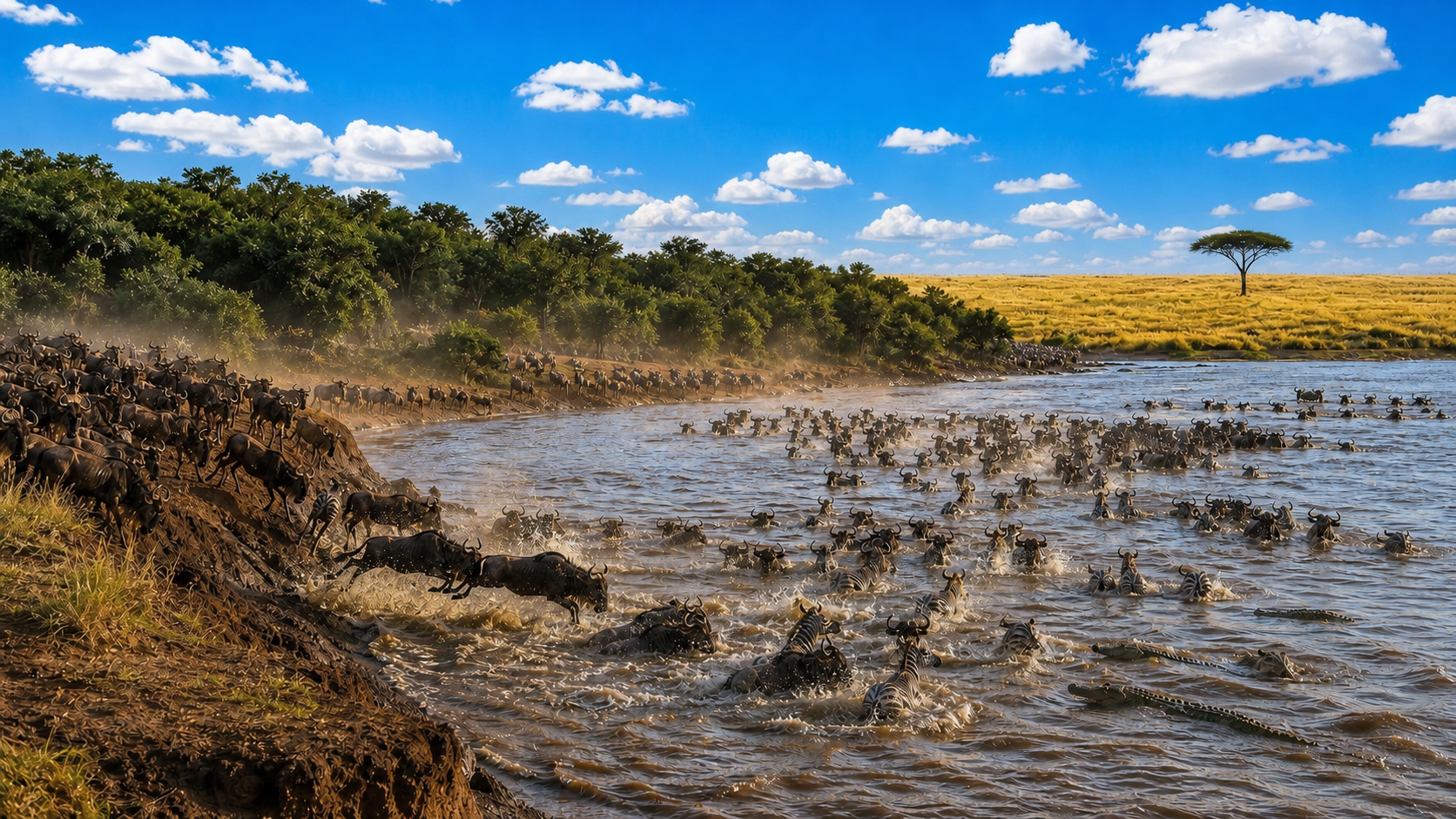
The Great Migration changes location throughout the year. January to March is associated with southern Serengeti and Ndutu calving. Mid-year movement often shifts through the Serengeti, while July to October is commonly associated with northern Serengeti and Mara River crossing interest. Migration timing depends on rainfall and grazing, so travelers should plan with flexibility.
Is December a good time for safari in Africa?
Yes, December can be a good safari month, especially for family holidays, honeymoons, safari-and-beach trips, and gorilla trekking combinations. It is also a popular festive-season travel period, so early booking is important.
Final Thoughts
The best time to visit Africa for safari depends on the season, destination, and wildlife experience you want most.
Dry-season months offer classic wildlife viewing, easier visibility, and strong game-drive conditions. Green-season months offer color, atmosphere, newborn wildlife, migratory birds, and excellent photography. Shoulder months can create a good balance between quieter parks and rewarding sightings.
Africa rewards travelers in every season, but not every destination is at its best at the same time. A strong safari plan matches the month to the right parks, the right route, and the right pace.
From Kenya’s savannahs and Tanzania’s Serengeti plains to Uganda’s rainforests, Rwanda’s volcanic slopes, Zambia’s river valleys, South Africa’s private reserves, and the Indian Ocean coastline, every month offers a different reason to travel.
Planning a safari around your travel month? Share your dates with Diwaka Safaris, and the team can recommend the destinations, parks, and route that make the most sense for that season.