Big Five Safaris in Africa: Where to See Lions, Leopards, Rhinos, Elephants & Buffalo
For many travelers, the phrase Big Five safari still carries a special kind of excitement.
It means searching for lions in open grassland, watching elephants move through dust and shade, spotting buffalo in large herds, scanning trees for leopards, and hoping for the rare privilege of seeing rhinos in protected landscapes.
The Big Five are:
- Lion
- Leopard
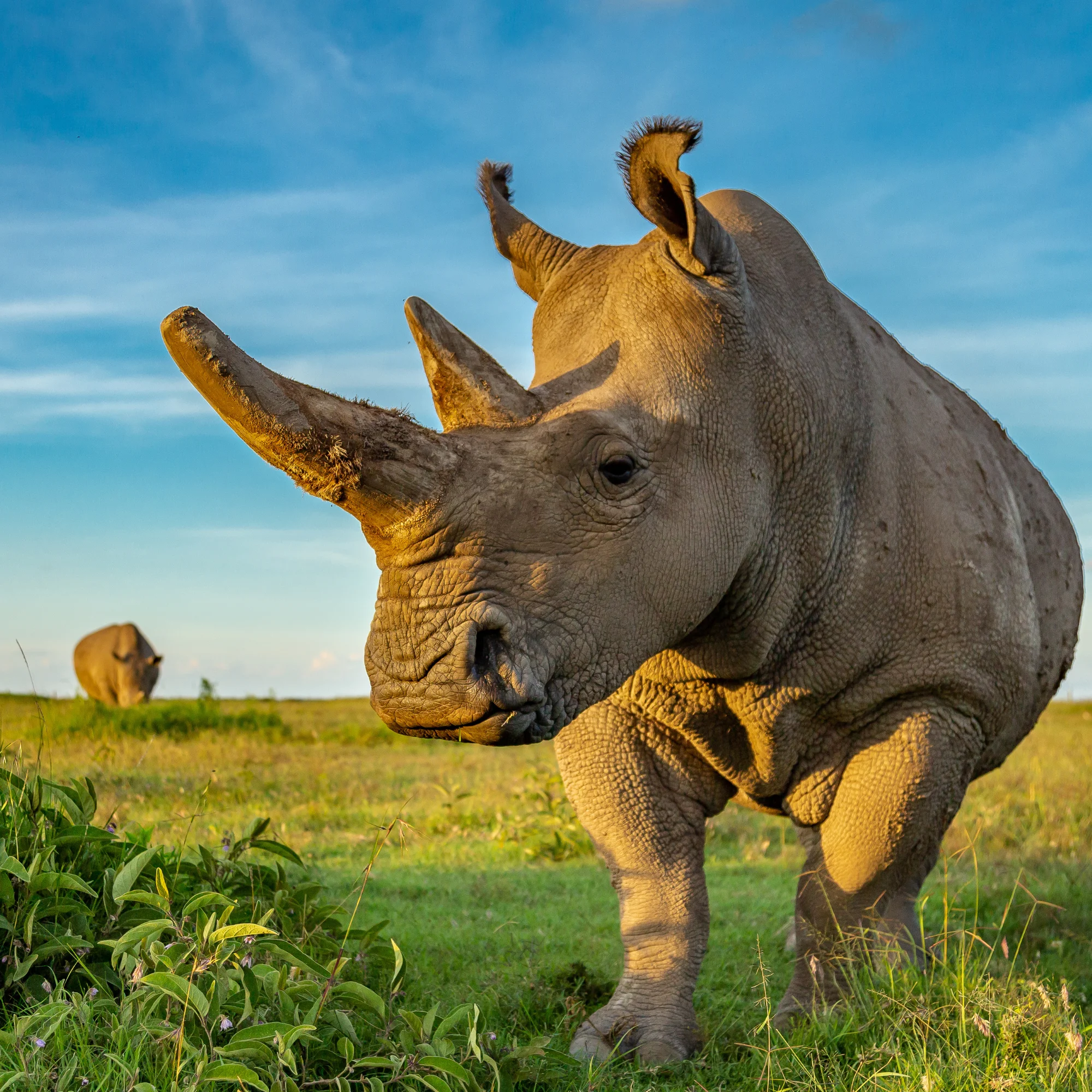
- Rhino
- Elephant
- African buffalo
The term originally came from the old hunting era, when these animals were considered among the most difficult and dangerous to track on foot. Today, the meaning has changed. For modern safari travelers, the Big Five are a wildlife-viewing goal, a conservation story, and a classic way to understand Africa’s most iconic large mammals.
A Big Five safari can be extraordinary, but it should be planned with realistic expectations. These animals are wild. Sightings are never guaranteed. Some parks are excellent for elephants and lions but weak for rhinos. Some destinations are famous for leopards but require patience. Others offer a strong chance of seeing all five, especially when the route is planned carefully.
At Diwaka Safaris, we recommend treating the Big Five as a focus rather than a checklist. The best safari is not only about ticking off five animals. It is about choosing the right parks, allowing enough time, and enjoying everything that happens along the way.
Where Can You See the Big Five in Africa?
The best places to see the Big Five in Africa are South Africa’s Kruger region and private reserves, Tanzania’s Serengeti and Ngorongoro route, and Kenya’s Masai Mara, Lake Nakuru, Amboseli, and Nairobi National Park combination.
South Africa is often one of the strongest single-country choices for travelers who want a high chance of seeing all five animals in one focused safari. Tanzania is excellent for travelers who want dramatic landscapes, strong lion and leopard country, elephants, buffalo, and a chance of rhino in Ngorongoro Crater. Kenya works best when the route combines different parks, because the Masai Mara is strong for big cats, elephants, and buffalo. At the same time, Lake Nakuru or Nairobi National Park can improve rhino-viewing chances.
For travelers who want Big Five wildlife plus gorilla trekking, Rwanda can combine Akagera National Park with Volcanoes National Park. Uganda is better known for primates and varied wildlife than for a classic Big Five checklist. However, it can still offer excellent sightings of lions, elephants, buffalo, leopards, and river-based wildlife in the right itinerary.
Diwaka Safaris planning note: if your main goal is to see all Big Five, the route matters more than the country name. A well-planned itinerary usually performs better than choosing a single famous park and hoping it has everything.

What Are the Big Five Animals?
The Big Five are lion, leopard, rhino, elephant, and African buffalo.
They are among Africa’s most recognizable safari animals, but each offers a very different viewing experience.
Lions are often seen in prides, resting in shade or moving during cooler hours. Leopards are more secretive and are usually found with patience, strong guiding, and careful scanning of trees, rocks, and thickets. Rhinos are heavily protected in many areas due to conservation efforts. Elephants are widely loved for their intelligence, family behavior, and powerful presence. Buffalo may look calm from a distance, but they are among Africa’s most formidable large animals.
A good Big Five safari should explain these animals, not just list them.
That is why the right guide matters. Expert guides help travelers understand tracks, behavior, habitat, and movement, as well as how each animal fits into the wider ecosystem.
Can You See All Big Five on One Safari?
Yes, it is possible to see all Big Five on one safari, but the chances depend heavily on the destination and itinerary.
Some areas offer a stronger possibility of seeing all five within a single country. South Africa’s Kruger region and private reserves are well known for Big Five safaris. Tanzania’s Ngorongoro Crater can offer strong Big Five potential, especially because rhinos are present in the crater area. Kenya can also create a strong Big Five-focused route by combining destinations such as the Masai Mara National Reserve, Lake Nakuru, Amboseli National Park, and other wildlife areas.
However, not every famous safari park is a complete Big Five destination. Some are outstanding for lions, elephants, or buffalo but less reliable for rhinos or leopards.
Diwaka Safaris planning note: if seeing all Big Five matters to you, say so early in the planning process. The route can then include parks and reserves that improve the chances without making the itinerary feel rushed.
Best Countries for Big Five Safaris in Africa
|
Country |
Big Five Strength |
Why It Works |
|
South Africa |
Very strong |
Kruger region and private reserves are among Africa’s most reliable Big Five safari areas. |
|
Tanzania |
Strong |
Serengeti, Ngorongoro, Tarangire, and Lake Manyara create excellent wildlife variety. |
|
Kenya |
Strong with the right route |
Masai Mara, Lake Nakuru, Amboseli, Tsavo, and other parks can create a rewarding Big Five-focused safari. |
|
Rwanda |
Good in Akagera |
Akagera National Park adds a Big Five-style savannah safari to Rwanda’s gorilla and rainforest experiences. |
|
Uganda |
Good wildlife, not always Big Five-first |
Uganda is better known for its primates, but select parks offer excellent wildlife, including buffalo, elephants, lions, and leopards. |
|
Zambia |
Excellent wildlife, route-dependent |
Zambia is superb for wilderness and guiding, though Big Five-focused routes need careful planning. |
Where to See Lions in Africa
Lions are among the most sought-after animals on safari. They are powerful, social, and often easier to observe than leopards because they live in prides and may spend long hours resting in visible areas.
The best lion sightings often happen early in the morning, late in the afternoon, or around prey-rich areas where prides are active.
Strong lion destinations include:
- Masai Mara Game Reserve, Kenya
- Serengeti National Park, Tanzania
- Ngorongoro Crater, Tanzania
- Queen Elizabeth National Park, Uganda
- Akagera National Park, Rwanda
- South Africa’s Kruger region and private reserves
- Zambia’s major wilderness areas
Kenya and Tanzania are especially strong for classic lion viewing because open landscapes can make prides easier to see. The Masai Mara and Serengeti are among the most famous lion-viewing regions in Africa.
Diwaka Safaris planning note: for lions, early starts matter. Many of the best predator moments happen before the day becomes hot.

Where to See Leopards in Africa
Leopards are usually the most elusive of the Big Five.
They are solitary, secretive, and often active in low light. They may rest in trees, move through thickets, or disappear into rocky areas. Seeing a leopard requires patience, strong guiding, and sometimes a little luck.
Strong leopard destinations include:
- Masai Mara Game Reserve, Kenya
- Serengeti National Park, Tanzania
- South Africa’s private reserves and Kruger region
- Samburu National Reserve, Kenya
- Ruaha National Park, Tanzania
- Queen Elizabeth National Park, Uganda
- Zambia’s major safari regions
Leopard sightings are often better with experienced guides who understand favored territories, trees, river lines, kopjes, and movement patterns.
Diwaka Safaris planning note: do not rush leopard country. Slow driving, quiet scanning, and patience can make the difference between missing and finding one of Africa’s most beautiful cats.

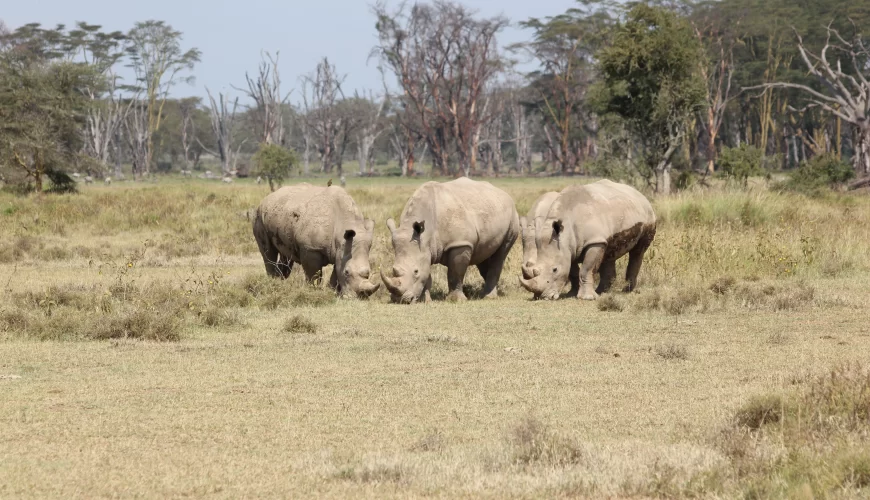
Where to See Rhinos in Africa
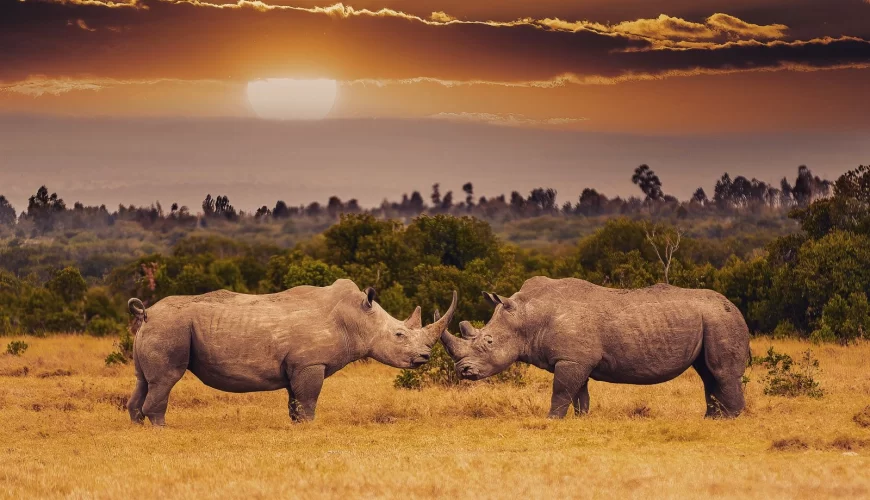
Rhinos are often the most difficult Big Five animal to include because their populations are heavily protected and their range is more limited than elephants, buffalo, lions, or leopards.
For many travelers, seeing a rhino is one of the most meaningful safari moments because it connects directly to conservation.
Strong rhino destinations include:
- Lake Nakuru, Kenya
- Nairobi National Park, Kenya
- Ngorongoro Crater, Tanzania
- South Africa’s Kruger region and private reserves
- Akagera National Park, Rwanda
- Selected protected conservancies and reserves
In Kenya, Lake Nakuru is one of the most useful stops for travelers who want to improve their chances of seeing rhinos as part of a wider itinerary. Nairobi National Park can also be valuable for travelers with limited time near the city.
In Tanzania, the Ngorongoro Crater can be important for Big Five-focused routes because rhino sightings are possible there, though they are never guaranteed.
Diwaka Safaris planning note: rhino viewing should be planned thoughtfully. If rhinos are a priority, the itinerary should include at least one area known for rhino conservation and protection.

Where to See Elephants in Africa
Elephants are among the most memorable animals on safari.
They are intelligent, social, expressive, and often deeply moving to watch. A herd moving across open plains, drinking at a waterhole, protecting calves, or feeding quietly near a vehicle can become one of the strongest memories of a safari.
Strong elephant destinations include:
- Amboseli National Park, Kenya
- Tarangire National Park, Tanzania
- Tsavo East National Park, Kenya
- Tsavo West National Park, Kenya
- Serengeti National Park, Tanzania
- Queen Elizabeth National Park, Uganda
- Murchison Falls National Park, Uganda
- Zambia’s river and wilderness regions
- South Africa’s Kruger region
Amboseli is especially famous for elephant photography with Mount Kilimanjaro in the background. Tarangire is excellent for elephants and baobab landscapes, particularly when wildlife gathers near the Tarangire River. Tsavo offers a wilder, red-earth elephant experience.
Diwaka Safaris planning note: elephants are not only about size. Watch their family behavior, communication, and the care they take in protecting calves. These details often make the sighting more memorable.

Where to See African Buffalo
African buffalo are sometimes overlooked because travelers focus more on big cats, elephants, and rhinos. But buffalo are a major part of the Big Five story.
They are powerful, alert, and often seen in herds. Older males may appear alone or in small groups, while larger herds can create dramatic scenes as they move through grasslands, woodland, or near water.
Strong buffalo destinations include:
- Masai Mara Game Reserve, Kenya
- Serengeti National Park, Tanzania
- Ngorongoro Crater, Tanzania
- Queen Elizabeth National Park, Uganda
- Murchison Falls National Park, Uganda
- Kafue National Park, Zambia
- Lower Zambezi National Park, Zambia
- South Africa’s Kruger region
Buffalo are often easier to see than leopards or rhinos, but that does not make them less interesting. Their behavior around predators, water, and herd movement can be fascinating when explained by a good guide.
Diwaka Safaris planning note: buffalo sightings become more interesting when travelers understand their role in predator-prey dynamics, especially in lion country.

Best Parks for Big Five Safaris
|
Park or Region |
Country |
Big Five Strength |
|
Masai Mara Game Reserve |
Kenya |
Excellent for lions, leopards, elephants, and buffalo; rhino requires careful routing elsewhere. |
|
Lake Nakuru |
Kenya |
Strong rhino destination; useful for Big Five-focused Kenya routes. |
|
Nairobi National Park |
Kenya |
Important rhino-viewing option close to Nairobi. |
|
Amboseli National Park |
Kenya |
Excellent for elephants; strong addition to Kenya Big Five routes. |
|
Serengeti National Park |
Tanzania |
Excellent for lions, leopards, elephants, and buffalo. |
|
Ngorongoro Crater |
Tanzania |
Strong Big Five potential, including rhino possibility. |
|
Tarangire National Park |
Tanzania |
Excellent for elephants and buffalo, with predator sightings possible. |
|
Akagera National Park |
Rwanda |
Rwanda’s main Big Five-style savannah destination. |
|
Queen Elizabeth National Park |
Uganda |
Strong for lions, buffalo, elephants, and wider wildlife viewing. |
|
Murchison Falls National Park |
Uganda |
Good for elephants, buffalo, lions, and river-based wildlife. |
|
Kruger region/private reserves |
South Africa |
One of Africa’s strongest Big Five safari areas. |
|
Lower Zambezi/Kafue |
Zambia |
Excellent wilderness and wildlife, but Big Five planning depends on the route. |
Sample Big Five Safari Route Ideas
Kenya Big Five-Focused Safari
A strong Kenya route can combine Masai Mara, Lake Nakuru, Amboseli, and possibly Nairobi National Park depending on arrival plans.
This type of itinerary works well because each area contributes something different. Masai Mara is strong for lions, leopards, elephants, and buffalo. Lake Nakuru and Nairobi National Park improve rhino chances. Amboseli adds some of Africa’s most iconic elephant scenery.
Tanzania Big Five-Focused Safari
A Tanzania route can combine Serengeti, Ngorongoro Crater, Tarangire, and Lake Manyara.
Serengeti is excellent for lions, leopards, elephants, and buffalo. Ngorongoro offers dramatic scenery and the chance to see rhinos. Tarangire strengthens the elephant experience, especially for travelers who enjoy dry-country landscapes and baobab scenery.
Planning a Tanzania Big Five safari? Diwaka Safaris can design a Serengeti, Ngorongoro, Tarangire, and Lake Manyara route that gives you strong wildlife variety without rushing the journey.
Rwanda Big Five and Gorilla Safari
Rwanda can offer an interesting combination for travelers who want Big Five-style savannah wildlife and primates in one compact country.
A route can include Akagera National Park for savannah wildlife, Volcanoes National Park for gorilla trekking, and Kigali for cultural context and smooth logistics.
This is not the same as a classic Kenya or Tanzania Big Five safari. Still, it is excellent for travelers who want a variety of wildlife in a shorter, well-connected journey.
Interested in Big Five wildlife and gorilla trekking in one trip? Diwaka Safaris can pair Akagera National Park with Volcanoes National Park and Kigali for a compact Rwanda safari.
Uganda Wildlife and Primate Safari
Uganda is better known for primates than Big Five-focused safaris, but it offers excellent wildlife variety.
A route can combine Murchison Falls National Park, Queen Elizabeth National Park, Kibale National Park, and Bwindi Impenetrable Forest.
This works well for travelers who want lions, elephants, buffalo, boat safaris, chimpanzees, and gorillas within one country.
South Africa Big Five Safari
South Africa is one of the easiest countries for a focused Big Five safari, especially around the Kruger region and private reserves.
It works well for travelers who want strong wildlife viewing, luxury lodges, smooth logistics, and the option to combine a safari with Cape Town, wine regions, the coast, or city experiences.
This route is especially attractive for first-time luxury travelers, families, and guests who want a high-comfort safari with strong Big Five potential.
Want a high-comfort Big Five safari? Diwaka Safaris can help compare South Africa with Kenya, Tanzania, Rwanda, or a multi-country safari depending on your wildlife goals.
What Is the Best 7-Day Big
Five Safari Route?
The best 7-day Big Five safari route depends on the country, but the strongest
itineraries usually combine two or three complementary wildlife areas rather
than trying to visit too many parks.
For Kenya, a focused 7-day Big Five route can combine Masai Mara, Lake Nakuru,
and Amboseli. Masai Mara is strong for lions, leopards, elephants, and buffalo.
Lake Nakuru improves rhino chances. Amboseli adds iconic elephant viewing and
Kilimanjaro scenery.
For Tanzania, a strong 7-day route can combine Serengeti, Ngorongoro Crater,
and Tarangire. Serengeti offers excellent big-cat country and classic wildlife
viewing. Ngorongoro adds rhino possibility and dense wildlife scenery.
Tarangire strengthens the elephant experience.
For South Africa, a 7-day safari can focus on the Kruger region and private
reserves, making it one of the strongest options for travelers who want a
high-probability Big Five safari without moving between too many destinations.
For Rwanda, a 7-day route can combine Akagera National Park with Volcanoes
National Park and Kigali. This works best for travelers who want Big Five-style
savannah wildlife plus gorilla trekking, not only a traditional Big Five
checklist.
Diwaka Safaris planning note: a 7-day Big Five safari should not feel rushed.
Choose the route that gives each destination enough time to produce quality
sightings.
How Many Days Do You Need for a Big Five Safari?
For a focused Big Five safari, 5 to 8 days is usually a good starting point.
A shorter itinerary can work if the destination has strong Big Five concentration, such as South Africa’s Kruger region or Tanzania’s Ngorongoro and Serengeti combination. In Kenya, a Big Five-focused route often benefits from combining several parks, so 6 to 9 days can feel more comfortable.
For travelers who want Big Five wildlife plus gorilla trekking, beach relaxation, or multiple countries, 10 to 14 days is usually more realistic.
The key is not simply adding more parks. The key is choosing areas that complement each other.
Diwaka Safaris planning note: if the Big Five are important, avoid rushing between parks. Give each destination enough time to produce quality sightings.
Realistic Expectations for Big Five Safaris
A Big Five safari should be exciting, but it should also be realistic.
Wildlife is not staged. A traveler may see lions on the first morning and wait several days for a leopard. Elephants and buffalo may be easy in one destination, while rhinos require a specific park or protected area. Weather, vegetation, time of day, animal movement, and guiding all affect sightings.
This is why a good Big Five itinerary should not depend on a single park unless that park is especially strong for all five. Combining complementary destinations usually gives travelers a better chance.
It is also important not to ignore everything outside the Big Five. Giraffes, zebras, cheetahs, hippos, crocodiles, hyenas, antelope, birds, primates, landscapes, and cultural experiences often become just as memorable.
Diwaka Safaris planning note: the Big Five can guide the route, but they should not limit the safari. The best wildlife journeys leave space for surprise.
Big Five Safari Planning Mistakes to Avoid
Assuming Every Safari Park Has All Big Five
Many excellent safari parks do not have all Big Five species. Some are outstanding for elephants or lions but not rhinos. Others have leopards, but sightings may be rare. Always match the animal goal with the right park.
Ignoring Rhino Conservation Areas
Rhinos are the most route-sensitive of the Big Five for many travelers. If seeing rhinos matters, include a destination known for rhino protection, such as Lake Nakuru, Nairobi National Park, Ngorongoro Crater, South African reserves, or Akagera.
Rushing the Itinerary
Big Five safaris require patience. A rushed itinerary may cover many parks but still produce fewer quality sightings. Time in the right areas is more important than the number of stops.
Focusing Only on the Checklist
The Big Five are exciting, but they are not the whole safari. Some of the best memories may come from animals outside the Big Five, landscapes, guiding stories, or quiet moments in the bush.
Choosing the Wrong Destination for Your Main Animal
If elephants matter most, Amboseli, Tarangire, Tsavo, or Kruger-style regions may be strong choices. If rhinos matter most, Lake Nakuru, Nairobi National Park, Ngorongoro, South Africa, or Akagera may be more important. If leopards matter most, choose areas with strong guiding and enough time.
Frequently Asked Questions About Big Five Safaris in Africa
What are the Big Five animals in Africa?
The Big Five are lion, leopard, rhino, elephant, and African buffalo. The term originated in the hunting era, but today it is mainly used by safari travelers to describe five of Africa’s most iconic large mammals.
Where is the best place to see the Big Five in Africa?
South Africa’s Kruger region and private reserves are among the strongest Big Five safari areas. Tanzania’s Serengeti and Ngorongoro route and Kenya’s Masai Mara, Lake Nakuru, and Amboseli combination can also create excellent Big Five-focused safaris.
Can I see all Big Five in Kenya?
Yes, it is possible with the right route. Masai Mara is excellent for lions, leopards, elephants, and buffalo, while Lake Nakuru and Nairobi National Park can improve rhino-viewing chances. Amboseli adds one of Africa’s strongest elephant experiences.
Can I see all Big Five in Tanzania?
Tanzania offers strong Big Five potential, especially with a route that includes Serengeti, Ngorongoro Crater, Tarangire, and Lake Manyara. Serengeti is excellent for big cats and large mammals, while Ngorongoro can improve rhino chances.
Which Big Five animal is hardest to see?
Leopards and rhinos are often the hardest Big Five animals to see. Leopards are secretive and solitary, while rhinos are found only in protected areas in many destinations. Good guiding and careful route planning improve the chances.
Where can I see rhinos on safari?
Strong rhino-viewing areas include Lake Nakuru, Nairobi National Park, Ngorongoro Crater, South Africa’s Kruger region and private reserves, and Akagera National Park in Rwanda. Rhino sightings are never guaranteed, but these areas can improve the chances.
Where can I see elephants in Africa?
Excellent elephant destinations include Amboseli, Tarangire, Tsavo East, Tsavo West, Serengeti, Queen Elizabeth National Park, Murchison Falls National Park, Zambia’s river regions, and South Africa’s Kruger region.
Is the Big Five the best safari goal?
The Big Five are a classic safari goal, but they should not be the only goal. Many travelers also love cheetahs, giraffes, zebras, hippos, crocodiles, birds, primates, landscapes, culture, and camp atmosphere. The Big Five can guide the safari, but the best trips leave room for everything else.
How long should a Big Five safari be?
A Big Five safari can work in 5 to 8 days if the route is focused. Kenya and Tanzania often benefit from 6 to 9 days because combining parks improves the chances. If adding gorilla trekking, beach relaxation, or multiple countries, 10-14 days is more realistic.
How can Diwaka Safaris help plan a Big Five safari?
Diwaka Safaris can help match your Big Five goals with the right countries, parks, lodges, route, and number of days. The team can recommend where to focus if lions, leopards, rhinos, elephants, or buffalo are especially important to your safari.
Which country has the
highest chance of seeing the Big Five in 7 days?
South Africa is often one of the strongest choices for seeing the Big Five in 7
days, especially around the Kruger region and private reserves. Kenya and
Tanzania can also work very well, but they usually require combining
complementary parks such as Masai Mara and Lake Nakuru in Kenya, or Serengeti
and Ngorongoro in Tanzania.
Is Kruger or Serengeti better for a Big Five safari?
Kruger and nearby private reserves are usually better for a focused Big Five
safari, especially for rhino and leopard. Serengeti is better for travelers who
want vast open landscapes, big cats, wildlife movement, and a classic East
Africa safari atmosphere. For Tanzania Big Five planning, Serengeti works best
when combined with Ngorongoro Crater.
Is Masai Mara a Big Five destination?
Masai Mara is excellent for lions, leopards, elephants, and buffalo, but rhino sightings are not the main reason most travelers visit the Mara. For a stronger Kenya Big Five route, combine Masai Mara with Lake Nakuru or Nairobi National Park.Where is the best place to see leopards in Africa?
South Africa’s private reserves are among the strongest leopard-viewing areas because of specialized guiding and known leopard territories. In East Africa, Masai Mara, Serengeti, Samburu, Ruaha, and Queen Elizabeth National Park can also offer leopard sightings with enough time and strong guiding.
Where is the best place to see rhinos in East Africa?
Strong rhino-viewing options in East Africa include Lake Nakuru and Nairobi National Park in Kenya, Ngorongoro Crater in Tanzania, and Akagera National Park in Rwanda. Rhinos are route-sensitive, so travelers should include a specific rhino area if this animal is important.Can I combine a Big Five safari with gorilla trekking?
Yes. Rwanda and Uganda are good options for combining savannah wildlife with gorilla trekking. Rwanda can pair Akagera National Park with Volcanoes National Park, while Uganda can combine wildlife parks such as Queen Elizabeth or Murchison Falls with Bwindi Impenetrable Forest.
Final Thoughts
A Big Five safari remains one of Africa’s classic wildlife experiences.
Lions, leopards, rhinos, elephants, and buffalo each bring something different to the journey. Lions offer drama and pride behavior. Leopards reward patience. Rhinos bring conservation meaning. Elephants create some of the most emotional wildlife moments. Buffalo add power and presence to the landscape.
But the best Big Five safari is not only about completing a checklist.
It is about choosing the right parks, giving wildlife enough time, trusting expert guides, and staying open to every surprise the bush offers along the way.
For some travelers, the strongest route may be Kenya. For others, it may be Tanzania, South Africa, Rwanda, Uganda, Zambia, or a multi-country journey. The right choice depends on which animals matter most and how you want the safari to feel.
If seeing the Big Five is part of your Africa dream, tell Diwaka Safaris which animals matter most to you, how many days you have, and which countries interest you. The team can help compare Kenya, Tanzania, South Africa, Rwanda, Uganda, and Zambia, then design a route that gives you realistic Big Five potential without rushing the safari.