
Kenya Safaris Destinations
Lake Bogoria National Reserve
⌖ Kenya Safaris
Geysers split the earth without warning, shooting jets of scalding water skyward from the earth's crust, framed by a shoreline that has turned entirely pink. Then the smell hits you; sharp, sulphurous, unmistakable. Lake Bogori...
Wildlife Viewing
Nature Walks
Birding
Cultural Experiences
About Lake Bogoria National Reserve
Geysers split the earth without warning, shooting jets of scalding water skyward from the earth's crust, framed by a shoreline that has turned entirely pink. Then the smell hits you; sharp, sulphurous, unmistakable. Lake Bogoria does not look like anywhere else on earth. It feels like it. You really don't go to Lake Bogoria to look at animals. There are plenty of places in Kenya, never mind the rest of Africa, where the gameviewing is far better. Spotting the odd Zebra or Buffalo wandering along the water's edge is a bonus, and there are good herds of Greater Kudu to be found. But what draws most visitors is the extraordinary Loburu hot springs on the western shore, a landscape of otherworldly, bubbling pools and geysers that shoot columns of steam 2.5–3m (8–10 ft) into the air. Be very careful where you step; the superheated mud here can kill. It is highly scenic, the rich colours of volcanic minerals forming an artist's palette against the sheer face of the Rift Wall; and hanging over it all, unmistakably, the sharp, sulphurous smell that tells you the earth here is still very much alive.
About 260 kilometres (162 miles) north of Nairobi and sitting just below the Equator, Lake Bogoria is one of the smallest and shallowest of the alkaline soda lakes that line the Great Rift Valley, no more than 3 metres deep, with no outlet, fed entirely by rainwater draining off the escarpment. Its size and salinity shift significantly with the seasons. Like its sister lakes along the valley floor, it holds no fish, but its waters are exceptionally rich in blue-green algae, the primary food source of the Lesser Flamingo, which gathers here in numbers that can run into the hundreds of thousands. With the flamingos come a host of other waterbirds and raptors, from African Fish Eagles to Bateleurs.
The lake and its surrounding landscape fall within Lake Bogoria National Reserve, which together with the adjacent Lake Kamnarok National Reserve covers approximately 197 square kilometres (76 square miles) of protected Rift Valley wilderness. Within the reserve, visitors can stay at the lakeside lodge, home to one of Kenya's rare natural geothermal spas, fed directly by the same thermal springs that line the lakeshore, or at one of several campsites, ideal for those who want to spend more time exploring the lake on foot or by boat.
Best Time To Visit
Lake Bogoria National Reserve can be visited year-round and is never crowded, making any season a rewarding choice. The driest and most comfortable months are generally January to February and June to October, with clear skies and accessible tracks throughout the reserve. Flamingo numbers are at their most reliable between August and October, when lower lake levels create optimal feeding conditions, though flamingos are present year-round and their numbers shift unpredictably with water levels and algae availability.
The heaviest rains fall between March and May, and tracks can become muddy during this period. That said, the escarpment turns lush and birdlife activity peaks, making the wet season particularly rewarding for serious birders. Given its semi-arid, low-lying position in the Rift Valley, conditions at Lake Bogoria can vary considerably from year to year, therefore visitors are advised to check current conditions before travel. Early morning visits are strongly recommended at any time of year, both for the best photography light and the most vivid flamingo and geyser activity before the midday heat sets in.
Activities
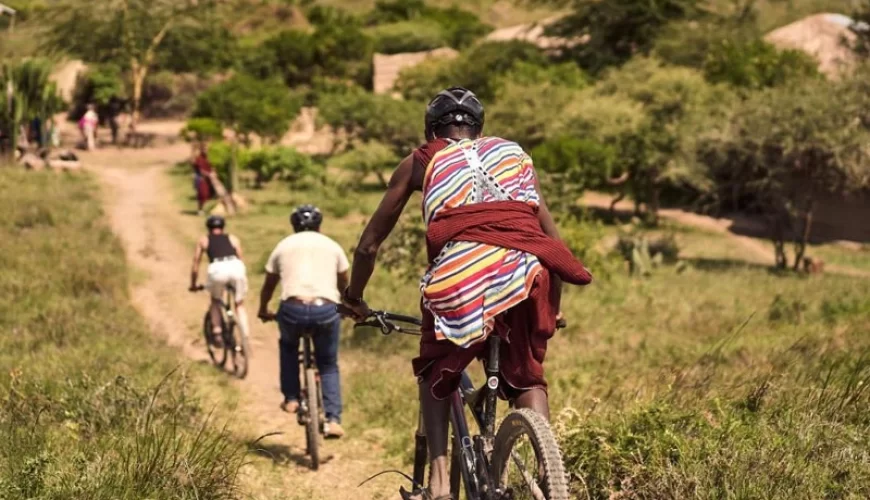
Flamingo & waterbird watching; geothermal geyser & hot spring visits at Loburu; game drives for dry-country wildlife including Greater Kudu and Zebra; guided nature walks; boating on the lake; cultural visits to Endorois and Pokot communities; soak in the natural geothermal spa.
Safaris in Lake Bogoria National Reserve
Hotels in Lake Bogoria National Reserve
No matching hotels for now.