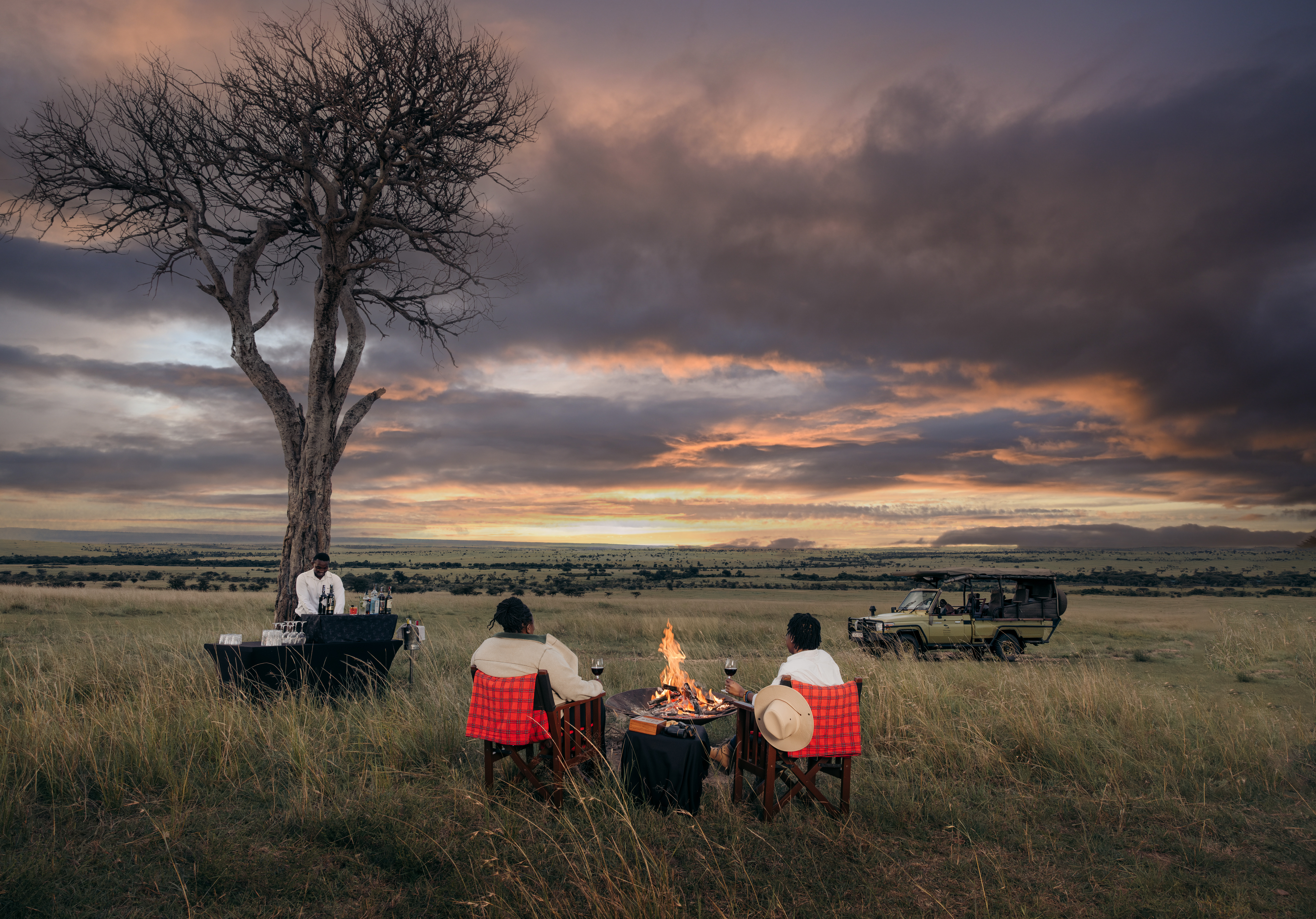
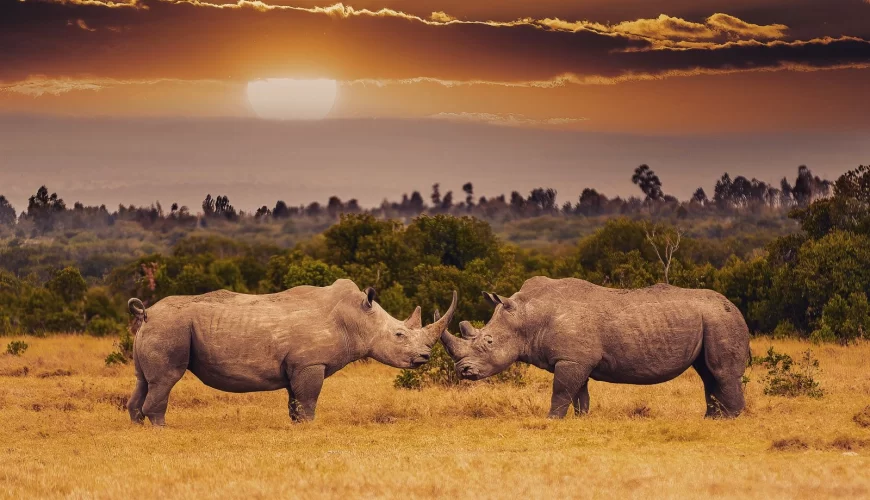
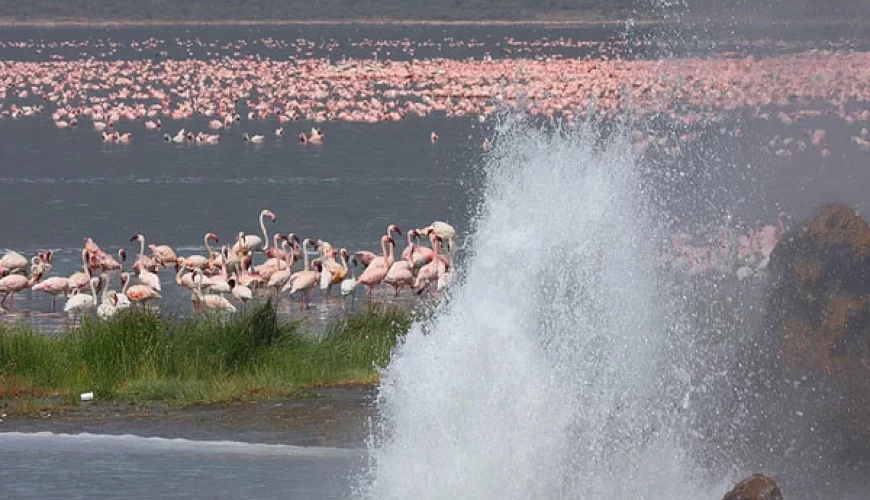
Sibiloi National Park is also special because it offers a true sense of frontier wilderness. It is not a crowded or heavily developed park, which gives it a rare, hidden-gem quality. The expansive desert views, fossil beds, and lakeside scenery make it excellent for photography, exploration, and reflective travel. For visitors who appreciate remote landscapes and meaningful encounters with nature and history, Sibiloi stands out as one of Kenya’s most distinctive parks. Its combination of isolation, beauty, and scientific importance makes it a remarkable place to visit.
What makes Sibiloi National Park especially memorable is the way it blends stark desert beauty with deep cultural and scientific significance. Visitors can experience wide horizons, volcanic landforms, and the edge of Lake Turkana in a setting that feels ancient and powerful. Its mix of rare wildlife, geological features, and archaeological heritage makes it one of the most unusual parks in Kenya. For travelers seeking something different, Sibiloi National Park provides a rewarding and unforgettable journey into one of the country’s most remote wild places.
Best Time to Visit
The best time to visit Sibiloi National Park is during the dry seasons, especially from January to March and June to October, when access is easier and wildlife is more visible around the lake and water sources. These months are ideal because the roads are generally more passable, the weather is more favorable for travel, and sightseeing is more comfortable. The clear skies also make the landscapes and fossil areas more dramatic for photography. Although the park can be visited at other times, the dry season usually offers the best overall experience.
Activities
Activities at Sibiloi National Park include game viewing, birdwatching, photography, sightseeing, and exploring archaeological and fossil sites. Visitors can travel through the park’s desert plains, lakeshore areas, and volcanic landscapes while looking out for wildlife adapted to harsh conditions. The park is also a fascinating place for learning about prehistoric discoveries and the natural history of the region. For travelers seeking a remote and meaningful safari experience, Sibiloi National Park offers a unique and memorable visit.