Lake Naivasha
The hippos surface without warning; a slow, grey emergence from waters fringed by yellow fever acacias and papyrus. Lake Naivasha moves at its own pace. It always has. Lake Naivasha is home to one of East Africa's largest hippo...
The hippos surface without warning; a slow, grey emergence from waters fringed by yellow fever acacias and papyrus. Lake Naivasha moves at its own pace. It always has. Lake Naivasha is home to one of East Africa's largest hippo populations and over 400 recorded bird species, making every boat trip on the lake a genuinely unpredictable wildlife encounter. In the vicinity lie two smaller lakes worth exploring: Lake Oloiden and Lake Sonachi, a vivid green crater lake with its own game sanctuary. The Naivasha shoreline carries a long and layered colonial history; this was frontier country for European settlers, and between 1937 and 1950, the lake served as a landing place for Imperial Airways flying boats on the passenger and mail route from Southampton to South Africa, linking Kisumu and Nairobi in an era when the journey itself was the adventure.
The shores of Lake Naivasha have long attracted larger-than-life characters. Joy Adamson, author of 'Born Free', lived here in the mid-1960s, writing and painting against a backdrop of acacia woodland and open water. The Djinn Palace, a striking colonial-era mansion, gained notoriety during the Happy Valley years between the two World Wars, when the Rift Valley was a playground for scandal and excess. It now forms part of the Oserian Flower Farm, one of the largest flower farms in Africa and the foundation of the floriculture industry that defines the Naivasha economy today.
The lake sustains far more than flowers. Fishing has long provided employment and income for local communities, and the town of Naivasha on the lake's northeastern edge remains a busy regional hub. Beneath the surrounding hills, the Olkaria geothermal area, first commissioned in 1981 and now one of the most significant geothermal areas in Africa, draws energy from the same volcanic forces that shaped the Rift Valley itself.
The lake's water level has always told a story of dramatic change; it nearly dried up in the 1890s, recovered, and peaked again in the late 1960s. Since 2010, a remarkable reversal has unfolded; driven by intensified rainfall patterns linked to climate change, Lake Naivasha has been steadily rising, with its waters expanding and its shoreline pushing outward in ways not seen for generations. This natural rhythm of rise and retreat is part of what makes Lake Naivasha one of East Africa's most dynamic and fascinating freshwater ecosystems; a living lake, always evolving, always worth experiencing.
Best Time To Visit
Lake Naivasha rewards visitors year-round, but the dry seasons: July to October; and January to February, offer the finest conditions. Skies are clear, vegetation opens up, and wildlife is most easily spotted along the shoreline and in the neighbouring Hell's Gate National Park. Hippos bask closer to the water's edge, boat trips are calm, and the lake's 400-plus bird species are at their most active and visible.
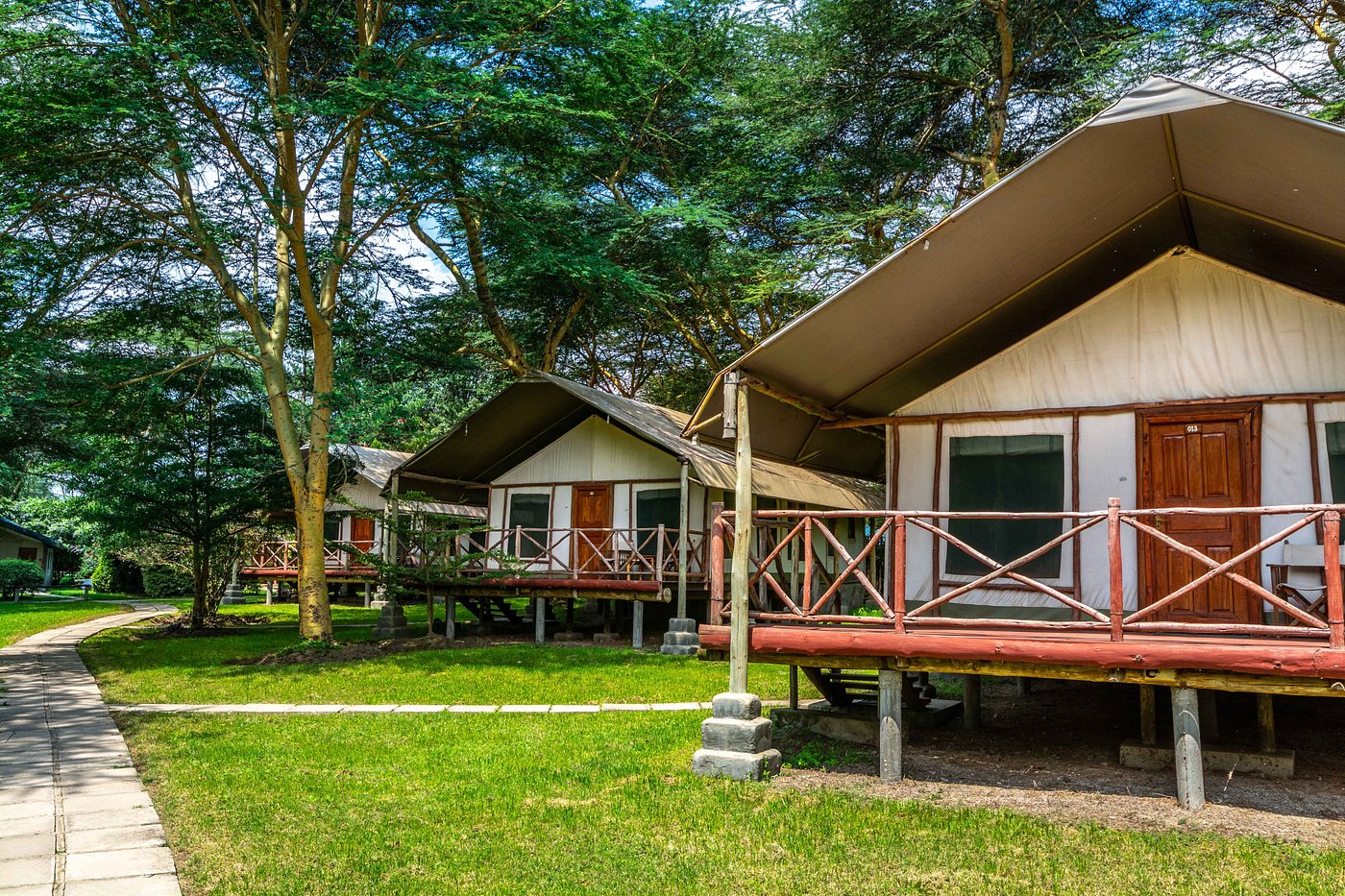
The rainy seasons bring their own quiet appeal. The long rains of March to May transform the landscape into vivid green, push birdlife to its annual peak, and come with fewer visitors and more favourable rates at lakeshore hotels and camps. The lighter short rains of November to December follow a similar pattern; brief afternoon showers, a lush shoreline, and a lake that feels unhurried and entirely your own.
Activities
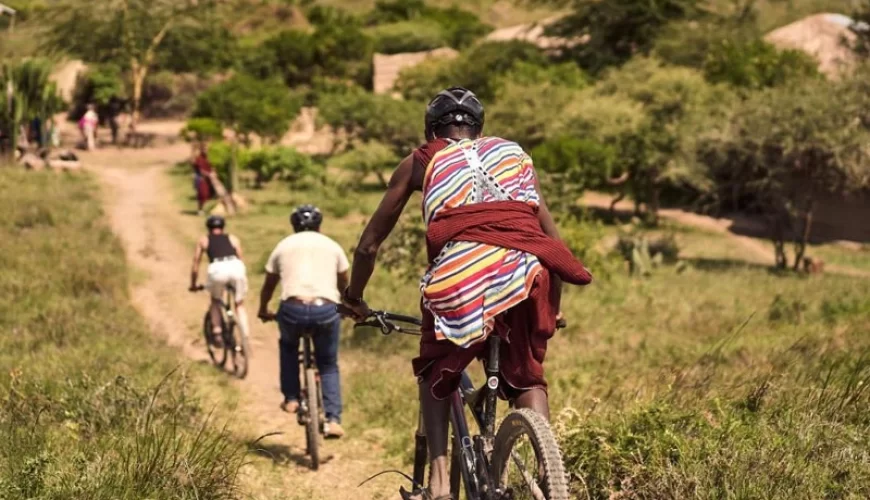
Boat trips on the lake for hippo & birdwatching; walking & cycling freely among wildlife in Hell's Gate National Park; guided nature walks; birdwatching along the papyrus-fringed shoreline; horseback riding through the lakeshore acacia woodland; sport fishing for tilapia & black bass; mountain biking along scenic lakeshore tracks; visiting the Oserian Flower Farm & the historic Djinn Palace.