Kenya Safaris Destinations
Meru National Park
⌖ Kenya Safaris
One of Kenya’s most beautiful and least crowded safari destinations, known for its wide open wilderness, riverine forests, and rich wildlife. Located in eastern Kenya, the park offers a true sense of remoteness and adventure, m...
About Meru National Park
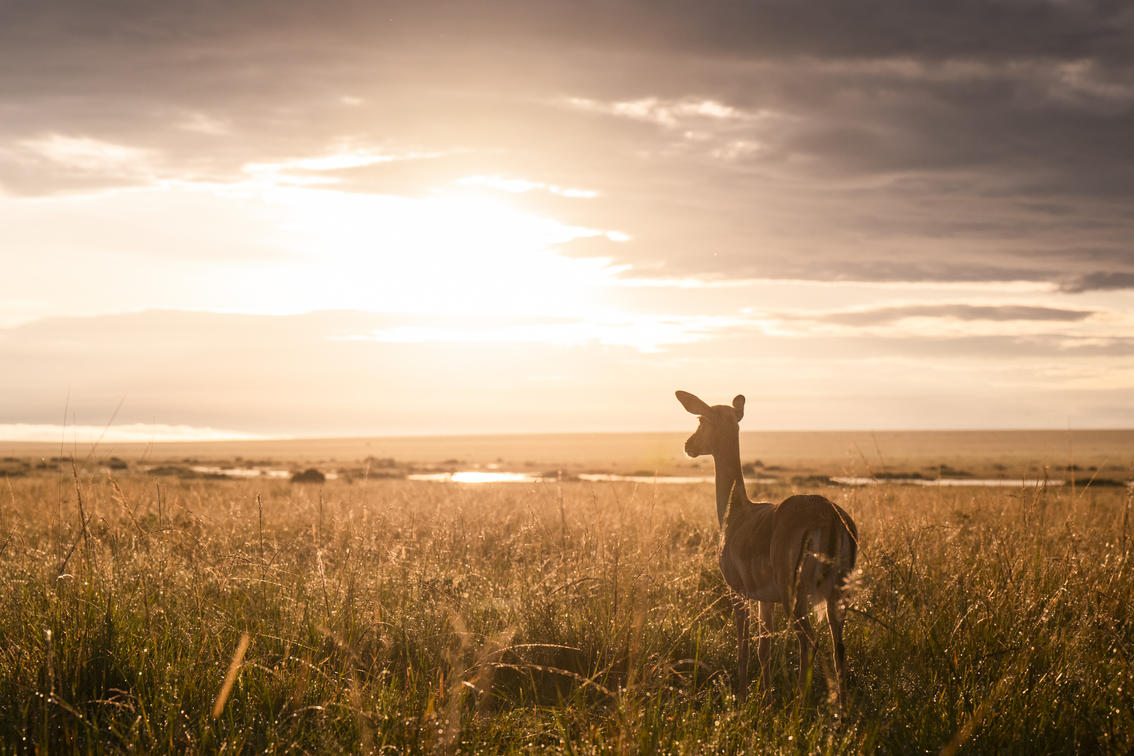
One of Kenya’s most beautiful and least crowded safari destinations, known for its wide open wilderness, riverine forests, and rich wildlife. Located in eastern Kenya, the park offers a true sense of remoteness and adventure, making it ideal for visitors who want a quieter safari experience away from the busier parks. Its landscape is varied and scenic, with rolling plains, acacia woodlands, rivers, and thick vegetation that create a refreshing natural environment.
One of the most appealing features of Meru National Park is its sense of unspoilt wilderness. The park has a raw, natural beauty that feels authentic and peaceful, with fewer tourists and a stronger feeling of being in the wild. The scenery changes across the park, from grassy plains to wooded areas and riverbanks, which gives visitors a more diverse safari experience. This variety also makes the park especially attractive for photographers and travelers who enjoy exploring different landscapes in one place.
Meru National Park is also important for its wildlife and conservation value. It is home to a wide range of animals, including elephants, lions, giraffes, zebras, buffaloes, and rhinos, along with many bird species. The park is especially known for its role in rhino conservation, and its protected areas support some of the region’s most important wildlife populations. Because it is less developed and less busy than many other safari destinations, it offers a more personal and rewarding experience for nature lovers.
In addition to its wildlife, Meru National Park is famous for its connection to the story of Born Free and Elsa the lioness. This gives the park a special place in Kenya’s conservation history and adds cultural and literary interest to a visit. The combination of dramatic scenery, abundant wildlife, and historical significance makes Meru a standout destination for travelers looking for both adventure and meaning in the same journey.
Best Time to Visit
The best time to visit Meru National Park is during the dry season, when roads are easier to access and wildlife viewing is generally better. During these months, animals are easier to spot because they gather near water sources, and the weather is more comfortable for game drives and outdoor activities. The drier period also offers clearer skies and better visibility for photography and sightseeing. Although the park can be visited year-round, the dry season is usually the most convenient and enjoyable time for most travelers.
Activities
Activities in Meru National Park include game viewing, birdwatching, photography, nature walks, camping, and scenic drives through the park’s varied landscapes. Visitors can also enjoy seeing wildlife around rivers and waterholes, as well as visiting conservation sites linked to the Born Free story and rhino protection. The park’s quiet atmosphere makes it especially good for travelers who want a slow, immersive safari experience, with time to appreciate both the wildlife and the natural beauty of the surroundings.
Safaris in Meru National Park
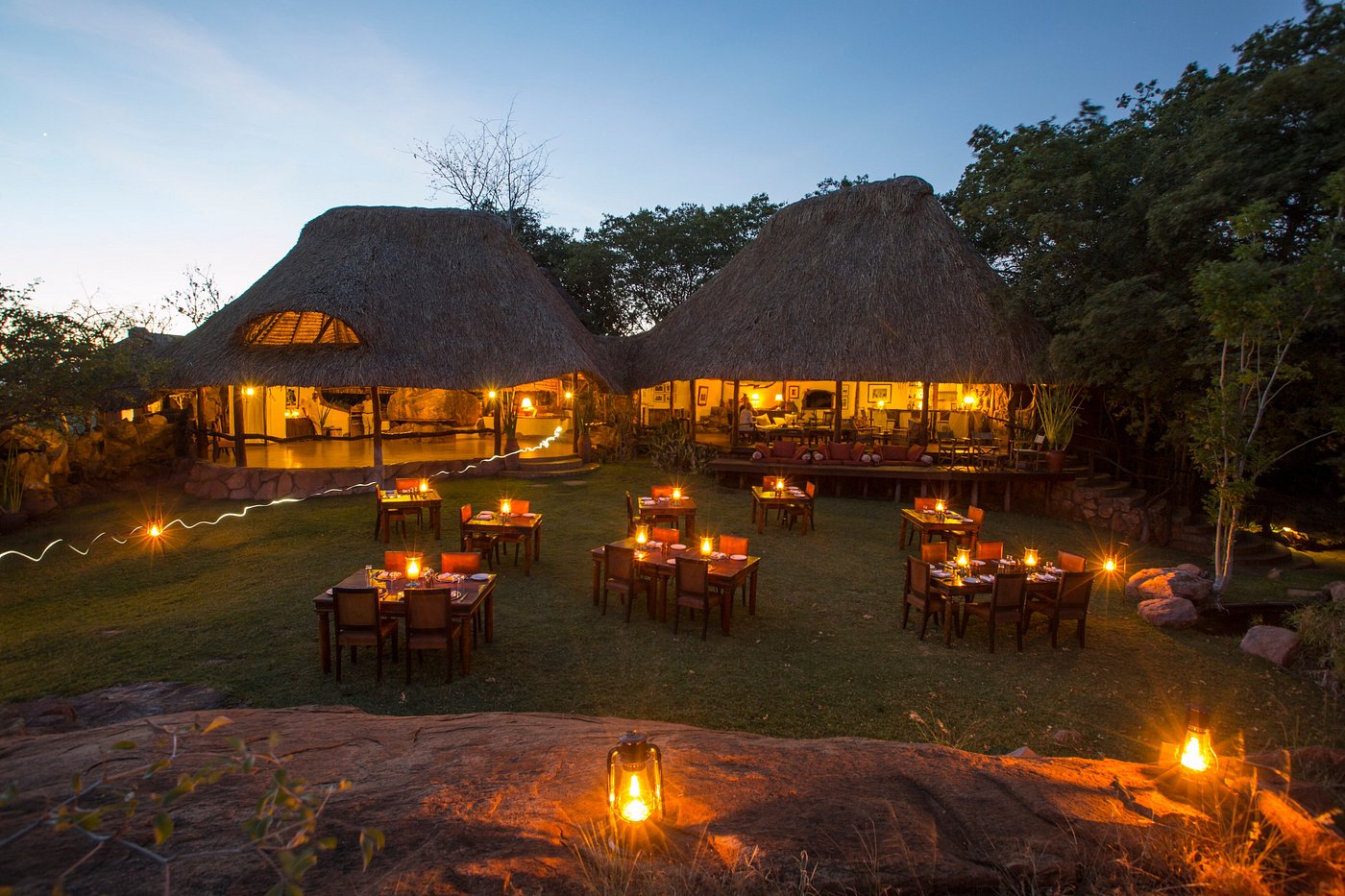
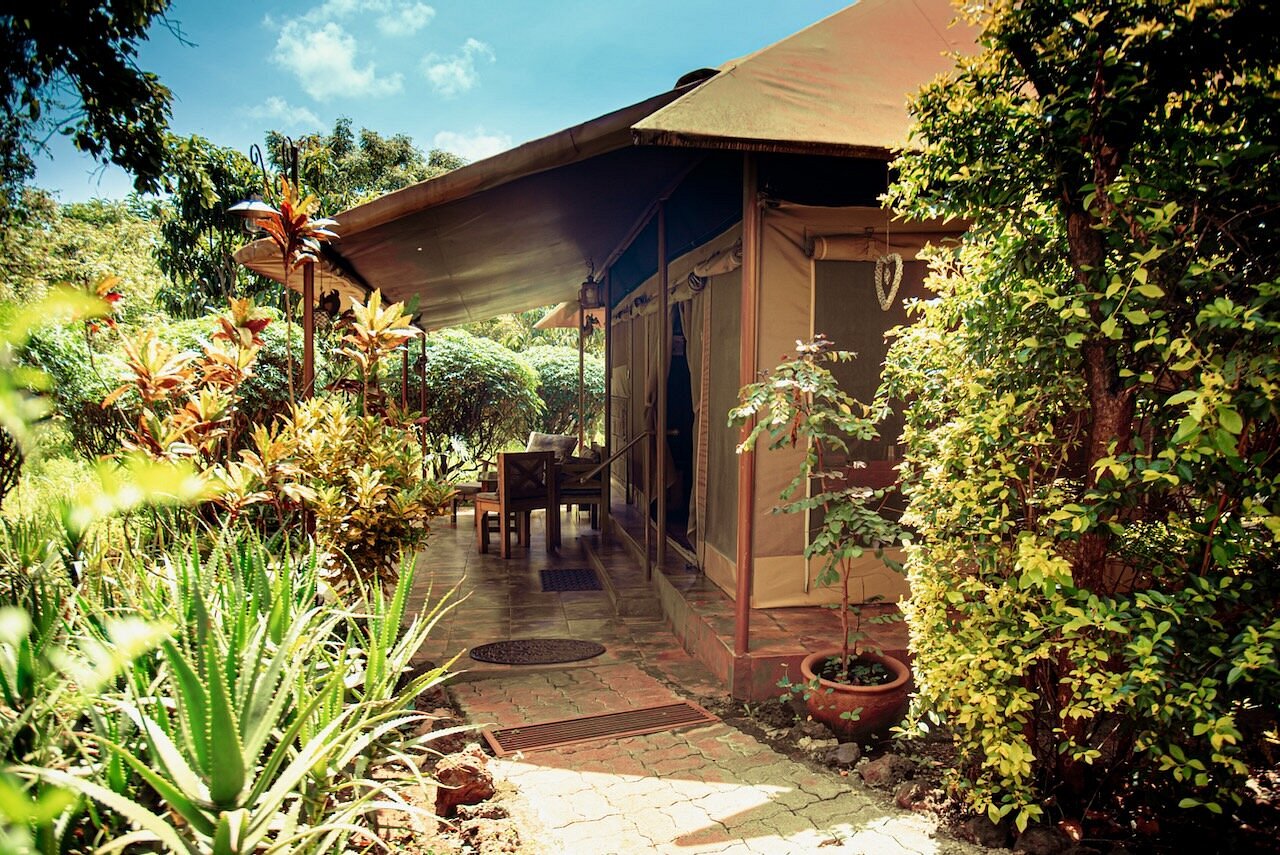
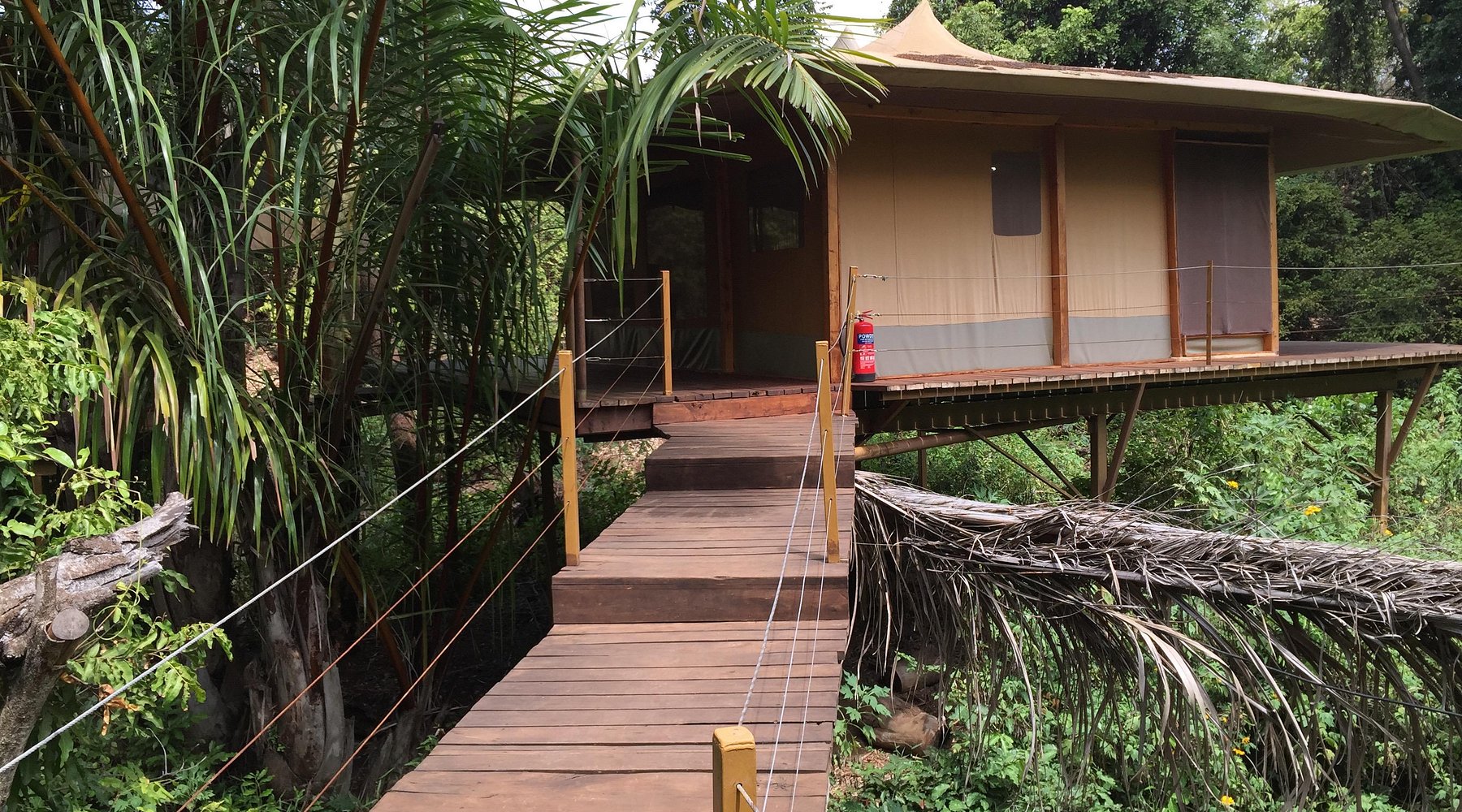
Hotels in Meru National Park