Hidden Safari Gems in Africa You Should Visit Before Everyone Else Does
Not every unforgettable safari happens in the most famous park.
The Serengeti, Maasai Mara, Ngorongoro Crater, Kruger, and Okavango Delta deserve their reputation. They are iconic for a reason. But Africa’s safari map is much wider than the names most travelers hear first.
Some of the most rewarding journeys happen in quieter places: parks where the tracks feel less busy, lodges feel more personal, landscapes stretch without interruption, and wildlife sightings unfold without a crowd of vehicles nearby.
These are the places that reward curiosity.
A hidden safari gem is not necessarily unknown. Many are well-protected, well-loved, and deeply important to conservation. What makes them special is that they still feel spacious. They still offer room to breathe. They give travelers a chance to experience Africa beyond the obvious circuit.
At Diwaka Safaris, we often recommend these destinations to travelers who want something more personal than a standard safari route. They work especially well for returning safari guests, photographers, nature lovers, adventurous couples, and travelers who prefer quiet landscapes over crowded highlights.
This guide explores hidden safari gems across Kenya, Tanzania, Uganda, Rwanda, and Zambia — places worth visiting while they still feel refreshingly under the radar.
Why Look Beyond Africa’s Famous Safari Parks?
Famous safari parks are popular because they deliver powerful wildlife experiences. For many first-time travelers, places such as Maasai Mara, Serengeti, Ngorongoro, Amboseli, and Kruger are excellent choices.
But the most famous route is not always the right route for every traveler.
Some guests want fewer vehicles. Others want unusual landscapes, rare wildlife, forest experiences, desert edges, lakes, remote lodges, or a stronger feeling of discovery. Some travelers have already done a classic safari and are ready for a second journey that feels different.
This is where Africa’s quieter safari destinations become valuable.
They may require more thoughtful planning, but they often reward travelers with:
- More peaceful game drives
- Less crowded viewpoints
- Distinctive scenery
- Stronger sense of wilderness
- More intimate lodge experiences
- Better opportunities for slow travel and photography
- Routes that feel less predictable and more personal
Diwaka Safaris planning note: hidden safari gems are not always the easiest destinations. The best ones are chosen carefully based on season, access, available days, and the kind of experience the traveler wants.
Hidden Safari Gems in Kenya
Kenya is famous for Maasai Mara and Amboseli, but the country also has quieter regions that offer excellent safari variety. These places are ideal for travelers who want to go beyond the classic first-safari route.
1. Laikipia: Kenya’s Private Wilderness Feel
Laikipia is one of Kenya’s most rewarding safari regions for travelers who want space, privacy, and strong conservation stories.
Unlike a single national park, Laikipia is a wider region of conservancies, ranches, wildlife areas, and private reserves. This gives the safari a different rhythm. The landscape is open, rugged, and often dramatic, with views of Mount Kenya in some areas and a strong sense of wilderness.
Laikipia is especially attractive to travelers seeking a quieter safari experience without completely leaving Kenya’s main safari circuit. It can combine well with Samburu National Reserve, Masai Mara, Lake Nakuru, or Mount Kenya National Park.
What makes Laikipia special is not only wildlife. It is the atmosphere: fewer vehicles, open country, private guiding options, and a conservation-focused safari style.
Diwaka Safaris planning note: Laikipia works well for guests who want a more exclusive Kenya safari without making the trip feel too remote or difficult to connect.

2. Meru National Park: Wild, Green, and Underrated
Meru National Park is one of Kenya’s most underrated safari destinations.
It feels different from the open plains of Maasai Mara or Amboseli. Meru has rivers, doum palms, woodland, open grassland, and a wilder, less polished atmosphere. The park can feel beautifully quiet, which is part of its appeal.
Meru suits travelers who want a safari that feels more exploratory. It is not about following the same route as everyone else. It is about entering a landscape that still feels slightly secret, even though it has a rich conservation history and strong wildlife potential.
For travelers who enjoy birdlife, varied scenery, and a sense of remoteness, Meru can be a refreshing addition to a Kenya itinerary.
Diwaka Safaris planning note: Meru is best for travelers who enjoy quieter parks and are comfortable with a safari experience that feels less predictable than the busiest wildlife areas.

3. Shaba and Buffalo Springs: Northern Kenya’s Rugged Beauty
Northern Kenya has a different character from the country’s southern safari routes.
Shaba Game Reserve and Buffalo Springs Game Reserve offer rugged landscapes, dry-country wildlife, dramatic light, and a more arid safari atmosphere. These areas pair naturally with Samburu, creating a northern circuit that feels very different from the Mara or Amboseli.
The appeal here is texture. The landscape is drier. The light is sharper. The wildlife feels adapted to a tougher environment. Travelers may encounter species associated with northern Kenya, along with elephants, predators, and excellent birdlife depending on the route and season.
This is a strong choice for travelers who want their Kenya safari to feel more adventurous and less familiar.
Diwaka Safaris planning note: Northern Kenya is excellent for travelers who appreciate landscapes as much as sightings. The beauty is in the full setting, not only the animals.

4. Tsavo East and Tsavo West: Kenya’s Big Wilderness
Tsavo is one of Kenya’s great wilderness regions, yet many travelers overlook it when planning their first safari.
Tsavo East National Park is known for wide-open spaces, red earth, elephants, and a sense of scale. Tsavo West National Park feels more varied, with hills, volcanic landscapes, springs, and dramatic scenery.
Together, they offer a safari that feels bigger, rawer, and less crowded than some of Kenya’s more famous routes.
Tsavo also works well for travelers combining safari with the Kenya coast. A guest can experience wildlife and wilderness, then continue toward Mombasa, Malindi, or Diani-style beach relaxation.
Diwaka Safaris planning note: Tsavo is a good hidden-gem choice for travelers who want a safari-and-coast combination without following the most common route.

5. Kakamega Forest: A Different Side of Kenya
Not every safari experience has to be open savannah.
Kakamega Forest offers a greener, quieter, and more forest-focused experience. It is especially interesting for travelers who enjoy birdlife, forest walks, butterflies, and primates, as well as a slower, nature-based journey.
This is not the place to choose if your only goal is classic big-game viewing. Its value is different. Kakamega gives travelers a chance to experience Kenya’s natural diversity beyond lions, elephants, and plains.
It can work well as part of a more specialized nature itinerary or for travelers who want to add something unexpected to a Kenya journey.
Diwaka Safaris planning note: Kakamega is best for travelers who enjoy nature in detail: birds, trees, forest sounds, and the feeling of stepping away from the standard safari route.

Hidden Safari Gems in Tanzania
Tanzania’s Northern Circuit is world-famous, but the country has several quieter safari regions that deserve more attention. These are ideal for travelers who want wilderness without the busiest routes.
6. Ruaha National Park: Tanzania’s Remote Giant
Ruaha National Park is one of Tanzania’s most impressive wilderness areas.
It feels big, dry, rugged, and powerful. The landscapes are expansive, the atmosphere is remote, and the safari experience often feels more private than in Tanzania’s better-known northern parks.
Ruaha is especially attractive for travelers who want strong wildlife but fewer vehicles. It offers elephants, predators, baobab-dotted scenery, river systems, and a deep wilderness mood that appeals to experienced safari guests.
This is a place for travelers who want to feel far from the obvious route.
Diwaka Safaris planning note: Ruaha is best for travelers who value wilderness atmosphere and are willing to choose a less conventional Tanzania safari route.

7. Nyerere National Park: Water, Wilderness, and Space
Nyerere National Park offers a different Tanzania safari style from the Serengeti.
Here, water shapes the experience. Rivers, channels, lakes, woodland, and open areas create opportunities for varied safari activities depending on the route and camp. The atmosphere can feel quieter and more spacious than the busiest northern safari areas.
Nyerere is ideal for travelers who like variety: game drives, river scenery, birdlife, and a wilderness setting that feels less familiar than the classic Tanzania circuit.
It can also appeal to travelers who have already visited the Serengeti and Ngorongoro and want a second safari in Tanzania with a different personality.
Diwaka Safaris planning note: Nyerere works best when the itinerary allows enough time to appreciate its scale and variety. It should not be treated as a rushed add-on.

8. Katavi National Park: For Travelers Who Want Raw Wilderness
Katavi National Park is one of Tanzania’s wildest and least crowded safari destinations.
It is remote, dramatic, and best suited to travelers who want something far beyond the standard safari circuit. The park’s appeal is its rawness: wide floodplains, seasonal water, large wildlife gatherings in the right conditions, and a feeling of isolation that is increasingly rare.
Katavi is not for everyone. It requires more commitment, more planning, and usually a traveler who understands that remoteness is part of the reward.
For experienced safari guests, that is exactly the point.
Diwaka Safaris planning note: Katavi is a serious hidden gem for travelers who value wilderness over convenience. It is best suited to repeat safari travelers or guests seeking a highly distinctive Tanzanian experience.

9. Mahale Mountains National Park: Forest, Lake, and Chimpanzees
Mahale Mountain National Park is one of Tanzania’s most remarkable hidden gems.
It does not feel like a classic safari park. It is a place of forested mountains, lake views, remote beaches, and chimpanzee trekking. The setting on Lake Tanganyika gives Mahale a rare combination of wilderness and beauty.
Travelers come here for a slower, more unusual experience. Chimpanzee trekking is the highlight, but the atmosphere of the place is just as important. Forest, water, mountains, and isolation come together in a way that feels completely different from open plains safari.
Mahale is ideal for travelers who want their safari to feel rare and deeply personal.
Diwaka Safaris planning note: Mahale is not a simple add-on. It should be planned as a special journey for travelers who want primates, remoteness, and one of Tanzania’s most distinctive landscapes.

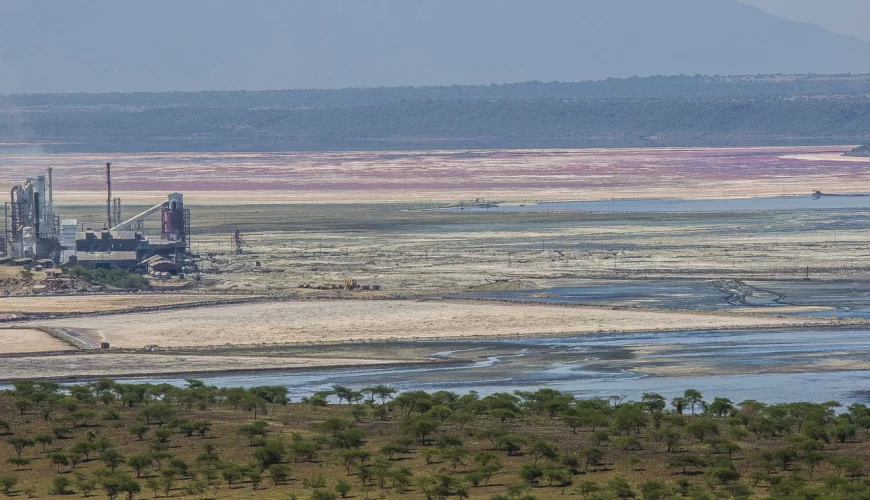
10. Lake Natron: Stark Beauty and Flamingo Landscapes
Lake Natron is not a traditional safari destination, but it is one of Tanzania’s most visually striking landscapes.
The scenery is stark, open, and unusual. Salt flats, volcanic views, flamingos, and the dramatic presence of Ol Doinyo Lengai create a landscape that feels almost otherworldly.
Lake Natron works best for travelers who love photography, landscapes, walking, cultural encounters, and unusual places. It can add a powerful visual contrast to a northern Tanzania itinerary that includes Serengeti, Ngorongoro, or Tarangire.
This is not a destination for travelers who only want classic big-game viewing. It is for travelers who want to feel the drama of the land itself.
Diwaka Safaris planning note: Lake Natron is best included when the traveler wants scenery, photography, and a more adventurous route between major safari areas.

Hidden Safari Gems in Uganda
Uganda is often known for gorilla trekking, but its lesser-known parks and landscapes offer much more than primates. For travelers willing to move beyond the obvious, Uganda can feel beautifully varied.
11. Kidepo Valley National Park: Uganda’s Remote Frontier
Kidepo Valley National Park is one of Uganda’s most dramatic and remote safari destinations.
It lies far from the more common routes, which is exactly why it feels special. Open valleys, mountain backdrops, savannah wildlife, and a strong sense of isolation make Kidepo one of East Africa’s most underappreciated safari landscapes.
The park is ideal for travelers who want a wild, frontier-like safari atmosphere. It does not feel crowded or overly polished. It feels open, distant, and powerful.
Diwaka Safaris planning note: Kidepo is best for travelers with enough time and a desire for remoteness. It rewards those who see the journey itself as part of the experience.

12. Semuliki National Park: Forest, Birds, and a Different Uganda
Semuliki National Park offers a different kind of Uganda safari experience.
It is less about classic savannah wildlife and more about forest, birds, hot springs, and ecological variety. For travelers interested in nature beyond the obvious, Semuliki can feel like a quiet discovery.
This is a destination for birders, nature lovers, and guests who enjoy slower, more specialized travel. It can add depth to a Uganda itinerary by showing a side of the country many travelers miss.
Diwaka Safaris planning note: Semuliki is best chosen for travelers with specific nature interests. It is not a replacement for Uganda’s better-known parks, but it can make a journey feel richer and more unusual.

13. Lake Mburo National Park: Small, Scenic, and Easy to Love
Lake Mburo National Park is one of Uganda’s most accessible and underrated safari stops.
It is smaller and quieter than many famous African parks, but that is part of its charm. Rolling landscapes, lakes, acacia woodland, zebras, antelope, birdlife, and peaceful scenery make it a gentle and rewarding addition to a Uganda route.
Lake Mburo works especially well as a stop between larger destinations. It gives travelers a softer safari rhythm and a chance to enjoy nature without the intensity of longer game-drive days.
Diwaka Safaris planning note: Lake Mburo is useful for travelers who want to break up longer Uganda journeys while still adding a meaningful wildlife and landscape experience.

14. Mgahinga National Park: Small Park, Powerful Setting
Mgahinga National Park may be small, but it has a powerful landscape.
Volcanic slopes, rainforest, golden monkeys, gorilla trekking opportunities, and borderland scenery give Mgahinga a distinctive atmosphere. It feels intimate and dramatic at the same time.
Travelers often focus on Bwindi when planning Uganda gorilla trekking, but Mgahinga can be a rewarding option for those who want a different setting or a more compact rainforest experience.
Diwaka Safaris planning note: Mgahinga is a strong choice for travelers who want volcanic scenery and primates in a quieter, more concentrated setting.

Hidden Safari Gems in Rwanda
Rwanda is often associated with gorillas, but its quieter experiences deserve more attention. The country’s compact size makes it possible to combine wildlife, rainforests, savannahs, and culture into a smooth journey.
15. Nyungwe National Park: Rainforest Depth and Canopy Views
Nyungwe National Park is one of Rwanda’s most rewarding hidden gems for travelers who love forests, primates, birds, and scenic walking.
It offers a completely different mood from the savannah. The air feels cooler. The forest is layered and alive with sound. Trails pass through dense greenery, and the canopy experience gives travelers a rare perspective over one of Africa’s important rainforest landscapes.
Nyungwe is excellent for travelers who want Rwanda beyond gorillas. It pairs well with Volcanoes National Park, Akagera National Park, and Kigali.
Diwaka Safaris planning note: Nyungwe is best for travelers who enjoy walking, forests, primates, and a slower nature-focused journey.

16. Akagera National Park: Rwanda’s Savannah Surprise
Akagera National Park adds a completely different dimension to Rwanda.
Many travelers come to Rwanda for gorillas and rainforest, but Akagera offers savannah, lakes, wetlands, wildlife viewing, and a more classic safari feel. It brings variety to a Rwanda itinerary and shows that the country is not only about mountain forests.
Akagera is especially useful for travelers who want to combine gorilla trekking with game drives without adding another country. It can also work well for guests with limited time who want a compact but varied safari route.
Diwaka Safaris planning note: Akagera is a strong addition when a traveler wants Rwanda to feel more complete: gorillas, culture, rainforest, and savannah within one journey.

Hidden Safari Gems in Zambia
Zambia is one of Africa’s great safari countries for travelers who want wilderness, high-quality guiding, river landscapes, and a more adventurous safari experience.
17. Liuwa Plain National Park: Wide Horizons and Wild Beauty
Liuwa Plain National Park is one of Zambia’s most atmospheric safari destinations.
The landscape feels open and expansive, with wide skies, grasslands, seasonal wildlife movement, and a sense of solitude that is difficult to find in busier safari regions.
Liuwa is not a standard first-safari choice. That is part of its appeal. It is better suited to travelers who want something unusual, remote, and deeply tied to the rhythm of the landscape.
Diwaka Safaris planning note: Liuwa Plain is ideal for travelers who want space, solitude, and a safari that feels far from the obvious route.

18. Kafue National Park: Zambia’s Vast Underrated Wilderness
Kafue National Park is one of Africa’s largest and most underrated safari areas.
Its scale is part of the attraction. Kafue offers rivers, plains, woodland, wetlands, and varied wildlife experiences across a huge landscape. It is not as instantly famous as some other African parks, but for travelers who appreciate space and diversity, it can be deeply rewarding.
Kafue suits guests who want a slower, more spacious safari and are interested in a less crowded alternative to better-known destinations.
Diwaka Safaris planning note: Kafue is best for travelers who want a Zambia safari with depth, variety, and a real sense of wilderness.

19. Lower Zambezi National Park: River-Based Wilderness
Lower Zambezi National Park is one of Zambia’s most beautiful safari regions.
The Zambezi River shapes the entire experience. Wildlife, water, light, and landscape come together in a way that feels calm and powerful. Depending on the itinerary, travelers may enjoy game drives, river scenery, boating, canoe-style experiences, and relaxed lodge settings near the water.
Lower Zambezi is ideal for travelers who want their safari to feel scenic, peaceful, and connected to the river.
It also pairs naturally with Victoria Falls, creating a journey that combines wilderness and one of Africa’s most dramatic natural landmarks.
Diwaka Safaris planning note: Lower Zambezi is perfect for travelers who want water, wildlife, and a quieter luxury wilderness mood without following the most common safari path.

How to Choose the Right Hidden Safari Gem
Choosing a hidden safari gem should begin with the kind of wilderness you want.
If you want open savannah without the busiest crowds, Laikipia, Meru, Ruaha, Kidepo, or Kafue may appeal to you. If you want forest, primates, and birds, Kakamega, Semuliki, Mgahinga, Nyungwe, or Mahale may be stronger choices. If you want water and river scenery, Nyerere, Lower Zambezi, Lake Mburo, or Akagera can add a different rhythm. If you want raw remoteness, Katavi, Liuwa Plain, Kidepo, or Ruaha may be more rewarding.
The right choice also depends on how adventurous you want the journey to feel. Some hidden gems are easy to add to a classic route. Others require more days, careful logistics, and a traveler who enjoys remoteness as part of the experience.
Diwaka Safaris planning note: do not choose a hidden gem solely because it is lesser-known. Choose it because its landscape, wildlife, mood, and journey style match what you want from your safari.
Hidden Safari Gems by Experience Type
|
Experience Type |
Hidden Safari Gems to Consider |
|
Quiet open wilderness |
Laikipia, Meru, Ruaha, Kidepo, Kafue |
|
Remote adventure |
Katavi, Liuwa Plain, Kidepo, Mahale |
|
Forest and primates |
Mahale, Kakamega, Semuliki, Mgahinga, Nyungwe |
|
River and water scenery |
Nyerere, Lower Zambezi, Lake Mburo, Akagera |
|
Kenya beyond the obvious |
Laikipia, Meru, Tsavo, Shaba, Buffalo Springs |
|
Tanzania beyond the Northern Circuit |
Ruaha, Nyerere, Katavi, Mahale, Lake Natron |
|
Rwanda beyond gorillas |
Nyungwe, Akagera, Kigali |
|
Zambia wilderness |
Liuwa Plain, Kafue, Lower Zambezi, Victoria Falls |
Mistakes to Avoid When Choosing Hidden Safari Destinations
Choosing Remote Places Without Enough Time
Some quieter parks need more days to work well. If a destination is remote, the journey should not feel rushed. Give the route enough breathing room.
Expecting Famous-Park Wildlife Density Everywhere
Hidden gems are not always about seeing the most animals in the shortest time. Their value may come from space, scenery, guiding, birdlife, remoteness, or a more private atmosphere.
Ignoring Access and Logistics
Some under-the-radar destinations require more careful routing. Flights, road transfers, lodge availability, and seasonal access should all be considered before adding them to an itinerary.
Choosing “Hidden” Only for the Label
A place being less famous does not automatically make it the right choice. The destination should match the traveler’s interests, comfort level, and expectations.
Trying to Combine Too Many Unusual Places
A safari built solely around remote destinations can become tiring if not well planned. Sometimes the best journey combines one classic anchor destination with one or two quieter gems.
Frequently Asked Questions About Hidden Safari Gems in Africa
What are hidden safari gems in Africa?
Hidden safari gems are quieter or less obvious safari destinations that offer rewarding wildlife, scenery, culture, or wilderness experiences without the same level of attention as the most famous parks. Examples include Laikipia, Meru, Ruaha, Nyerere, Kidepo Valley, Nyungwe, Liuwa Plain, and Lower Zambezi.
Are hidden safari gems good for first-time travelers?
Some are, but not all. First-time travelers may enjoy easier hidden gems such as Laikipia, Tsavo, Lake Mburo, Akagera, or Lower Zambezi when combined with better-known parks. More remote places such as Katavi, Mahale, Kidepo, or Liuwa Plain may suit returning safari travelers better.
Which hidden safari gems are best in Kenya?
Kenya’s hidden safari gems include Laikipia, Meru National Park, Shaba Game Reserve, Buffalo Springs, Tsavo East, Tsavo West, Kakamega Forest, Lake Baringo, Ruma National Park, and Saiwa Swamp. The best choice depends on whether the traveler wants wildlife, landscapes, birds, culture, or a safari-and-coast route.
Which hidden safari gems are best in Tanzania?
Tanzania’s quieter safari gems include Ruaha National Park, Nyerere National Park, Katavi National Park, Mahale Mountains National Park, Gombe National Park, Lake Natron, Mkomazi National Park, Mikumi National Park, and Saadani National Park. These destinations are especially useful for travelers who want to explore Tanzania beyond the Serengeti and the Ngorongoro Crater.
Where can I go in Uganda beyond gorilla trekking?
Uganda offers several rewarding places beyond gorilla trekking, including Kidepo Valley National Park, Semuliki National Park, Lake Mburo National Park, Kibale National Park, Queen Elizabeth National Park, Murchison Falls National Park, Jinja, Entebbe, and Kampala. For hidden-gem style travel, Kidepo, Semuliki, Lake Mburo, and Mgahinga are especially interesting.
Is Rwanda worth visiting beyond Volcanoes National Park?
Yes. Rwanda is worth exploring beyond gorilla trekking. Nyungwe National Park offers rainforest, chimpanzees, canopy experiences, and birdlife, while Akagera National Park adds savannah wildlife and lake scenery. Kigali also gives travelers cultural context and a smooth city experience.
Are hidden safari destinations cheaper than famous parks?
Not always. Some quieter destinations can be more affordable, while remote parks may cost more due to access, flights, or limited lodging options. Hidden gems should be chosen for the experience they offer, not only because they are less famous.
Are hidden safari gems less crowded?
Many hidden safari gems have fewer visitors than famous parks, but visitor numbers depend on the season, access, lodge density, and specific locations. The main advantage is that these destinations often feel more spacious and less predictable than heavily visited safari areas.
What is the best hidden safari gem for photographers?
Photographers may enjoy Laikipia, Meru, Tsavo, Ruaha, Lake Natron, Mahale, Nyungwe, Kidepo, and Lower Zambezi depending on the desired style. Some offer wildlife, while others offer landscapes, forests, water, or dramatic light.
How can Diwaka Safaris help plan a hidden-gem safari?
Diwaka Safaris can help match quieter safari destinations with the right route, season, lodge style, travel pace, and number of days. The team can also combine famous safari areas with lesser-known gems so the journey feels balanced and rewarding.
Final Thoughts
Africa’s most famous safari destinations are unforgettable, but they are not the whole story.
Beyond the classic routes are quieter parks, remote valleys, forest trails, river landscapes, desert edges, and wilderness areas that still feel deeply personal. These places do not always shout for attention. They reward travelers who are willing to look a little further.
A hidden safari gem is not about avoiding famous places completely. It is about adding depth, contrast, and discovery to the journey.
For some travelers, that may mean Laikipia after the Mara, Ruaha instead of the usual northern route, Nyungwe after gorillas, Kidepo for remote Uganda, or Lower Zambezi for a river-based wilderness experience.
The best hidden-gem safari feels spacious, thoughtful, and a little unexpected.
If you want a safari beyond the obvious route, share the kind of wilderness you are looking for with Diwaka Safaris — quiet parks, remote lodges, primates, photography, walking safaris, river landscapes, or beach combinations. The team can recommend places that still feel refreshingly uncrowded and shape them into a journey that feels personal from beginning to end.